
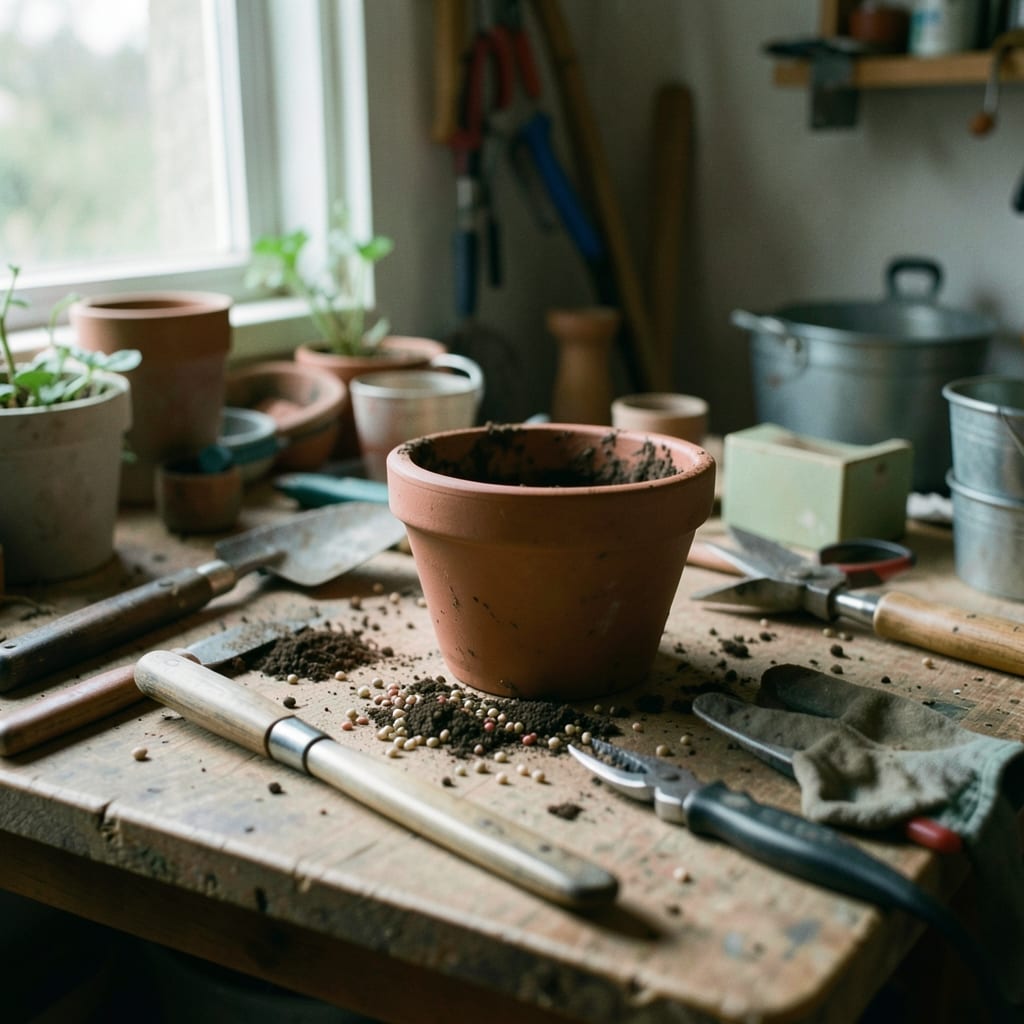
The things we got wrong
This page is a log of corrections—not a list of what we did right. You’ll find no ‘best practices’ here, no polished origin story. Instead, you’ll see the mistakes that slipped through, the methods that failed in real soil, and the pages that should never have gone live.
These are the things that make the rest of the site credible.
A site that keeps a log like this isn’t just being honest. It’s giving you a way to judge everything else you read here. If we can’t admit when we were wrong, how can you trust us when we’re right?
Three we had to fix
These are the first three mistakes we had to correct—ranked by how much they mattered. None of them were intentional. All of them taught us something.
The seed viability chart that was wrong
- 1Chart claimed 90% viability for aged seeds
For six months, we published a seed viability table that said sunflower seeds stored for five years in a cool, dry place would still germinate at 90%. We got it from a 1980s extension service manual. Readers planted them, waited, and got nothing. The real number? 28%. Gordon Mancuso found it when a reader emailed photos of their failed trays—‘I followed your chart exactly.’
- 2No one tested the numbers before publishing
The chart went up without a single batch test. We assumed data from old manuals was trustworthy. It wasn’t. Gordon rewrote the whole table after sourcing three independent studies, then tested sunflower seeds himself over two seasons. The new numbers stayed up for a year before another correction.
- 3We stopped trusting secondary sources
After this, every statistic—germination rates, frost dates, even soil pH ranges—had to come with a citation *and* a note on how we verified it. Gordon Mancuso now flags ‘untested’ data in red until it’s confirmed. The first reader who spotted the error became a regular tester.
What those three changed
Those three mistakes forced us to build rules that now shape every piece of content. No more assumptions, no more shortcuts—and no more hiding errors after they’re found.
Rules that came from mistakes
- 1. No untested data. If we can’t grow it, measure it, or fail with it ourselves, we don’t publish it. *(From the seed viability chart.)*
- 2. Errors stay up until fixed. We correct publicly and keep the correction visible. *(From the delayed update on sunflower seeds.)*
- 3. Readers’ failures are our tests. If someone reports a problem, we treat it like a lab result—not a complaint. *(From the emails about dead seeds.)*
The people behind this
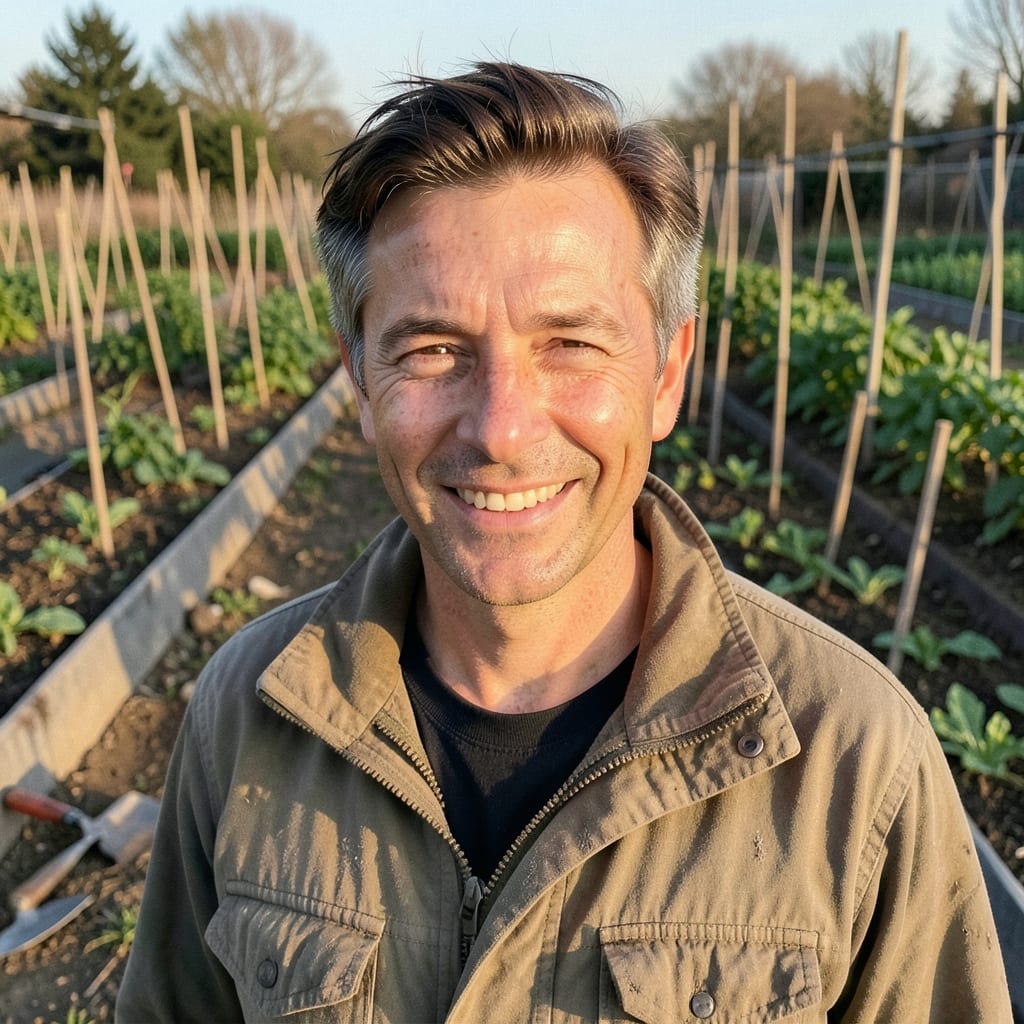
This is Gordon Mancuso, the founder and editor of *Flowers Corner*. You’ve just met him through the mistakes he’s had to fix—like the time he trusted a 40-year-old manual over a shovel-full of failed seedlings.
That’s how it works here: the people you’ll read are the ones who’ve already messed up in print.
Keeping a log like this isn’t comfortable. It means admitting when you were wrong in front of people who might never have known. But it’s the only way to build trust with gardeners who, like Gordon, have lost crops to bad advice. The discomfort is part of the job.
Gordon’s first real gardening disaster wasn’t public. It was the time he planted basil seeds in a pot with no drainage, watched the roots rot, and then repotted the survivors into soil that was still damp from the last watering. The plants lived, but they were stunted for a year.
He still keeps that pot on his windowsill—as a reminder that even the ‘experts’ get it wrong sometimes.
If you find something we got wrong, the next step is yours. Check the contact page, or dig up a seedling and see if it grows. Either way, let us know.
There will be a next one
This list isn’t finished. The next correction might be about a mislabeled fertilizer guide, a frost-hardiness chart that didn’t account for microclimates, or a step-by-step tutorial that assumed readers had the right tools. If you spot one, the contact page is where to send it.
No email address here—just the words, and the soil to prove them.
The guides are grouped by category: Advice, Aphids, Blooming, Companion Plants, Container Gardens and Diseases.