
Blooming
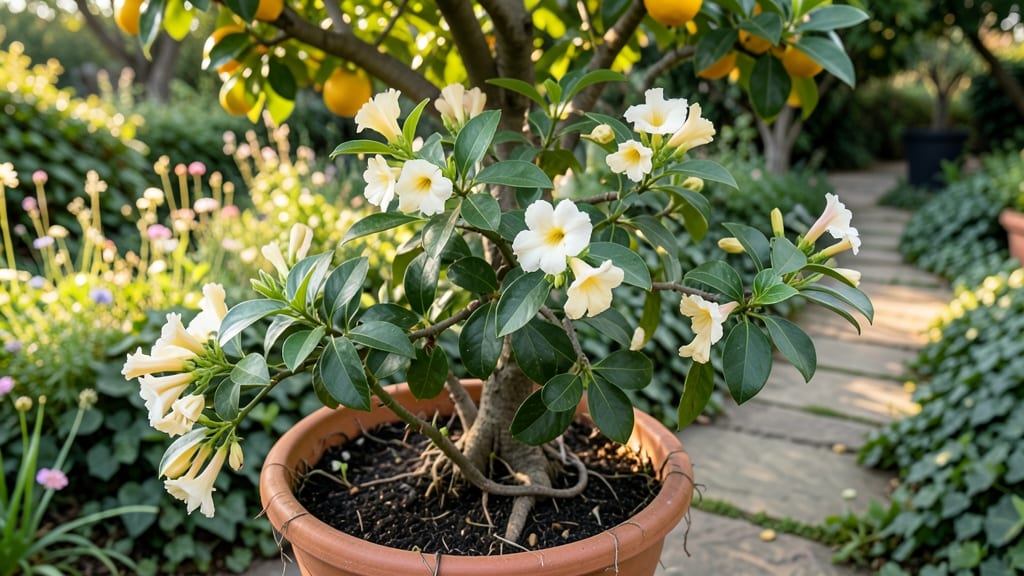
Jasmine flowers bloom in a fragrance-filled cycle that can stretch from spring through fall — and with the right care, even into winter for some varieties.
Imagine waking up to the sweetest scent of jasmine drifting through your garden—year after year. But did you know its blooming cycle isn’t just seasonal? With the right variety and care, jasmine can reward you with fragrance-packed blooms well beyond summer’s end.
In USDA Zone 6a, most jasmine varieties like Arabian or Pink jasmine burst into bloom around May, but winter jasmine varieties can start as early as March. The key to extending that blooming window? A few simple tricks like strategic pruning and the right sunlight balance.
Below, I’ll break down the exact timing for your region, how to coax extra blooms, and the seasonal care routine that keeps your jasmine vine thriving — so you can enjoy its signature scent for months on end.
Jasmine bloom seasons by variety: when and how long they flower
Jasmine isn’t just one plant—it’s a family of fragrant climbers with distinct bloom seasons. While most varieties shine in summer, some like Winter Jasmine defy expectations by flowering in late winter. Understanding these timelines helps you plan trellises, fragrance schedules, and even indoor arrangements for year-round enjoyment.
Climate plays a huge role in bloom timing. Coastal regions often see earlier blooms due to milder winters, while inland areas may delay flowering until late spring. Even within the same variety, a warmer microclimate near a south-facing wall can trigger blooms weeks ahead of schedule.
Here’s how the four most popular jasmine varieties stack up in bloom season, peak fragrance, and duration:
Arabian Jasmine steals the show with its intoxicating nighttime perfume, but its blooms only last 4–6 weeks unless you prune strategically. I’ve found that cutting back 1/3 of old growth after flowering encourages a second, lighter bloom in fall—though the fragrance won’t be as potent.
For Pink Jasmine, timing is everything. Plant in USDA Zone 7 or warmer, and you’ll get reliable blooms by Memorial Day. In cooler zones, delay planting until after the last frost to avoid winter dieback.
The key to extending its season? Deadheading spent blooms and feeding with low-nitrogen fertilizer every 6 weeks.
Star Jasmine is the marathon runner of the group, with blooms stretching from midsummer to early fall. Its milder scent makes it perfect for daytime gardens, but don’t overlook its drought tolerance. Once established, it thrives on neglect—just water deeply every 10–14 days during dry spells.
Winter Jasmine is the early bird of the bunch, often blooming before spring leaves appear. Its bright yellow flowers may lack Arabian Jasmine’s intensity, but they’re a pollinator magnet and add cheerful color to gray winter days. Prune it right after flowering to shape vines and encourage next year’s blooms.
To extend any jasmine’s bloom season, focus on three pruning techniques:
- Renewal pruning in early spring to remove dead wood,
- Light pinching of new growth to encourage bushiness, and
- Post-bloom trimming to redirect energy to new flowers.
I’ve seen Arabian Jasmine produce a second flush of blooms in fall with this method!
Pro tip: If your jasmine blooms fade too quickly, check the light conditions. Too much direct sun can scorch flowers, while too little shade reduces fragrance. Aim for morning sun and afternoon shade—this sweet spot maximizes both bloom duration and scent intensity.
🌸
How to trigger earlier or longer jasmine blooms naturally
Jasmine vines naturally bloom in summer and early fall, but with the right techniques, you can extend their fragrance season by 2-3 months. The key lies in understanding their growth patterns and using organic methods to stimulate blooming.
Whether you're dealing with Arabian jasmine or Star jasmine, these strategies will help you unlock a longer, more abundant display of those intoxicating flowers.
Most gardeners miss the fact that jasmine responds to pruning cues and nutrient timing like other flowering plants. By adjusting when and how you prune, along with optimizing sunlight and soil health, you can trick your jasmine into blooming earlier in spring or later into autumn.
Let’s explore the most effective, all-natural methods to achieve this without chemicals or harsh interventions.
- 🌱 Prune in late winter (Jan-Feb) to remove dead or weak growth and encourage new spring blooms.
- ☀️ Maximize morning sun (4-6 hours) while providing afternoon shade to prevent stress.
- 💧 Water deeply every 3-5 days during peak blooming months to maintain moisture consistency.
- 🌿 Amend soil with compost or aged manure in early spring to boost nutrient availability.
- ✂️ Lightly trim after each blooming cycle to promote denser growth for next season.
One of the simplest ways to encourage earlier blooms is by pruning in late winter. This isn’t just about shaping your plant—it’s about sending a signal to the vine that it’s time to wake up and prepare for growth.
Focus on removing any dead or crossing branches while leaving healthy buds intact. For Star jasmine, which blooms on new wood, this step is crucial for stimulating fresh growth and flowers.
Sunlight plays a critical role in jasmine’s blooming cycle. While these vines thrive in partial shade, they need enough light to produce flowers. Place your jasmine where it gets morning sun (which is gentler) and afternoon shade (to prevent heat stress).
If you notice your vine struggling to bloom, try moving it to a slightly sunnier spot—just avoid full, hot afternoon sun, which can burn the leaves and reduce flowering.
Soil health is another often-overlooked factor. Jasmine prefers well-draining, slightly acidic soil (pH 6.0-7.0). Before the growing season, mix in compost or aged manure to improve fertility. Avoid heavy fertilizers, as they can lead to leafy growth at the expense of flowers.
Instead, opt for a balanced organic fertilizer (like 5-10-10) applied in early spring to support both foliage and blooms.
Consistent watering is key to maintaining blooms throughout the season. Jasmine vines need deep, infrequent watering—about 1-2 inches per week—to encourage strong root development. Water in the early morning to allow foliage to dry quickly, reducing the risk of fungal diseases that can stress the plant.
During hot summers, you may need to water every 2-3 days, but always check the soil first to avoid overwatering.
Finally, don’t forget to harvest spent blooms regularly. Pinching back faded flowers encourages the vine to produce more blooms, extending the season. For Arabian jasmine, which blooms on old wood, this practice is especially effective.
With these natural techniques, you’ll enjoy your jasmine’s intoxicating fragrance for months longer than usual—without any harsh interventions. 🌸