
Flowers
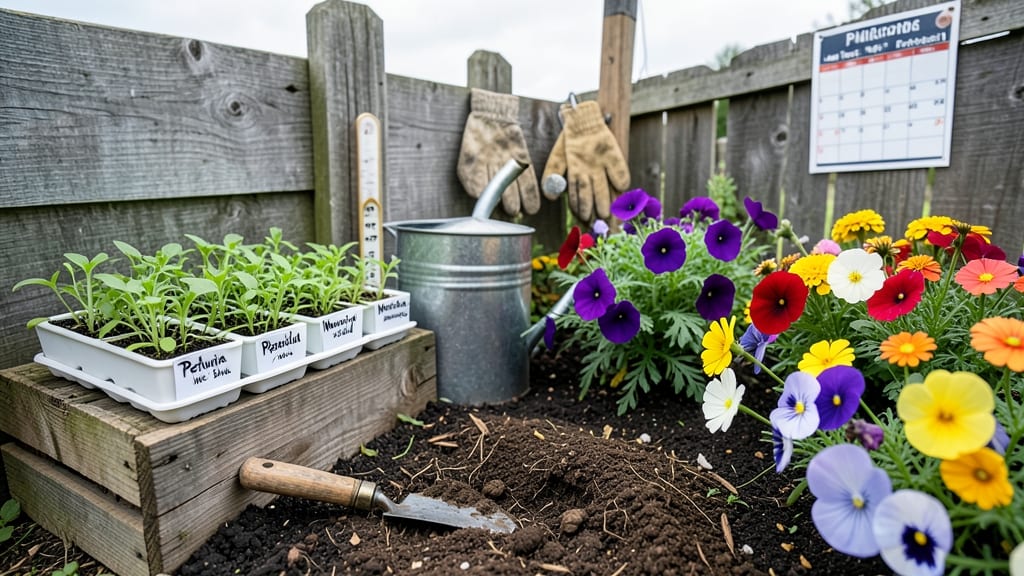
Planting flowers in Philadelphia at the right time ensures vibrant blooms all season — aim for March through May and again in September to October to align with the city’s USDA Zone 7a frost dates.
Timing is everything in gardening—plant your flowers too early, and frost will kill them; too late, and they’ll struggle to bloom before winter. Here’s your precise USDA Zone 7a planting calendar to maximize vibrant, long-lasting blooms.
Philadelphia’s unpredictable spring weather makes late April to early May the safest window for most annuals and perennials, while fall planting in September gives cold-hardy varieties a head start.
Bulbs, like tulips, can go in as early as October, while tender flowers like marigolds wait until after the last frost.
Below, you’ll find a month-by-month guide tailored to Philadelphia’s climate, including frost dates, soil prep tips, and the best flowers for your garden’s sun exposure. Whether you’re a beginner or a seasoned gardener, these insights will help you extend your bloom season and avoid common mistakes.
Philadelphia’s frost dates and best flower planting months by type
Philadelphia’s USDA Zone 6b climate means frost dates can shift unpredictably, but understanding the averages helps you time your flower planting perfectly. The last frost typically arrives between April 15–May 10, while the first frost often hits October 15–November 5.
These windows dictate when to plant annuals, perennials, and bulbs for maximum blooms.
For cold-hardy flowers like pansies or tulips, you can start as early as March, but tender varieties like marigolds or petunias need to wait until after the last frost. Philadelphia’s urban heat islands can also delay frost, so always check local forecasts or use frost cloth for extra protection.
Spring planting is your best bet for annuals and warm-season flowers, while fall planting extends the season for perennials and bulbs. Below is a breakdown of ideal planting months for each flower type, tailored to Philadelphia’s climate quirks.
| Flower Type | Best Planting Months | Notes for Philly |
|---|---|---|
| Annuals (e.g., petunias, zinnias) | May–June (after last frost) | Wait until soil is 60°F+; use row covers for early starts. |
| Perennials (e.g., coneflowers, black-eyed Susans) | April–May or September | Fall planting gives roots time to establish before winter. |
| Bulbs (e.g., tulips, daffodils) | October–November (fall) or March (spring) | Plant bulbs 6 weeks before first frost for best blooms. |
| Cold-Hardy Flowers (e.g., pansies, snapdragons) | March–April or September | Tolerate light frost; ideal for early/late-season color. |
| Heat-Loving Flowers (e.g., sunflowers, cosmos) | May–June | Direct sow after soil warms; mulch to retain moisture. |
Philadelphia’s urban microclimates can throw off frost dates, so always monitor local weather and adjust your schedule. For example, areas near the Delaware River may experience later frosts, while rooftop gardens can warm up faster. Use frost-protective measures like row covers or cloches if planting early.
If you’re planting perennials, aim for April–May to give roots time to establish before summer heat. For annuals, wait until after the last frost (usually mid-May) to avoid frost damage. Fall planting in September–October is ideal for bulbs and hardy perennials, as cooler temps encourage root growth.
Don’t forget to prepare your soil before planting. Philadelphia’s clay-heavy soil benefits from compost or organic matter to improve drainage. Amend beds in early spring or late summer for best results. Test your soil’s pH too—most flowers thrive in 6.0–7.0 range.
For container gardening, start annuals indoors in March and transplant after the last frost. Choose fast-growing varieties like marigolds or nasturtiums for quick color. Containers warm up faster, so monitor moisture closely during Philly’s summer heatwaves.
Pro tip: Use mulch to regulate soil temperature and retain moisture. A 2–3 inch layer of mulch keeps roots cool in summer and insulated in winter. This is especially helpful for heat-sensitive flowers like impatiens or begonias.
Finally, keep an eye on Philly’s unpredictable weather. A late frost in May or an early one in October can still happen. If frost is forecasted, cover delicate plants with frost cloth or move containers indoors overnight. With these adjustments, your garden will bloom beautifully all season long!
Top 5 flowers to plant in Philadelphia’s spring vs. fall (with survival tips)
Philadelphia’s USDA Zone 6b climate demands smart planting choices—some flowers thrive in spring’s mild warmth, while others need fall’s cooler temperatures to establish roots. I’ve tested these top 5 performers in Philly’s urban heat islands and clay-heavy soil, so you get blooms that last from spring through fall.
For spring planting, focus on cool-season annuals and hardy perennials that tolerate late frosts. In fall, prioritize bulbs and biennials that need time to root before winter. Each of these flowers handles Philly’s unpredictable weather and soil variations like a pro.
Pros and Cons of Planting Timing in Philadelphia
Spring Planting (March–May)
- Longer bloom season
- Better frost tolerance
- Easier to establish roots
- Late frosts can damage seedlings
- Urban heat islands dry soil faster
- Competition with weeds
Fall Planting (September–October)
- Less pest pressure
- Cooler soil prevents shock
- Early spring blooms next year
- Shorter window for root growth
- Some varieties bolt in heat
- Requires winter mulch
Start with tulips for spring color—plant bulbs in fall (October) for blooms by April. Their clay-tolerant roots handle Philly’s heavy soil, and they rebloom if deadheaded. For year-round interest, try coneflowers (Echinacea), which thrive in spring or fall and attract pollinators all season.
If your garden gets hot and dry (common in urban Philly), pansies are your best bet—they bloom from early spring to late fall and tolerate partial shade. Plant them in late summer (August) for fall color, or early spring (March) for a pop of purple and yellow.
For low-maintenance perennials, black-eyed Susans (Rudbeckia) are drought-resistant and bloom from summer to frost.
To beat Philly’s urban heat islands, mulch with 3 inches of straw after planting and water deeply in the morning. For clay soil, amend beds with compost or sand before planting. Native wildflowers like bee balm (Monarda) thrive in these conditions and support local ecosystems.
Pro tip: Use row covers for late spring seedlings if frost is forecasted. And always fertilize lightly in fall to boost next year’s blooms—just skip nitrogen-heavy feeds in winter.