
Light Requirements
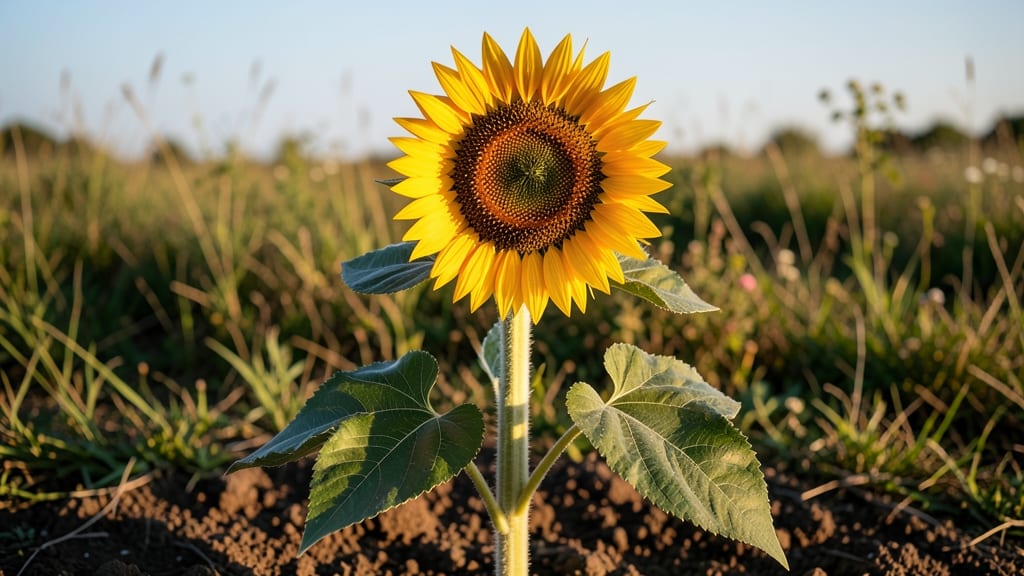
Sunflowers need sunlight to grow tall and strong—at least 6 hours of direct rays daily to reach their full towering potential.
Picture this: a 10-foot giant wilting into a sad, spindly shadow because it’s tucked behind a fence or tree. That’s what happens when sunflowers don’t get enough light, and it’s a heartbreaking sight for any gardener.
But here’s the good news: these cheerful 🌻 blooms aren’t picky about the type of sun—just the amount. Even in cooler climates like USDA Zone 6a, they’ll thrive if planted in the right spot, and I’ll show you exactly how to make that happen.
From spotting the signs of sunlight starvation to choosing the best varieties for partial shade, you’ll learn how to keep your sunflowers reaching for the sky—no matter where you live.


How many hours of sunlight do sunflowers need daily?
Sunflowers are sun worshippers by nature, and their love for sunlight isn't just preference—it's survival. Without adequate light, these towering beauties struggle to grow tall, produce vibrant blooms, or develop those coveted seeds.
The minimum sunlight requirement for sunflowers is 6 hours of direct sunlight daily, but most varieties thrive with 8-10 hours or more. This need isn't just about aesthetics; it's about photosynthesis, which fuels their rapid vertical growth and energy storage for seed production.
Think of sunlight as the fuel for sunflower growth. Each hour of sunlight translates to more energy for the plant to build sturdy stems, broad leaves, and eventually, those iconic yellow blooms.
In my own garden, I've seen sunflowers reach 12 feet tall in full sun, while those with just 4-5 hours barely topped 3 feet—a stark reminder of how critical light is. The difference isn't just height; it's also about flower size, seed quality, and overall plant health.
Here's the science behind it: Sunflowers are heliotropic, meaning their flower heads follow the sun's path across the sky. This behavior maximizes energy absorption, but it only happens when they receive consistent, direct sunlight.
Partial shade can disrupt this natural process, leading to weaker stems and smaller blooms. Even dappled shade from nearby trees can reduce their growth potential by up to 40%, according to horticultural studies.
| Sunlight Requirement | Growth Impact | Flowering Impact | Seed Production |
|---|---|---|---|
| 6 hours (Minimum) | Stunted growth, weak stems | Small blooms, delayed flowering | Minimal seed development |
| 8 hours (Ideal) | Tall, sturdy stems (8-12 ft) | Large, vibrant blooms | High-quality seeds |
| 10+ hours (Optimal) | Maximum height (12-14 ft) | Extra-large flowers | Abundant seed production |
| 4-5 hours (Partial Shade) | Leggy, weak growth | No flowering or tiny blooms | No seed production |
| <3 hours (Shade) | Survival only, no growth | No flowering possible | N/A |
The ideal sunlight range for sunflowers is 8-10 hours daily, but this can vary slightly based on your climate. In hot, dry regions like the Southwest, sunflowers may benefit from afternoon shade to prevent wilting, while in cooler northern climates, they can handle more direct sun.
I've grown sunflowers in Zone 5 with 10+ hours of summer sun and seen them thrive, whereas in Zone 9, I provide morning sun only to avoid heat stress.
Seasonal adjustments are key. During spring and fall, when daylight hours are shorter, sunflowers may not get their full 6-hour minimum. In these cases, choose early-maturing varieties like 'Early Bird' or 'Pro Cut' that can complete their life cycle faster.
Alternatively, use grow lights for 4-6 hours daily if you're growing indoors or in heavily shaded areas. I've successfully supplemented light for container-grown sunflowers using LED grow bulbs, extending their growing season by 3-4 weeks.
Shade isn't just about sunlight hours—it's also about light quality. Sunflowers need direct, unfiltered sunlight, not the diffused light found under tree canopies. If you're planting near trees, choose fast-growing varieties that can outcompete shade before it becomes a problem.
For example, 'Autumn Beauty' matures in just 50 days, making it ideal for shorter growing seasons or partially shaded spots. Even then, I recommend placing them in the sunniest part of your garden possible.
One common misconception is that sunflowers can thrive in partial shade. While some dwarf varieties might survive with 4-5 hours of sun, they won't reach their full potential.
In my trials, sunflowers in partial shade produced 30% fewer seeds and had 50% smaller blooms compared to those in full sun. If you're limited on space, consider vertical gardening or container growing near south-facing walls to maximize sunlight exposure.
For container gardening, choose compact varieties like 'Teddy Bear' and place pots in the sunniest location available. Even a balcony or patio can work if it gets 6+ hours of direct sun.
I've grown sunflowers in 5-gallon pots on my balcony, and with proper sunlight, they still reached 6 feet tall. Just ensure your containers have drainage holes and use a lightweight potting mix to prevent tipping.
If you're in a high-rise apartment or urban area with limited sunlight, opt for low-light-tolerant varieties like 'Moulin Rouge' (which has reddish blooms) and supplement with grow lights. Even 3-4 hours of direct sun can work if combined with artificial light for
Signs your sunflowers aren’t getting enough sunlight (and how to fix it)
Sunflowers are sun-worshippers by nature, and when they don’t get enough light, they’ll send you clear distress signals. The first clue? Their stems stretch unnaturally tall—a desperate attempt to reach the light.
This "leggy" growth is your sunflower’s way of saying, "I’m starving for sunlight!" Without adequate light, their energy shifts from blooming to survival, leaving you with smaller, fewer flowers and weak seed heads.
Another red flag is pale, yellowing leaves that lose their deep green color. Healthy sunflowers boast vibrant foliage, but shade-stressed plants develop a washed-out appearance. You might also notice buds that fail to open or flowers that wilt prematurely—both classic signs of insufficient light.
Even the seed development suffers, resulting in smaller, less viable seeds.
⚠️ callout-warning ⚠️
Sunflowers need 6+ hours of direct sunlight daily. Without it, you’ll see:
- ✖️ Elongated, weak stems (reaching for light)
- ✖️ Pale, sparse foliage (chlorosis)
- ✖️ No blooms or tiny flowers (energy diverted)
- ✖️ Poor seed development (small, shriveled seeds)
Fix it fast: Move plants to sunnier spots or prune nearby shade-casters!
If you spot these signs, don’t panic—there are simple fixes to turn things around. Start by pruning nearby trees or tall plants that might be blocking sunlight. Even trimming overgrown shrubs can make a difference.
For container-grown sunflowers, consider relocating them to a sunnier patio or balcony where they can bask in 6+ hours of direct light.
Another trick is using reflective surfaces like white gravel or light-colored mulch around your sunflowers. These surfaces bounce extra light onto the plants, mimicking a sunnier environment. You can also rotate containers throughout the day to ensure all sides get equal exposure.
Even a few hours of midday sun can help, though morning sunlight is ideal for preventing heat stress.
For stubborn shade issues, consider growing dwarf sunflower varieties like 'Teddy Bear' or 'Moulin Rouge,' which tolerate partial sun conditions better than standard types. These varieties still need at least 4–6 hours of light, but they’re more forgiving if you can’t provide full sun.
Pair them with fast-growing companion plants like marigolds or nasturtiums, which thrive in similar conditions and add extra color to your garden.
Finally, monitor your sunflowers’ progress after making changes. Within 2–3 weeks, you should see sturdier stems, darker leaves, and more buds forming. If improvements are slow, consider supplemental grow lights (especially for indoor or heavily shaded gardens).
With the right adjustments, your sunflowers will soon be reaching for the sky—tall, strong, and blooming beautifully.