
Plants
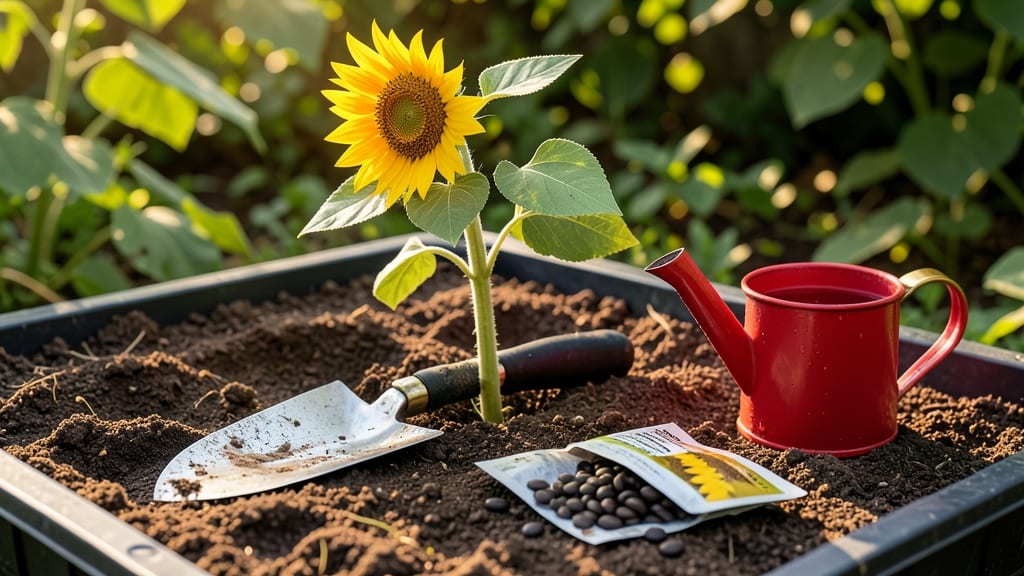
The best time to plant sunflower seeds is after your last frost when soil reaches at least 55°F—typically April to May in most of the U.S.
Picture this: you’ve waited all winter for spring, and now your sunflower seeds are ready to go in the ground. But if you plant them too early, the cold soil can slow germination to a crawl, leaving you with leggy, weak stems that never reach their full 10-foot glory.
The key? Warm soil and a little patience.
Sunflowers are forgiving, but timing matters. Plant too late, and you might miss the July harvest window when those golden blooms are at their peak. Too soon, and frost can set them back.
I’ll show you how to check soil temperature, pick the right variety for your zone, and even squeeze in a second planting for continuous blooms all summer.
Whether you’re growing dwarf varieties for containers or giant sunflowers for shade, these tricks will help you get the most out of your 🌻 patch—fast, easy, and with fewer disappointments.

Optimal planting windows by climate zone: when to plant sunflower seeds for maximum growth
Sunflowers thrive when planted at the right time, but their ideal window varies dramatically across USDA climate zones. In zones 3-5, where frosts linger late into spring, I wait until 2-3 weeks after your last frost date—usually mid-May—to ensure soil stays above 55°F for germination.
Meanwhile, gardeners in zones 6-10 enjoy longer growing seasons and can start as early as late March to early April, depending on local conditions.
For short-season zones (3-5), focus on fast-maturing varieties (50-60 days) like 'Teddy Bear' or 'Moulin Rouge' to avoid fall frosts. In long-season zones (7-10), you can even plant a second crop in late summer (August-September) for late-season blooms.
The key is matching your local frost dates with the sunflower's maturity timeline.
Here’s how to adjust your planting strategy based on your zone—plus soil temperature targets to ensure fast, even germination.
| USDA Zone | Best Planting Window | Soil Temp Target (°F) | Frost Risk | Method |
|---|---|---|---|---|
| 3-5 | Mid-May to early June (after last frost) | 55-65°F | High (late spring frosts) | Direct sow only |
| 6-7 | Late April to mid-May | 60-70°F | Moderate (occasional late frosts) | Direct sow or transplant |
| 8-9 | March to early April (spring) + August (fall) | 65-80°F | Low (minimal frost risk) | Direct sow or transplant |
| 10 | February-March + September-October | 70-85°F | None | Direct sow or transplant |
In zones 3-5, I always test soil temperature with a soil thermometer before planting—sunflower seeds won’t germinate below 55°F. If your soil is still cold, use black plastic mulch or row covers to warm it faster.
For zones 6-7, I start seeds indoors 4-6 weeks before the last frost for a head start, then transplant once soil reaches 60°F.
Gardeners in zones 8-10 have the luxury of two planting windows: spring and late summer. For a fall crop, sow seeds in August—they’ll mature before winter arrives. Just avoid planting too late, or your sunflowers won’t reach full height before frost.
I once tried planting in October in zone 9, and the stems barely topped 3 feet!
For direct sowing, plant seeds 1 inch deep and 6 inches apart in rows 2 feet apart to allow for airflow. If transplanting, harden off seedlings for 7-10 days before moving them outdoors.
I’ve found that transplanted sunflowers in zones 6-10 often outperform direct-sown ones because they avoid pest pressure from soilborne diseases.
One pro trick I swear by? Succession planting every 2 weeks in zones with long growing seasons. This ensures a continuous bloom from summer through fall.
In zone 7, I plant my first batch in late April, then follow up in May and June—by August, I’m harvesting seeds from multiple batches!
Don’t forget to monitor local microclimates. A south-facing slope warms up faster than a shady spot, so adjust your planting date accordingly. If you’re unsure about frost dates, check your local cooperative extension service—they provide hyper-local planting guides based on recent weather patterns.
In my zone 6 garden, I’ve seen frost creep back in early June some years, so I always keep a frost cloth handy.
Finally, adjust for your sunflower variety. Dwarf varieties like 'Sunspot' mature in 50-
Soil temperature secrets: how to test and prepare for faster sunflower germination
Sunflower seeds need warm soil to germinate quickly, and testing your soil temperature is the first step to success. Cold soil below 55°F can delay sprouting for weeks, leaving your sunflowers vulnerable to pests and disease.
The ideal range for germination is between 55°F and 85°F, with faster results in the 70°F to 80°F zone. Without checking, you might plant too early and end up with weak, leggy seedlings that struggle to stand tall.
Don’t worry if your soil is still chilly—there are simple ways to warm it up naturally. Whether you’re using a soil thermometer or a DIY trick, knowing your soil’s temperature helps you time your planting for the fastest, strongest growth.
I’ll walk you through the tools, tricks, and troubleshooting tips to get your sunflowers off to a flying start.
If you don’t have a soil thermometer, no problem! A simple DIY trick involves pressing your hand into the soil for 10 seconds. If it feels cool to the touch, your soil is likely below 60°F—time to warm it up.
For faster results, lay down black plastic mulch or use a row cover a week before planting. These methods can raise soil temperatures by 5-10°F, creating the perfect environment for your seeds to sprout in 7-14 days instead of weeks.
Container gardening is another great option if your garden soil is still too cold. Fill pots with a mix of compost and potting soil, add a heated seed-starting mat, and plant your seeds directly into the warm medium.
This controlled environment lets you bypass the soil temperature issue entirely while still giving your sunflowers a strong start. Just make sure your containers have drainage holes to prevent waterlogging, which can rot seeds before they even sprout.
Slow germination? Don’t panic—it’s often a sign of cold soil or dry conditions. Double-check that your seeds are planted 1 inch deep and keep the soil consistently moist (not waterlogged). If you’ve waited 3 weeks with no sprouts, gently dig up a seed to check for rot or mold.
If the seed looks firm and healthy, try replanting in a warmer spot or using a seedling heat mat for a boost.
Once your soil hits the ideal 70°F range, your sunflower seeds should sprout within 7-10 days. Thin seedlings to 6 inches apart once they’re 2-3 inches tall to give them room to grow into those 10-foot giants you’re dreaming of.
With the right soil temperature and a little patience, you’ll be enjoying golden blooms by summer—and maybe even harvesting seeds for snacks!