
Flowers
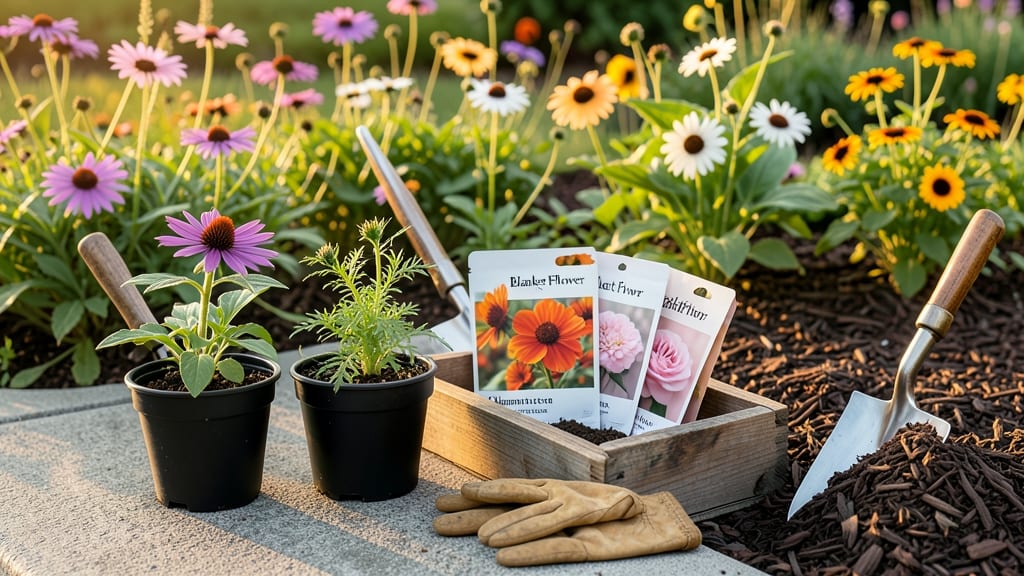
To plant flowers in Oklahoma at the perfect time means timing them with your last frost date—mid-March for most of the state—so they burst into bloom without fear of frostbite or summer heat stress.
Timing is everything in Oklahoma gardening—plant flowers too early, and frost will wipe them out; too late, and summer heat will stunt their growth. Mastering the perfect planting windows for USDA Zone 7a ensures vibrant blooms all season long.
Whether you’re planting annuals like zinnias or hardy perennials like coneflowers, the key is knowing when soil warms enough to support roots while avoiding the brutal July sun.
Below, I break down the exact months to plant for spring and fall blooms, how to adjust for microclimates, and which fast-growing varieties will reward you with color in just 60 days.
Oklahoma flower planting calendar by season: exact dates for annuals and perennials
Oklahoma’s USDA Zone 7a climate means we get 180 frost-free days—just enough time to grow stunning annuals and perennials if you plant at the right moment. The last average frost date is March 15, while the first frost typically arrives November 15.
Missing these windows can mean wilted petunias or stunted black-eyed Susans, so let’s break it down by season.
Spring is the golden window for most flowers, but fall planting can give you early blooms next year. Annuals like zinnias and marigolds thrive when planted after the last frost, while perennials like coneflowers can handle cooler soil.
Let’s dive into the exact dates and soil temps you need for success.
| Season | Plant Type | Ideal Planting Window | Soil Temp (°F) | Notes |
|---|---|---|---|---|
| Spring | Annuals (Petunias, Zinnias) | April 1 - May 15 | 50°F+ | Wait until soil warms; use row covers if frost threatens. |
| Spring | Perennials (Coneflowers, Black-Eyed Susans) | March 1 - April 10 | 40°F+ | Early planting gives roots time to establish. |
| Summer | Heat-Tolerant Annuals (Lantana, Portulaca) | June 1 - July 15 | 60°F+ | Avoid peak July heat; plant in partial shade. |
| Fall | Bulbs (Tulips, Daffodils) | September 15 - October 15 | 55°F+ | Plant 6-8 weeks before first frost for spring blooms. |
| Fall | Perennials (Daylilies, Salvia) | August 15 - September 30 | 50°F+ | Establishes roots before winter; mulch after planting. |
For spring planting, focus on March 15 to April 15—this is when soil temperatures rise above 50°F, perfect for petunias and impatiens.
If you’re in northern Oklahoma, wait until April 1 to avoid late frosts. Use a soil thermometer to confirm—55°F+ is ideal for most annuals.
Summer brings intense heat, so I recommend planting heat-loving annuals like lantana or portulaca in June or early July. These varieties thrive in 90°F+ temperatures and can handle Oklahoma’s dry spells. Water deeply in the morning to prevent wilting.
Fall is your second chance for perennials
How to adjust planting times for Oklahoma’s microclimates and frost risks
Oklahoma’s USDA Zone 7a spans from the cooler Panhandle region to the warmer Arkansas border, creating distinct microclimates that shift planting windows by weeks. In the north, gardeners face earlier frosts (late October), while southern gardeners enjoy longer growing seasons with last frosts as late as April 15.
These differences mean your zinnias might thrive in Lawton but freeze in Tulsa if planted too early.
To navigate these variations, I focus on three key adjustments: extending spring with protective covers, delaying summer plantings with shade, and selecting heat-tolerant varieties like lantana or portulaca.
Each strategy lets you push your garden’s limits—whether you’re in Oklahoma City’s urban heat islands or the Arbuckle Mountains’ cooler valleys.
⚠️ callout-warning ⚠️
Annuals like petunias and coleus will bolt or wilt if planted before soil reaches 60°F. In northern Oklahoma, this often means waiting until mid-April, while southern regions can start in early March. Check soil temp with a thermometer—don’t rely on air temperature alone!
Pro Tip: Use row covers to warm soil by 5-10°F, letting you plant 2-3 weeks earlier without frost risk.
For northern Oklahoma, cold frames are a game-changer. They create a microclimate 10-15°F warmer than outside, letting you start pansies or snapdragons in February instead of March. Place them on south-facing slopes to maximize sunlight absorption, and remove covers once nighttime temps stay above 35°F consistently.
Southern Oklahoma’s longer frost-free season (up to 220 days) allows for fall planting of cool-season flowers like calendulas or stock as late as October 15. However, avoid planting heat-loving marigolds after July 15—they’ll struggle to establish roots before summer’s end.
Instead, opt for drought-resistant varieties like blanket flower that thrive in 90°F+ temperatures.
One common mistake I see? Overestimating frost dates. Even in Zone 7a, a late frost can hit in April, especially in elevated areas. Sign up for local frost alerts (like those from Oklahoma Mesonet) and keep frost cloth handy.
Another pitfall is planting seeds too deeply—most flowers need only 2-3x their seed width of coverage, or they’ll rot before sprouting.
To maximize your bloom time, pair early bloomers (like tulips) with late-season varieties (such as chrysanthemums). Start tulip bulbs in October for spring color, then follow with zinnias in May and cosmos in June to create a continuous display.
This staggered approach ensures your garden stays vibrant from March through November.