
Neem Oil
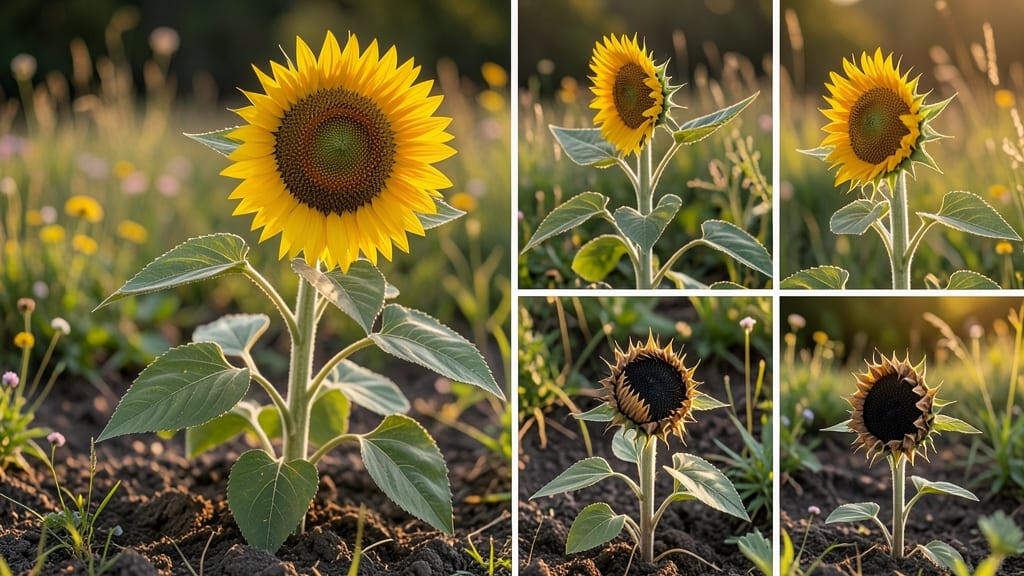
Understanding the black oil sunflower growth stages 🌻 is the key to growing a thriving plant that reaches its towering 12-foot potential—and avoiding the heartbreak of stunted blooms.
Picture this: a tiny seedling unfurling its first leaves, then racing upward in just 60 days to form a massive flower head. But without knowing the exact milestones, you might miss critical care moments that make the difference between a bountiful harvest and a disappointing one.
From germination to seed maturity, each phase demands different attention—whether it’s adjusting watering schedules, spotting early signs of stress, or timing fertilization just right. Below, I’ll walk you through the month-by-month checkpoints so you can track progress like a pro.
Ready to transform your garden into a sunflower powerhouse? Let’s dive into the stages that turn seeds into sky-high giants.


Black oil sunflower growth stages by month: height milestones and key development phases
Watching a black oil sunflower transform from a tiny seed into a 12-foot-tall beauty is magical—but success depends on understanding each growth stage. These sunflowers follow predictable milestones, from germination to seed maturity, with height gains that can surprise even seasoned gardeners.
Knowing what to expect month-by-month helps you provide the right care at the right time, ensuring healthy blooms and abundant seeds.
Black oil sunflowers typically complete their life cycle in 90-120 days, but their growth isn’t linear. Early stages focus on root and leaf development, while later phases prioritize flowering and seed production.
Each phase has unique care requirements, from watering schedules to fertilization timing. Below, we break down the journey by month, including height milestones and key development cues to watch for.
In the first 2 weeks (germination stage), your black oil sunflower will focus on establishing roots and sprouting its first cotyledon leaves. This stage is critical—overwatering can cause seed rot, while insufficient moisture stalls growth.
Aim for consistent soil moisture and place seeds in a warm, sunny location (60°F+). Once sprouted, thin seedlings to 6 inches apart to prevent competition.
By month 2 (vegetative growth), your sunflower will shoot up rapidly, reaching 2-6 feet tall in just 45 days. This phase demands nutrient-rich soil and regular watering (1-2 gallons per plant every 3-5 days).
Apply a balanced fertilizer (10-10-10) every 4-6 weeks to support leaf and stem development. If your garden experiences strong winds, consider staking to prevent stem breakage.
Around month 3 (bud formation), you’ll notice a swollen bud at the top of the stem, signaling the transition to flowering. Height gains slow as energy shifts to reproductive growth.
Reduce nitrogen fertilizer to encourage blooming instead of foliage, and increase potassium-rich feedings to strengthen stems. This is also when pest pressure (like aphids) peaks—inspect leaves regularly for signs of infestation.
When the flower blooms (month 4), your sunflower will reach its peak height (8-10 feet) and become a garden showstopper. The yellow petals
Critical care tips for each black oil sunflower growth stage to prevent stunted growth
Black oil sunflowers are resilient, but they need precise care at each growth stage to reach their full 10-12 foot potential. During the germination phase (0-14 days), maintaining consistent 60-70°F soil temperatures is critical—any cooler, and sprouts may fail to emerge.
I’ve found that using a seedling heat mat can make all the difference in cooler climates, especially when planting in early spring.
Once seedlings emerge, the vegetative stage (15-60 days) demands attention to soil pH (6.0-7.0) and balanced fertilization (10-10-10). Over-fertilizing here can lead to lush foliage but weak stems, so I recommend a light feed every 4-6 weeks rather than heavy doses.
This stage is also when thinning seedlings to 6 inches apart prevents overcrowding and fungal diseases.
⚠️ WARNING: Common Pitfalls & Proactive Fixes ⚠️
🌱 Stage-Specific Stunting Risks
- Germination: Cold soil (<60°F) → Delay sprouting. Use black plastic mulch to warm soil faster.
- Vegetative: Powdery mildew (white dust on leaves) → Reduce humidity with spaced rows and fungicide sprays (neem oil).
- Flowering: Root rot (yellowing leaves, foul smell) → Improve drainage by amending soil with perlite.
- Maturity: Birds pecking seeds → Cover heads with netting when seed casings darken.
Pro Tip: Monitor leaf color—yellowing = nutrient deficiency; purple stems = phosphorus shortage. Adjust fertilizer accordingly.
The flowering stage (60-90 days) is when black oil sunflowers shift energy from leaves to blooms. Here, deep watering (1-2 gallons per plant) in the morning prevents bud blast (dropped flowers) caused by evening moisture.
I’ve also noticed that pruning lower leaves improves airflow, reducing sclerotinia rot risks. During this phase, avoid high-nitrogen fertilizers—they’ll produce more leaves but delay flowering.
As sunflowers enter seed maturity (90-120+ days), their care shifts to protecting the harvest. Once the flower head turns brown and papery, I stop watering entirely to let seeds dry on the stalk.
This stage is also when birds become a menace, so I cover the heads with breathable netting as soon as the seed casings darken. If left unchecked, birds can strip a field in days!
One of my biggest lessons? Consistency is key. Skipping a watering or missing a pest spray during one stage can set back growth for weeks. For example, aphids in the vegetative stage can spread viruses that stunt growth permanently.
I now inspect plants weekly with a magnifying glass and treat infestations immediately with soapy water sprays.
For optimal black oil sunflower care, I’ve found that mulching with straw retains moisture, staking tall varieties prevents lodging, and rotating crops every 3 years avoids soil-borne diseases. These small adjustments have helped my sunflowers reach record heights and yields—proving that stage-specific care pays off big time. 🌻