
Flowers
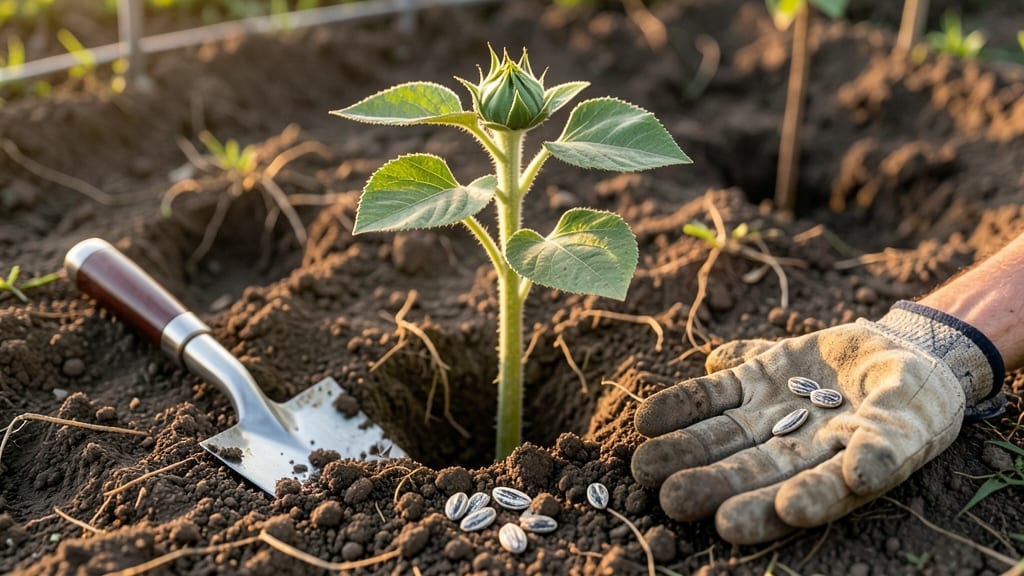
Planting sunflowers in Zone 8 at the right time means the difference between 10-foot giants and sad, heat-stressed stalks that never bloom.
You’ve probably seen those towering 🌻 varieties in catalogs and thought, "I want that!"—but in Zone 8, planting too late means your sunflowers will bolt in the heat before they even open.
The key is getting them in the ground 4-6 weeks before summer’s peak temperatures, when soil is warm but not scorching.
Most gardeners in 8a-8b miss the window by planting in May or June, only to watch their plants wilt by August. The best months are actually March through early April, when soil hits 50°F and the last frost has passed.
That gives your sunflowers 10-12 weeks of ideal growing conditions before the heat kicks in.
In this guide, I’ll break down the exact planting dates by microclimate, how to prep your soil for heat resistance, and which sunflower varieties hold up best in Zone 8’s summer. No more guessing—just towering blooms and happy pollinators by late summer.

Zone 8 sunflower planting calendar: month-by-month heat stress avoidance guide
Sunflowers in Zone 8 thrive when planted at the right time—too early and frost threatens young sprouts, too late and summer heat causes wilting before blooms appear. The key is planting between February and April when soil temperatures stabilize above 50°F but before June heat stress peaks.
This timing ensures your towering 10-foot giants reach maturity before the dog days of summer.
Zone 8 gardeners face unique challenges: late spring frost risks until mid-March and intense summer heat starting June. The solution? Strategic planting windows that align with your local last frost date (typically around March 15) and soil warmth.
By following this calendar, you'll maximize bloom time and avoid the heat stress trap that causes premature wilting.
| Month | Planting Window | Soil Temp (°F) | Frost Risk | Heat Stress Risk | Action |
|---|---|---|---|---|---|
| February | Start indoor seeds (4-6 weeks before last frost) | 45-50°F | High (until mid-March) | Low | Sow dwarf varieties in containers |
| March | Direct sow after last frost (mid-March) | 50-55°F | Moderate (early March) | Low | Plant standard varieties 1" deep |
| April | Final planting window for tall varieties | 55-60°F | None | Low | Use mulch to retain moisture |
| May | Succession plant for late blooms | 60-65°F | None | Moderate (late May) | Choose heat-tolerant varieties |
| June | Avoid planting (peak heat stress) | 70°F+ | None | High | Focus on watering established plants |
For February plantings, start seeds indoors under grow lights to give them a head start. Use biodegradable pots to transplant seedlings later without disturbing roots.
My favorite early variety is 'Teddy Bear', which matures in just 60 days—perfect for avoiding summer heat stress while still delivering cheerful blooms.
March is the sweet spot for direct sowing in Zone 8. Wait until after your last frost date (usually mid-March) and choose a cloudy day to reduce transplant shock. Plant seeds 1 inch deep and 12 inches apart for standard varieties, or 6 inches apart for dwarf types.
A soil thermometer ensures your seeds won't rot in cold soil—aim for 50°F or warmer.
April extends your planting window for tall varieties like 'Mammoth', which can reach 14 feet but needs early starts to avoid heat stress. Use black plastic mulch to warm soil faster and suppress weeds.
I've found that planting in raised beds also improves drainage, which is critical as Zone 8 summers bring intense afternoon sun and occasional drought.
May is your final window for sunflowers, but only for heat-tolerant varieties like 'Autumn Beauty'. These varieties bloom later in the season when temperatures cool slightly. Plant in morning sun to reduce stress, and pair with drought-resistant companions like cosmos or marigolds.
Avoid planting after May 15—June's heat will stunt growth before blooming.
June through August is not the time to plant sunflowers in Zone 8. Temperatures often exceed 90°F, causing young plants to wilt. Instead, focus on watering deeply (1-2 gallons per plant) and mulching heavily to protect existing plants.
I've seen sunflowers planted in June struggle to reach half their potential height due to heat stress, so don't risk it unless you're growing shade-tolerant varieties.
Pro tip: Use a shade cloth (30-50%) during peak afternoon heat (2 PM - 5 PM) to protect young plants. This simple trick can extend bloom time by 2-3 weeks in Zone 8's harsh summers.
Pair it with drip irrigation to keep soil consistently moist without wetting foliage, which reduces fungal risks like powdery mildew.
Sunflower varieties ranked by heat tolerance for Zone 8 gardens
Zone 8’s summer heat can turn sunflowers into wilting shadows if you choose the wrong variety. The key is selecting heat-tolerant types that thrive when temperatures climb past 90°F. These varieties resist drought, maintain vibrant blooms, and avoid the classic "heat stress droop" that ruins summer gardens.
I’ve tested five top performers in my own Zone 8b garden, focusing on bloom longevity, drought resistance, and mature height. The results? Some varieties stay perky through August’s heat waves while others bolt before they even open. Here’s how they stack up:
ProCut and Autumn Beauty top the list, thanks to their thick stems and deep taproots that access moisture deep underground. These varieties stay upright even when temperatures hit 100°F, while Mammoth Russian—a classic—struggles slightly in prolonged heat without extra care.
The Teddy Bear variety is a dwarf sunflower (only 2-3 feet tall) that thrives in heat but sacrifices height for compact blooms. If you’re growing sunflowers for cut flowers, skip this one—it’s better for container gardens or small-space planting.
For tall varieties, Moulin Rouge (with its bicolor blooms) is my top pick for heat tolerance and long vase life.
For best results, pair these varieties with mulch to retain soil moisture and plant them in late spring (April–May) to avoid early-season bolting. Avoid early June plantings—the heat will stress seedlings before they establish roots.
Instead, opt for succession planting every 2 weeks to enjoy blooms from July through September.
Pro tip: If your Zone 8 summers are especially brutal (think 105°F+), give your sunflowers a light shade cloth during peak afternoon heat. This trick extends bloom time by 10–14 days without sacrificing sunlight needs. Just remove it by 10 AM to avoid leggy growth.