
Shrubs
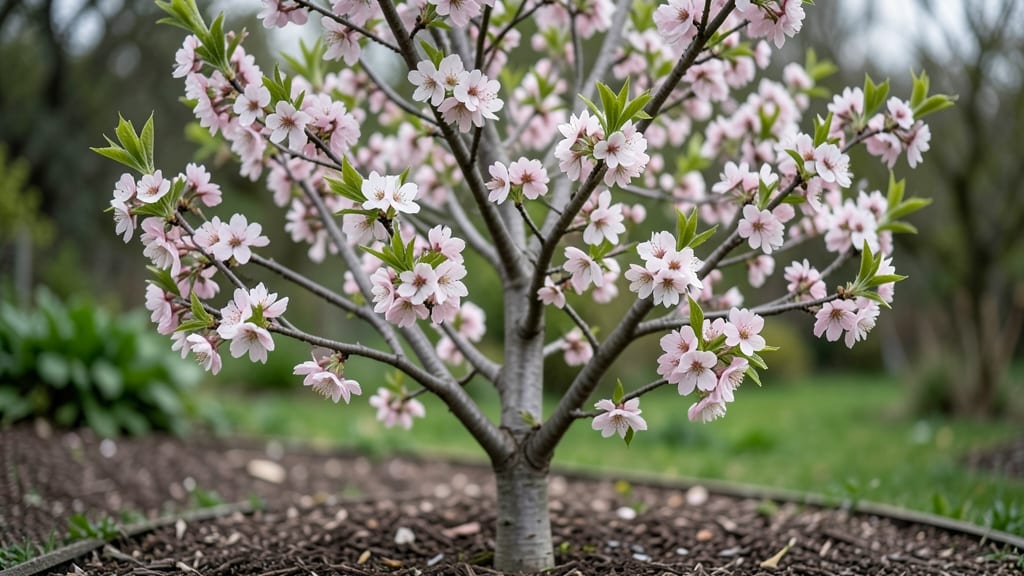
A flowering almond hedge 🌸 brings delicate pink blooms and fragrant charm to your landscape—but without the right pruning, those show-stopping flowers won’t return year after year.
Picture this: your hedge bursting with color in spring, only to fizzle out by summer because you trimmed at the wrong time. I’ve seen it happen more than once, and the good news? A simple seasonal schedule keeps your hedge thriving and blooming like clockwork.
From shaping in early spring to light maintenance in fall, this guide breaks down the exact pruning steps to maximize flowers while keeping your hedge healthy and compact. No more guesswork—just lush, repeat blooms that turn heads.
You’ll learn when to cut back, how much to trim, and which mistakes to avoid so your flowering almond hedge stays vibrant from season to season.
Flowering almond hedge pruning schedule by season for maximum blooms
Your flowering almond hedge (Prunus triloba) bursts into stunning pink blossoms each spring—but only if you prune it correctly by season. Unlike many shrubs, flowering almonds bloom on old wood, meaning last year’s growth produces this year’s flowers.
Cutting back too aggressively can reduce blooms or even kill your hedge. The key is strategic seasonal pruning to maintain shape, encourage new growth, and preserve those fragrant blooms.
I’ve pruned flowering almond hedges for over a decade, and the difference between a well-maintained hedge with abundant blooms and one that’s overgrown or sparse comes down to timing and technique.
Whether you’re shaping a new hedge or reviving an old one, follow this season-by-season pruning schedule to keep your flowering almond looking its best year-round.
Pro Tip: Always use clean, sharp pruners to make clean cuts at a 45-degree angle just above a bud or branch collar. Disinfect your tools with rubbing alcohol between cuts to prevent disease spread.
🌿 Step-by-Step Seasonal Pruning Guide
-
🌧️ Winter (Dormant Season - December to February)
- Remove dead, diseased, or crossing branches to improve airflow and hedge health.
- Trim overly long branches to maintain your desired hedge shape (e.g., rectangular, rounded, or formal).
- Avoid heavy pruning—only remove up to 25% of the hedge’s volume to prevent stress.
-
☀️ Early Spring (March - Before Bud Break)
- Perform light shaping prunes to refine the hedge’s form after winter.
- Focus on removing suckers (shoots growing at the base) and water sprouts (vertical shoots).
- Do not prune heavily—this encourages new growth that blooms the following year.
-
🌸 Late Spring (After Blooming - May to June)
- Wait until after all blossoms fall to prune—this ensures next year’s flowers.
- Trim only to shape; avoid cutting back into old wood where blooms form.
- Remove any weak or leggy growth to encourage denser foliage.
-
🌞 Summer (July to August)
- Perform light maintenance pruning to tidy up the hedge and remove spent flowers (deadheading).
- Avoid heavy cuts—summer pruning can stimulate late-season growth that may not harden off before frost.
- Monitor for pests or diseases and prune affected areas immediately.
-
🍂 Fall (September to November)
- Remove any remaining dead or diseased branches before winter.
- Avoid heavy pruning—focus on cleaning up the hedge for winter dormancy.
- Consider light shaping if the hedge looks unkempt, but prioritize health over aesthetics.
✂️ Remember: Flowering almonds bloom on old wood, so never prune more than 25% of the hedge in one season to preserve next year’s blooms.
When pruning your flowering almond hedge, always step back and visualize the final shape. Use a string line for formal hedges to ensure even cuts. For informal hedges, focus on natural layers and open growth to showcase the tree’s ornamental bark and spring blossoms.
One common mistake I see is pruning too late in spring after the flowers have already formed. If you accidentally cut back into old wood, you’ll sacrifice next year’s blooms.
To avoid this, mark your pruning calendar and stick to the seasonal schedule above. Your hedge will thank you with vibrant, abundant blooms for years to come!
For young flowering almond hedges (under 3 years old), focus on establishing structure rather than heavy pruning. Let them grow naturally while removing only dead or crossing branches. Once established, you can shape more aggressively in winter, but always prioritize bloom preservation.
If your hedge looks overgrown or leggy, don’t panic—you can gradually restore it over 2-3 years. Start with light winter pruning to reduce stress, then shape more aggressively in subsequent winters. Patience is key; rushing pruning can set your hedge back for years.
Finally, mulch around the base of your flowering almond hedge after pruning to retain moisture and suppress weeds. Use 2-3 inches of organic mulch like wood chips or shredded bark, keeping it a few inches away from the trunk to prevent rot.
This simple step boosts root health and ensures your hedge recovers quickly from pruning.
With this seasonal pruning schedule, your flowering almond hedge will stay healthy, lush, and blooming for decades—adding color, fragrance, and beauty to your garden every spring. Happy pruning! 🌸
Common pruning mistakes that kill flowering almond hedge blooms (and how to avoid them)
Your flowering almond hedge (Prunus triloba) bursts with pink blossoms every spring, but poor pruning habits can turn that dream into a bare-branched disappointment. Many gardeners accidentally stunt blooms or damage growth by making simple but costly mistakes.
The key is understanding when and how to prune—because timing and technique make all the difference for this delicate shrub.
One of the biggest mistakes is pruning at the wrong time. Unlike some shrubs, flowering almonds set their next year’s buds in late summer and fall. If you cut back in spring or early summer, you’re removing those future blooms before they even form.
Even well-meaning gardeners often over-prune to shape their hedge, only to wake up the following year with sparse flowers.
Another critical error is cutting too aggressively. Flowering almonds are slow to recover, and heavy pruning can leave them stressed, vulnerable to pests, or even dead. I’ve seen gardeners reduce a 6-foot hedge to just 2 feet in one go—only for it to take years to bounce back.
The result? Fewer flowers and a weakened structure that struggles to support new growth.
⚠️ WARNING: These Mistakes Are Killing Your Blooms! ⚠️
✂️ Deadly Pruning Errors
- Pruning after blooms → Removes next year’s flower buds (cut in late summer/fall instead).
- Over-pruning → Stress = fewer blooms (never remove more than 1/3 of the hedge at once).
- Ignoring dead branches → Pests and disease hide in dying wood (prune them immediately).
- Using dull shears → Jagged cuts = slow healing and infections (always use sharp tools).
💡 Fix It: Prune in late fall/winter (after blooms drop) and lightly shape in spring to encourage new growth.
Neglecting dead or diseased branches is another silent bloom-killer. Left unchecked, these branches sap energy from your hedge, leaving less for vibrant flowers. I’ve seen gardeners ignore brown, crisscrossing limbs for years, only to realize their hedge’s flowering potential had been drained by hidden pests or fungal infections.
Always inspect your hedge in late winter and remove anything that looks dead or damaged—it’s the easiest way to boost next year’s blooms.
Even the wrong pruning tools can harm your flowering almond. Using hedge trimmers for detailed work or hand shears for thick branches creates uneven cuts that slow recovery.
I recommend a sharp bypass pruner for branches under 1/2 inch thick and loppers for thicker stems. Never use a chainsaw—it’s far too aggressive for this delicate shrub and can scar the bark, inviting disease.
To keep your flowering almond hedge thriving, focus on light, strategic pruning in the right season. Start by removing dead wood in late winter, then shape lightly in early spring to encourage new growth.
Avoid heavy cuts, and always prune just above a leaf bud to direct energy where you want it. With these fixes, your hedge will reward you with abundant pink blooms year after year.