
Trees
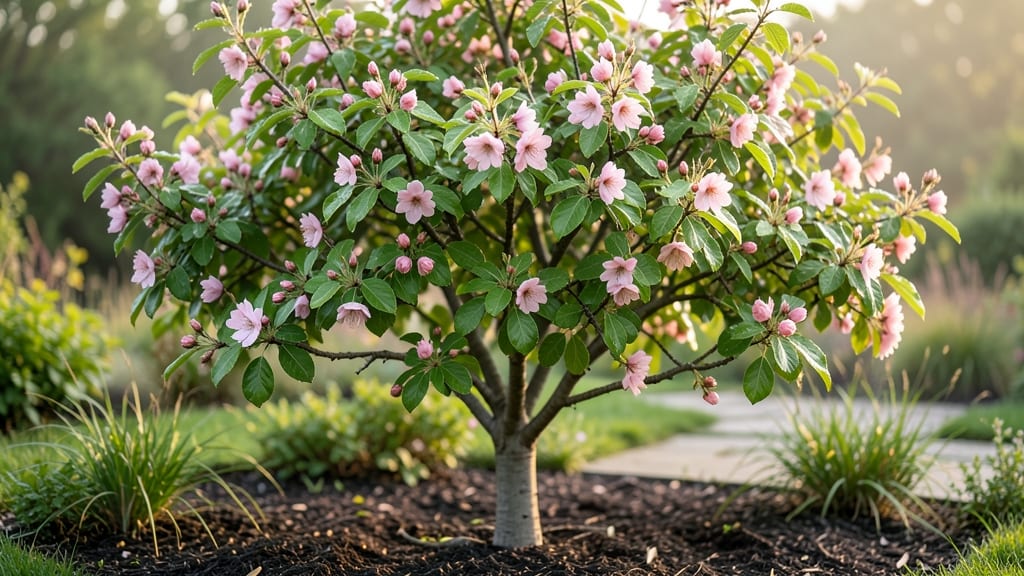
The flowering pear tree growth rate depends on your variety, soil, and care — and knowing these factors can save you years of waiting for that showstopping bloom.
Imagine planting a sapling in spring, only to watch it creep along at 3 feet a year for what feels like forever. Some varieties like Bradford shoot up 4–6 feet annually, while others take their time reaching that 20–30-foot glory. The difference? Sunlight, soil, and a little pruning know-how.
In this guide, I’ll break down the fastest and slowest growers, how to tell if your tree is thriving (or struggling), and the 3 simple tricks to speed up growth without chemicals.
Whether you’re planning a backyard centerpiece or a street-side spectacle, you’ll know exactly what to expect year by year.
Ready to turn that bare spot into a showstopper in record time? Let’s get started.


Flowering pear tree growth rate by variety: fastest vs slowest maturers
Choosing a flowering pear tree means committing to a long-term landscape investment, and growth rates vary dramatically between varieties. Some varieties like Bradford shoot up 3-5 feet per year in ideal conditions, while others like Calleryana grow more slowly but live longer.
Understanding these differences helps you plan for shade, space, and seasonal blooms with confidence.
Your location and soil type also play huge roles—well-draining soil and full sun exposure can accelerate growth by 20-30% compared to shady or clay-heavy sites. Even the fastest growers need patience, as most flowering pear trees take 5-7 years to reach their first major bloom stage.
The Bradford pear remains the fastest grower, but its rapid growth comes with trade-offs—thicker branches that may require more pruning. Cleveland Select offers a balance, growing 20% slower but with better disease resistance and longer-lasting blooms.
If you're in a smaller yard, consider Calleryana, which matures at 20-30 feet but takes nearly 30 years to reach peak beauty.
First-year growth is critical—young trees need consistent moisture and mulch protection to establish strong root systems. I’ve seen Bradford pears hit 5 feet in their first year with proper care, while Calleryana might only gain 1-2 feet. The difference comes down to rootstock and cultivation techniques.
Climate matters too—trees in USDA Zone 7 or warmer grow 10-15% faster than those in cooler zones. For example, a Cleveland Select in Atlanta might bloom by year 6, while the same tree in Chicago could take year 8. Always check your local frost dates when planning planting.
Pruning young trees can actually slow growth if done incorrectly. Heavy pruning in the first 3 years reduces canopy size but may delay flowering by 1-2 years. Instead, focus on structural shaping during dormancy to guide natural growth patterns without stunting development.
One common misconception is that larger trees always mean faster growth. In reality, dwarf varieties like Chanticleer often establish quicker because they require less energy to support their structure. They may not reach 30 feet, but they’ll hit 15 feet in half the time of a standard Bradford.
To maximize growth, I recommend spring feeding with balanced fertilizer (10-10-10) and deep watering every 7-10 days during the first 2 years. Avoid overwatering—root rot is a silent killer of young flowering pears, and soggy soil can reduce growth by up to 40%.
If you're impatient for blooms
How to accelerate flowering pear tree growth naturally (without chemicals)
Your flowering pear tree can reach its full glory faster than you think—with the right care. While these trees are naturally hardy, their growth rate can double or triple with proper techniques.
The key lies in mimicking their ideal growing conditions without synthetic shortcuts. Let’s dive into the natural methods that’ll have your tree thriving in no time.
Many gardeners unknowingly slow their tree’s growth by making simple mistakes—like over-pruning or neglecting soil health. But with a few targeted adjustments, you can create an environment where your Pyrus calleryana grows 2-3 feet per year instead of just 1.
The best part? These methods are chemical-free and work with nature, not against it.
- 🌱 Optimize Soil: Amend clay-heavy soil with compost and sand (1:1 ratio) to improve drainage. Test pH—ideal range is 6.0-7.0. A mulch layer (3 inches) retains moisture and regulates temperature.
- ☀️ Maximize Sunlight: Plant in full sun (6+ hours daily). South-facing locations work best. If shade is unavoidable, supplement with grow lights during winter months for 2-3 extra hours.
- 💧 Water Deeply: Water morning-only (before 10 AM) for 10-15 minutes per session. Focus on root zone—avoid wetting leaves to prevent fungal diseases. Established trees need every 7-10 days in summer.
- ✂️ Prune Strategically: Prune late winter (before buds swell) to remove dead/diseased branches. Use sharp tools and make cuts at 45-degree angles. Avoid over-thinning—never remove more than 25% of foliage per year.
- 🌿 Feed Naturally: Apply compost tea (1:10 ratio) every 4-6 weeks during growing season. Use fish emulsion (2 tbsp per gallon of water) for nitrogen boosts. Avoid synthetic fertilizers—they can burn roots and reduce blooms.
One of the biggest mistakes I see is over-pruning in spring. While it might seem like trimming encourages growth, aggressive cuts actually stress the tree and slow down flowering.
Instead, focus on structural pruning—removing only what’s necessary to maintain shape and air circulation. This keeps your tree healthy and blooming without stunting its growth.
Don’t underestimate the power of seasonal care. In early spring, apply a 2-inch layer of compost around the base to replenish nutrients. During summer heatwaves, increase watering to every 5-7 days and provide light shade for young trees.
In fall, mulch again to protect roots from freezing temperatures.
With these natural techniques, your flowering pear tree could reach 15-20 feet in just 5-7 years instead of the typical 10-12 years. The best part? Your tree will be stronger, healthier, and more resilient—ready to handle pests, diseases, and even harsh weather. Happy growing! 🌳