
Blooming
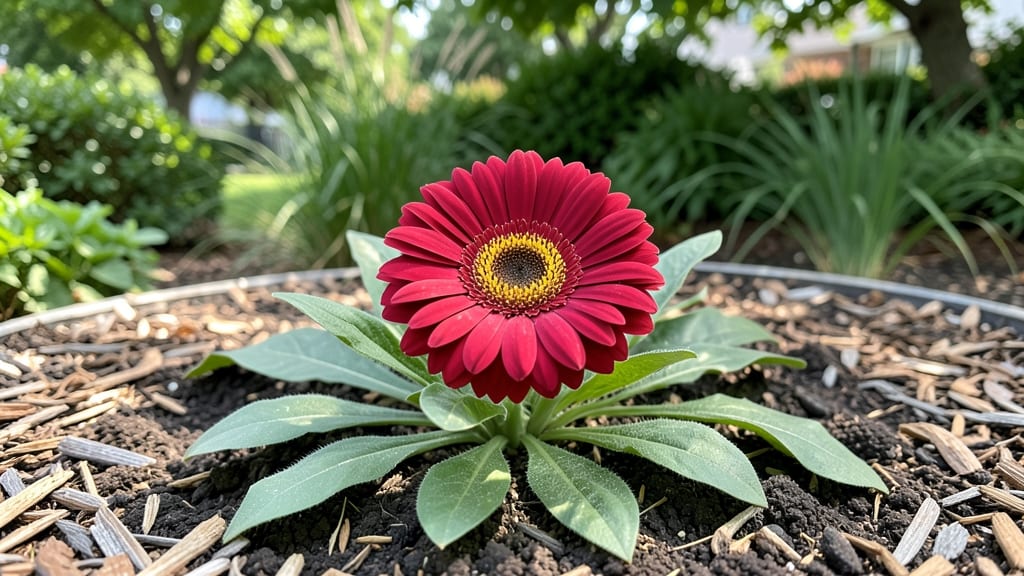
Gerbera daisies bloom best during their natural flowering season, which varies wildly depending on your USDA zone and climate.
If you love vibrant gerbera daisies but struggle with their unpredictable blooming cycles, understanding your USDA zone’s flowering season could transform your garden into a year-round splash of color.
In cooler zones like 6a, these cheerful 🌼 flowers typically burst into bloom from June through September, while tropical regions can enjoy them nearly year-round with the right care.
Below, I’ll break down the ideal timing for your zone, plus simple tricks to coax extra blooms—so you can enjoy these sun-kissed beauties for months longer than nature intended.
Gerbera daisy flowering seasons by USDA zone: when to expect blooms
If you're dreaming of a garden bursting with gerbera daisies, timing is everything. These cheerful blooms thrive in warm weather, but their flowering seasons vary dramatically depending on your USDA zone.
Understanding these patterns helps you plan for vibrant displays from spring through fall—or even year-round with the right techniques.
In cooler zones like USDA zones 3-5, gerbera daisies often bloom from late June to September, while warmer zones like USDA zones 8-11 can enjoy blooms from spring through winter. The key difference? Temperature and daylight hours trigger their flowering cycles, making zone-specific knowledge essential for success.
Here’s a quick reference for your zone—use this to align planting with peak bloom times and extend your gerbera daisy season with simple adjustments.
| USDA Zone | Primary Bloom Season | Peak Months | Climate Notes |
|---|---|---|---|
| 3-5 | Late Spring to Early Fall | June–September | Short season; needs frost protection |
| 6-7 | Spring to Fall | May–October | Longer bloom window; may need winter mulch |
| 8-9 | Year-Round (with care) | March–November | Tropical varieties thrive; minimal dormancy |
| 10-11 | Year-Round | January–December | No frost; continuous blooms possible |
In USDA zones 3-5, gerbera daisies are short-season bloomers, typically flowering from late June to September. The cold limits their growth, so starting seeds indoors in March and transplanting after the last frost gives them a head start.
Use black plastic mulch to warm the soil and extend the season by 2-3 weeks.
Gardeners in USDA zones 6-7 enjoy a longer bloom window, from May to October. These zones benefit from spring planting (after frost) and annual deadheading to encourage continuous blooms. In cooler autumns, apply a light mulch to protect roots from early frosts.
Warmer zones like USDA zones 8-9 can push gerbera daisies to bloom nearly year-round, especially with tropical varieties. Plant in early spring and again in late summer for staggered blooms. Use shade cloth in peak summer to prevent stress from intense heat.
In USDA zones 10-11, gerbera daisies thrive with minimal intervention. They bloom continuously if given consistent moisture and well-draining soil. Prune spent blooms regularly to redirect energy into new flowers, and fertilize lightly every 4-6 weeks to maintain vigor.
Daylight hours also play a critical role. Gerbera daisies need 6-8 hours of sun daily to bloom prolifically. In northern zones, supplement with a grow light in late fall to maintain flowering. Conversely, in southern zones, provide afternoon shade to prevent wilting during extreme heat.
Soil temperature matters too. Gerbera daisies won’t thrive until soil reaches 60°F (15°C). Use a soil thermometer to monitor conditions, especially in cooler zones. Raised beds warm up faster and are ideal for extending the growing season.
For year-round color, consider container gardening. Pots can be moved indoors during cold snaps or under a greenhouse cover in fall. Choose compact varieties like ‘Mini Star’ or ‘Tiny Teddy’ for smaller spaces, and ensure containers have drainage holes to prevent root rot.
With these zone-specific strategies, you can enjoy gerbera daisies blooming nearly year-round, regardless of your climate. Start by aligning your planting schedule with your zone’s natural bloom window, then tweak with light, soil, and protection to maximize your floral displays.
How to extend gerbera daisy blooms beyond their natural season
Gerbera daisies naturally thrive in warm spring and summer months, but with the right techniques, you can coax extra blooms well beyond their typical June-September window. The key lies in understanding how these plants respond to light, temperature, and care.
By making small adjustments, you can extend their flowering season into early fall or even late spring, giving your garden a longer burst of color.
Many gardeners assume gerbera daisies only bloom during peak summer, but with proper soil preparation and pruning, you can push their limits. For example, in USDA zones 8-11, where winters are mild, gerbera daisies can sometimes bloom year-round with minimal intervention.
Let’s explore the most effective methods to maximize their flowering potential.
One of the simplest ways to extend gerbera daisy blooms is through strategic pruning. After each flush of flowers fades, trim back the stems by one-third to encourage new growth.
This technique works best in late summer or early fall, giving the plant time to recover before cooler temperatures set in. Avoid heavy pruning in winter, as the plant needs energy to survive dormancy.
Soil health plays a critical role in prolonging blooms. Gerbera daisies prefer well-draining, slightly acidic soil (pH 6.0-6.5). Amend your garden beds with compost or aged manure in early spring to provide essential nutrients.
During active growth, use a balanced fertilizer (5-10-5) every 4-6 weeks to support continuous flowering. Over-fertilizing can lead to lush foliage but fewer blooms, so moderation is key.
Temperature control is another game-changer. Gerbera daisies struggle in extreme heat or cold, which can stunt blooming. In hot climates, provide afternoon shade to prevent wilting, while in cooler zones, use row covers or cold frames to extend the growing season.
Mulching around the base of plants helps regulate soil temperature and retains moisture, both of which encourage longer blooming periods.
Finally, don’t overlook the power of container gardening. Potted gerbera daisies can be moved to optimal sunlight locations throughout the day or season. For example, place them near a south-facing window in winter or under a patio cover in summer.
This flexibility allows you to control their environment more precisely, ensuring they keep blooming even when natural conditions aren’t ideal.