
How To
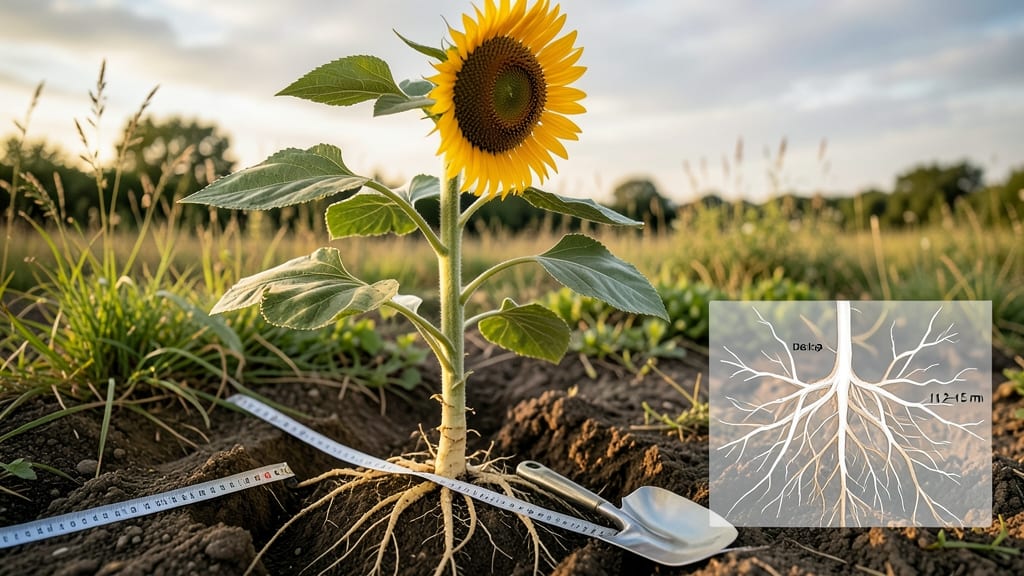
Sunflower roots grow surprisingly deep—often 3 to 5 feet—to anchor those towering stems and access water in dry spells.
If you’ve ever watched a sunflower lean dramatically or wilt under scorching sun, you know how critical those hidden roots are. Without them, even the hardiest varieties topple like overgrown weeds.
This guide breaks down exactly how deep sunflower roots dive, why soil type matters, and how to give them the space they need to thrive—without digging up your garden every time you water.
You’ll also learn how to spot shallow roots early, adjust planting techniques, and keep your 🌻 sunflowers standing tall all season.
Sunflower root depth explained: how far down do they grow?
Sunflowers may reach skyward with their towering stems, but their true foundation lies hidden below the soil surface. Understanding sunflower root depth is crucial for growing healthy, stable plants that thrive even in tough conditions.
The average sunflower root system extends 2 to 5 feet deep, with some varieties reaching deeper in loose, nutrient-rich soil.
The depth of sunflower roots isn't just about how far they grow—it's about how they access water, nutrients, and stability. A well-developed root system helps sunflowers withstand wind, drought, and poor soil conditions.
For gardeners, this means proper soil preparation and plant spacing can make all the difference in root development.
Here’s a quick breakdown of how sunflower roots develop and what affects their depth:
| Root Type | Depth Range | Key Function | Soil Impact |
|---|---|---|---|
| Taproot | 2–5 feet | Anchors plant, accesses deep water | Struggles in compacted soil |
| Lateral Roots | 1–2 feet wide | Absorbs nutrients, stabilizes base | Thrives in loose, aerated soil |
| Fine Roots | Top 6–12 inches | Water uptake, early growth | Sensitive to soil moisture |
*Depth varies by variety, soil type, and growing conditions.
The taproot of a sunflower is its most impressive feature, often penetrating 3 to 4 feet deep in ideal conditions. This primary root anchors the plant and taps into deep water reserves, which is especially important during drought.
However, if the soil is compacted or rocky, the taproot may struggle to grow deep, leading to weaker plants.
In sandy soil, sunflower roots tend to grow deeper and wider to access nutrients, but they may dry out faster. Conversely, clay soil can restrict root growth due to poor drainage, causing roots to stay shallow.
Amending clay soil with organic matter like compost can improve root penetration and overall plant health.
Lateral roots spread horizontally, typically within the top 1–2 feet of soil, forming a network that stabilizes the plant and absorbs nutrients. These roots are highly sensitive to soil conditions—well-aerated soil with plenty of organic matter encourages robust lateral growth, while compacted soil can stunt their development.
For gardeners, understanding sunflower root depth translates directly to better planting practices. When sowing seeds, avoid disturbing the soil too deeply, as this can damage emerging roots. Instead, plant seeds 1 inch deep and space them 6 inches apart, allowing room for roots to expand without competition.
Mulching around sunflower plants helps retain moisture in the root zone and prevents soil crusting, which can restrict root growth. Use organic mulch like straw or wood chips, keeping it 2–3 inches away from the stem to avoid moisture-related issues.
This simple step can significantly improve root development and plant stability.
Signs of healthy sunflower roots include strong stems, vibrant foliage, and resistance to wind. If your plants appear wilting or leaning, it may indicate shallow roots struggling to anchor the plant. In such cases, consider adding compost or aerating the soil to encourage deeper root growth.
In summary, the depth of sunflower roots is a critical factor in their growth and resilience. By focusing on soil quality, proper spacing, and mulching, you can help your sunflowers develop the strong root systems they need to thrive—no matter how tall they grow!
5 Signs your sunflower roots aren’t growing deep enough (and how to fix it)
Sunflowers may look sturdy, but their towering stems rely on strong, deep roots to anchor them. When roots stay shallow, your plants struggle to access water and nutrients, leading to visible stress.
I’ve seen sunflowers lean dramatically or wilt midday simply because their roots aren’t diving deep enough into the soil. The good news? With a few targeted fixes, you can encourage those roots to grow downward like they should.
First, let’s tackle the most common red flags that your sunflowers’ roots aren’t reaching their full potential. These signs often appear early in the growing season, giving you time to intervene before your plants become unstable.
The key is acting fast—once a sunflower starts leaning or wilting, it’s already using precious energy to compensate for weak roots.
- 2–4 feet deep: Average for most varieties, with a taproot extending downward while lateral roots spread horizontally.
- Up to 5 feet: For giant varieties like Mammoth, where deeper roots support their 10+ ft stems.
- Shallow roots (<1 foot): Common in compacted soil or when plants are overcrowded, leading to poor stability.
- Root zone width: Lateral roots spread 1–2 feet wide, competing for nutrients in the topsoil layer.
- Critical depth: Roots must reach 18+ inches deep to access moisture during droughts and support full-height growth.
Here’s the first sign to watch for: excessive leaning. If your sunflowers start bending toward the light like they’re bowing to the sun, their roots likely aren’t anchoring them properly. This often happens when roots stay confined to the top 6 inches of soil instead of diving deeper.
To fix this, I recommend deep watering once a week to encourage roots to grow downward in search of moisture.
Another clear indicator is midday wilting, even after watering. Shallow roots can’t hold enough moisture to keep the plant hydrated during hot afternoons. My solution? Apply a 2–3 inch layer of mulch around the base to retain soil moisture and cool the roots.
Organic mulch, like straw or shredded leaves, also breaks down slowly, adding nutrients to the soil over time.
If your sunflowers show yellowing leaves starting at the bottom, it’s often a sign of nutrient deficiency caused by shallow roots. Since deeper soil layers hold more nutrients, I suggest mixing in compost or worm castings at planting time.
For an extra boost, use a root-stimulating fertilizer like mycorrhizal fungi or fish emulsion to encourage root growth downward.
Don’t overlook slow or stunted growth as a warning sign. Sunflowers should shoot up 1–2 inches per day in ideal conditions. If they’re growing at half that speed, their roots may be struggling to access water or nutrients.
To help, I plant sunflowers alongside companion plants like beans or clover, which fix nitrogen in the soil and improve root health.
Finally, if your sunflowers fall over easily when touched, their roots are clearly not deep enough to support their weight. This is especially common in container-grown sunflowers or those planted in heavy clay soil.
My fix? Loosen the soil around the roots with a garden fork to aerate compacted areas, then water deeply to encourage roots to explore deeper layers.