
How To
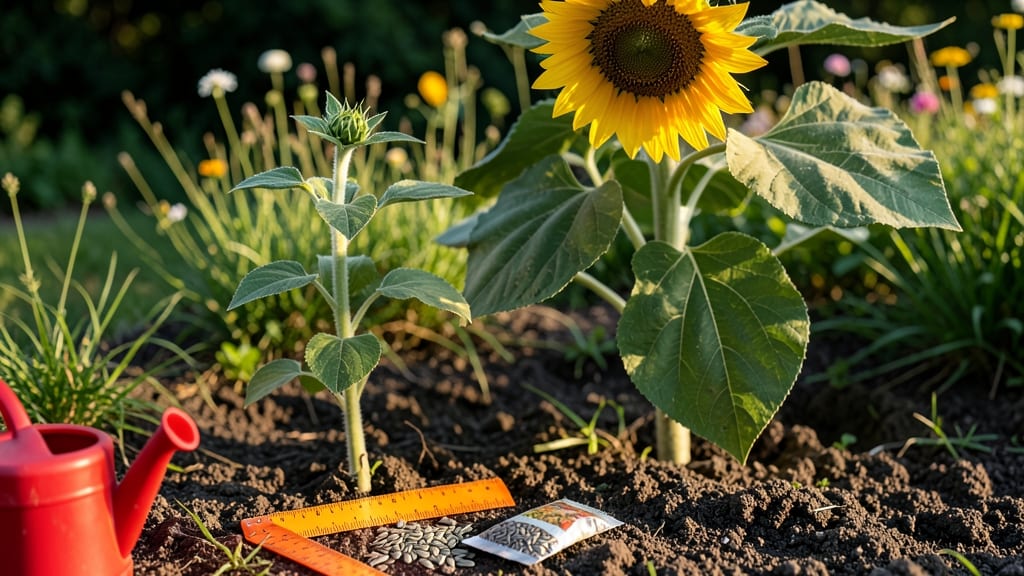
Sunflower seeds grow fast—some varieties sprout in just 3 to 7 days—but the real magic happens in the weeks after, when those tiny shoots stretch toward the sun.
Picture this: you tuck a seed into warm soil, water it gently, and within a week, a bright green shoot breaks through the earth. But here’s the catch—while germination is quick, reaching those towering 10-foot blooms takes patience and the right conditions.
In this guide, we’ll break down the exact timeline for sprouting, leafing, and flowering, plus the key tricks to speed up growth without sacrificing health. Whether you’re growing Mammoths or Teddy Bear varieties, you’ll know exactly what to expect—and when.
Ready to turn your garden into a sunflower spectacle? Let’s dive into the stages, from seed to bloom, so you can enjoy those cheerful faces faster than ever.


Sunflower germination speed: days to sprout by variety type
Sunflower seeds are famous for their speed—some varieties sprout in just 3-5 days under ideal conditions! But not all sunflowers germinate at the same pace. The variety you choose, along with soil temperature and moisture, can dramatically shift your sprouting timeline.
For example, Russian Giant seeds often pop up faster than Teddy Bear varieties, while Mammoth types may take a few extra days to break through the soil. Knowing these differences helps you plan your garden with confidence.
Germination speed isn’t just about variety—it’s also about creating the perfect environment. Sunflower seeds need warm soil (60°F+) and consistent moisture to kickstart growth. Planting too deep (more than 1 inch) or in cold soil can delay sprouting by a week or more.
Even a slight drop in soil temperature can stall germination, so timing matters. Let’s break down the fastest and slowest germinators to help you set realistic expectations for your garden.
If you’re eager to see sprouts, focus on soil warmth and consistent moisture. A simple trick is to pre-warm your soil with black plastic mulch for a few days before planting. This can shave off 1-2 days from germination time, especially in cooler climates.
I’ve seen Russian Giant seeds sprout in just 3 days when planted in pre-warmed soil, while the same seeds took 7 days in cooler conditions. The difference is night and day!
Moisture is just as critical as temperature. Sunflower seeds need constant dampness (not soggy soil) to germinate. A light misting every 2-3 days keeps the soil ideal without risking rot. Overwatering can actually delay germination by suffocating the seeds.
I’ve learned this the hard way—once, I drowned a batch of Mammoth seeds by keeping them too wet, and they took 12 days to sprout instead of the usual 5-7 days. Let the top inch of soil dry slightly between waterings to strike the right balance.
Planting depth also plays a role. While most sunflower varieties prefer 1 inch deep, some dwarf types like Teddy Bear can handle slightly shallower planting (½ inch) for faster sprouting. However, planting too shallow risks exposing seeds to drying out or bird predation.
I recommend sticking to 1 inch for most varieties unless the seed packet specifies otherwise. This depth ensures consistent moisture while protecting the seeds from extreme weather.
Light conditions matter less during germination than you might think—sunflowers don’t need sunlight to sprout. In fact, they’ll germinate just fine in the dark, though they’ll stretch toward light once they break the surface.
If you’re starting seeds indoors, place them in a warm, dark spot (like a seedling heat mat) until you see cotyledons (the first true leaves). Then, move them to a sunny window or under grow lights. This two-step process mimics natural conditions and helps prevent leggy seedlings.
For gardeners in cooler climates, consider using a seedling heat mat to speed up germination. These mats keep soil temperatures steady at 70-75°F, cutting germination time by nearly half. I’ve used one for Autumn Beauty seeds and seen sprouts in just 4 days
From sprout to bloom: timeline for full growth stages
Once your sunflower seeds crack through the soil, the real magic begins! Understanding each growth stage helps you track progress and troubleshoot delays. From tiny roots to towering blooms, here’s what to expect—and how to nurture each phase for the fastest, healthiest growth possible.
Sunflowers follow a predictable growth pattern, but dwarf varieties like 'Teddy Bear' reach maturity in 60-70 days, while giant varieties like 'Mammoth' take 90-120 days. The key difference? Stem elongation speed and final height. Let’s break down each milestone with actionable tips to optimize your timeline.
Seeds sprout when soil stays 60-70°F. First cotyledon leaves appear in 7-10 days. Keep soil moist but not soggy to avoid rot.
Second set of true leaves (serrated edges) signal root systems expanding 6+ inches deep. Thin seedlings to 12 inches apart for dwarf varieties or 24 inches for giants.
Stems elongate rapidly (1-2 inches/day in ideal conditions). Add balanced fertilizer (10-10-10) when plants hit 12 inches tall. Monitor for powdery mildew in humid climates.
Bud swells visibly at stem tips. Full sun (8+ hours/day) accelerates blooming. Reduce watering slightly to prevent stem rot before harvest.
Sunlight is the #1 factor controlling growth speed. Sunflowers in full sun (6-8+ hours/day) can grow 30% faster than those in partial shade. Place them in the sunniest spot in your garden—even container-grown sunflowers thrive near south-facing windows or on patios.
Fertilization timing matters too! Over-fertilizing early leads to leafy growth but delays flowering. I recommend a light feeding when seedlings are 4-6 inches tall, then a second dose when buds form. Organic options like compost or fish emulsion work wonders without burning tender roots.
For dwarf varieties, expect blooms in 60-70 days, while giant varieties need 90-120 days. Track your planting date and adjust expectations—cool nights or cloudy spells can stretch timelines by 1-2 weeks. Patience pays off with those iconic sunflower faces turning toward the sky! 🌻