
How To
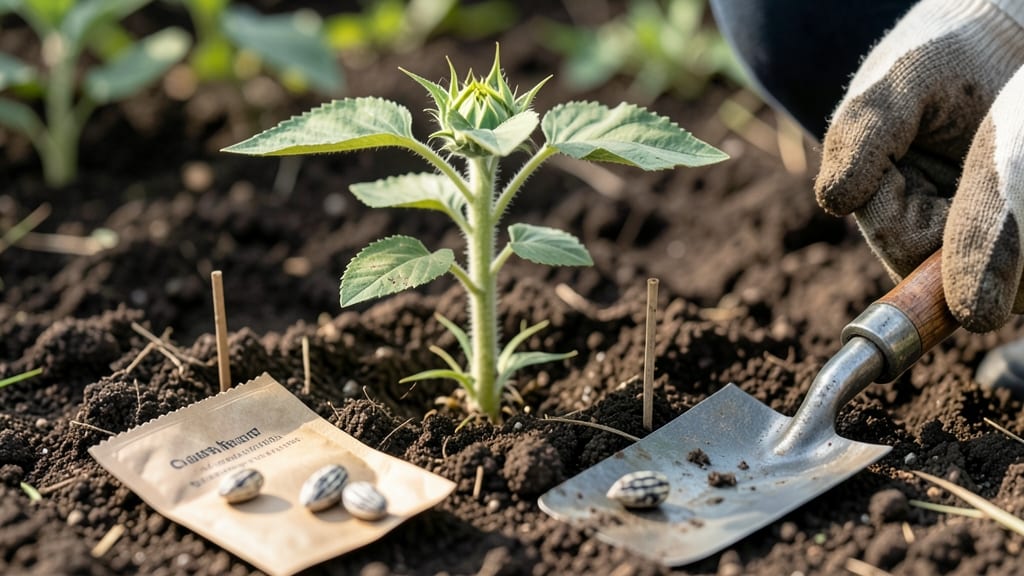
Sunflower seeds take between 7 and 14 days to sprout under ideal conditions, turning your garden bed into a sun-drenched display of green promise.
Watching sunflower seeds transform from tiny kernels into towering giants is one of gardening’s most exciting milestones—but timing is everything. If you’ve ever wondered why some seeds sprout in days while others take weeks, soil temperature holds the secret.
Too cold, and they’ll linger for weeks; too hot, and they might bolt before you even see a sprout. The key? Keeping that soil between 60°F and 80°F for consistent, speedy germination.
In this guide, I’ll break down the exact germination timeline by temperature, plus the 5 factors that make or break your sprouting success—and what to do if yours are taking longer than expected.
Sunflower germination timeline by soil temperature (days to first sprout)
Sunflower seeds are fast growers, but their germination speed depends almost entirely on soil temperature. While most gardeners expect sprouts in 7–14 days, the reality varies dramatically based on warmth. Understanding this timeline helps you plan your planting schedule and troubleshoot delays before they happen.
Cooler soil slows metabolism inside the seed, while warmth triggers enzymes that break down stored nutrients. At 50°F, germination can stretch to 21+ days, but at 86°F, those same seeds may sprout in just 3–5 days.
The difference isn’t just about waiting—it’s about creating the perfect conditions for your sunflowers to reach their towering potential.
To maximize your success, use a soil thermometer (just $10 at garden centers) to monitor warmth. Most sunflower varieties thrive when soil stays between 70°F–85°F during germination. Below 60°F, seeds may rot instead of sprout, while above 90°F, they can dry out too quickly.
| Soil Temp (°F) | Days to First Sprout | Germination Speed | Optimal Conditions |
|---|---|---|---|
| 50–59°F | 21–30+ days | Very Slow | Use black plastic mulch to warm soil |
| 60–69°F | 10–14 days | Slow | Plant in south-facing beds |
| 70–79°F | 5–9 days | Fast | Ideal for most sunflower varieties |
| 80–85°F | 3–6 days | Very Fast | Keep soil consistently moist |
| 86–90°F | 3–5 days | Fastest | Provide afternoon shade if extreme |
For the fastest results, aim to plant when soil temperatures consistently reach 70°F or warmer. In cooler climates, use row covers or black plastic mulch to raise soil warmth by 5–10°F.
I’ve seen Russian Mammoth seeds sprout in just 4 days when planted in 82°F soil—the same seeds took 18 days in 60°F soil.
Pro tip: If you’re starting seeds indoors, place them on a seedling heat mat ($15–$25) to maintain 75–80°F soil temps. This cuts germination time by nearly half compared to room-temperature starts. Just be sure to harden off seedlings gradually before transplanting to avoid shock.
Monitoring soil temperature is easier than you think. Simply press a thermometer into the soil 1 inch deep (where you’ll plant) and check readings in the late afternoon when soil is warmest. If temps dip below 65°F at night, consider delaying planting or using greenhouse trays for extra warmth.
Remember, consistency matters more than peak temps. Sunflower seeds need stable warmth—fluctuations between 50°F and 80°F can confuse the seed’s internal clock, leading to uneven sprouting. Once you’ve got your soil in the 70–85°F range, maintain even moisture (not soggy!) and watch those cotyledons emerge in record time.
For gardeners in USDA Zones 3–5, wait until after Memorial Day to plant outdoors—soil temps below 60°F will stall germination. In Zones 6–10, you can start as early as mid-April if you use warmth-boosting techniques like raised beds or cloches.
Finally, don’t forget that seed quality plays a role too. Old seeds (over 2 years) may take 2–3 extra days to sprout, even in perfect soil. Always buy fresh, untreated seeds from reputable suppliers like Baker Creek Heirloom Seeds or Burpee for the fastest germination.
5 Key factors that speed up or delay sunflower seed sprouting
While soil temperature is the most talked-about factor for sunflower germination, I’ve found that 5 other variables can either accelerate or stall your seeds. Even with perfect warmth, these overlooked details can turn your 7-day sprouting into a 3-week wait.
Let’s break down how to optimize each one for the fastest, healthiest starts.
First, moisture levels are non-negotiable. Sunflower seeds need consistent dampness but not soggy soil—think of a well-wrung sponge. Overwatering suffocates them, while too little causes them to dry out before sprouting. I’ve seen seeds take twice as long to crack open when the soil was just slightly too dry.
Aim for 1 inch of water per week, keeping the top inch of soil moist but never waterlogged.
Next, seed depth plays a surprising role. Planting too deep (over 1.5 inches) forces seedlings to struggle upward, delaying emergence by 3-5 days. But planting too shallow (0.5 inches) exposes them to drying winds.
My sweet spot? 1 inch deep, firming the soil gently around them to ensure good contact without compaction.
Light exposure might seem counterintuitive—sunflowers don’t need light to germinate—but weak seedlings often result from seeds planted too deep in dark soil. While they’ll sprout in the dark, I’ve noticed paler, leggier sprouts when they’re buried under thick mulch or in shaded trays. Once your seeds crack open, move them to bright, indirect light (or a grow light) to prevent etiolation (those weak, stretched stems).
Don’t overlook seed viability, either. Seeds older than 2 years can take 50% longer to sprout—or worse, fail entirely. I learned this the hard way with a 2018 seed packet that yielded only 30% germination.
Always check the packaging date and opt for heirloom or organic seeds from trusted sellers. A quick float test (soak seeds in water—viable ones sink) can save you weeks of waiting.
Lastly, soil composition often gets overlooked in favor of temperature and moisture. Sunflowers despise compacted or waterlogged soil, which can delay sprouting by up to 10 days. Before planting, amend your soil with compost or aged manure to improve drainage.
If your garden has clay-heavy soil, mix in coarse sand or perlite to create air pockets for roots. A simple soil test (pH 6.0–7.5 is ideal) ensures your seeds have the perfect foundation to burst through.