
Watering
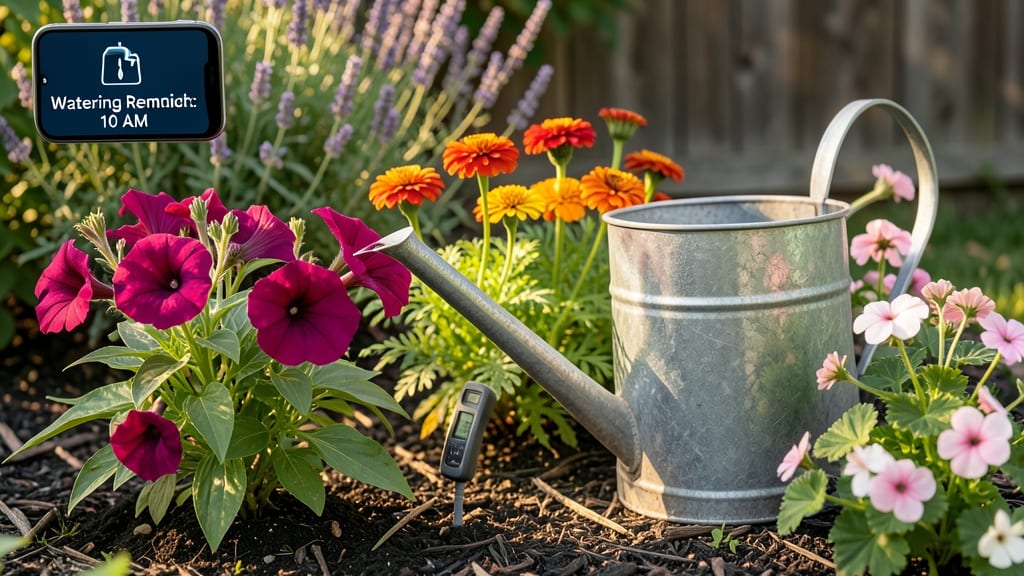
Watering outdoor flowers the right way means knowing how often to water them—not just dumping water and hoping for the best.
Overwatering or underwatering your outdoor flowers can turn a vibrant garden into a sad, wilted mess—yet most gardeners guess rather than measure their plants' true needs. The secret to lush blooms lies in understanding when your flowers actually crave hydration, not just how much you pour.
From sun-loving roses to drought-tolerant lavender, every type of flower has its own rhythm. A quick soil check with your finger can tell you more than any calendar ever could—saving you time, water, and frustration.
In this guide, I’ll break down the science behind watering schedules, seasonal adjustments, and how to spot the signs of thirsty (or waterlogged) soil before it’s too late.
The 5-Step soil test method to determine flower watering frequency
Forget the calendar-based watering rules you’ve been following—your flowers don’t care about days of the week, they care about soil moisture. My 5-step finger test reveals exactly when your plants need hydration, saving you from both soggy roots and wilting petals.
This method works for annuals like marigolds and perennials like lavender, adapting to your local climate.
The key is checking 3 soil factors: depth, color, and texture. Start by sticking your finger 1-2 inches deep—this is where most flower roots thrive. If the soil feels dry at this level, it’s time to water.
For container flowers, check 1 inch deep since they dry out faster. This simple test eliminates guesswork and prevents overwatering, which is the #1 killer of outdoor blooms.
🌱
| Soil Condition | Watering Action | Example Flower Types |
|---|---|---|
| Dry 1-2" deep | Water deeply (15-30 mins) | Roses, Petunias, Geraniums |
| Moist 1" deep, dry 2" | Light watering (10 mins) | Lavender, Salvia, Yarrow |
| Wet 2" deep | Skip watering | Succulents, Sedum, Echinacea |
| Clay soil (stays wet) | Water every 5-7 days | Hydrangeas, Peonies |
| Sandy soil (dries fast) | Water every 1-2 days | Zinnias, Cosmos |
Step 1: Morning is best—check soil moisture before 10 AM. Early watering prevents fungal diseases like powdery mildew, which thrives in damp leaves. If your flowers are thirsty varieties (like hydrangeas), you’ll water more frequently, but drought-tolerant types (like blanket flower) need less.
Step 2: Color matters. Dark, crumbly soil means it’s dry and needs water. If it’s light and clumps when squeezed, hold off. For container gardens, lift the pot—if it’s light, water immediately. Pro tip: Use a moisture meter for accuracy, especially in hot climates where evaporation speeds up.
Step 3: Texture test. Squeeze a handful of soil—if it crumbles easily, it’s dry. If it sticks together like wet sand, it’s too moist. Annual flowers (like impatiens) need consistent moisture, while perennials (like coneflowers) can handle brief dry spells. Adjust your schedule based on what you feel.
Step 4: Climate adjustments. In arid zones, water daily in summer but reduce to every 3 days in spring/fall. Humid areas? Check soil every 2-3 days—excess moisture causes root rot. Mulch heavily (2-3 inches) to retain moisture and regulate temperature, which cuts watering needs by 30-50%.
Step 5: Observe your flowers. Drooping leaves by noon? Time to water. Yellowing leaves mean overwatering. Crispy edges signal underwatering.
Keep a watering journal to track what works—my roses needed water every other day in July, but my lavender only needed it once a week, even in heat.
💧
Remember: Deep watering (15-30 minutes) encourages roots to grow downward, while shallow watering keeps them near the surface, making plants more vulnerable to drought. For newly planted flowers, water daily for the first 2 weeks to help roots establish.
After that, let your soil test guide you—your flowers will thank you with bigger blooms and longer seasons.
Watering schedules by flower type: a seasonal breakdown
Not all flowers thirst the same way—some like their soil damp like a morning dew, while others prefer it bone-dry between drinks. The key to keeping your garden thriving is matching your watering schedule to your plants' natural needs.
For example, roses and hydrangeas demand regular hydration, while lavender and impatiens can handle more drought. Seasonal shifts also play a role: summer heatwaves demand extra attention, while winter dormancy means pulling back.
Container plants, with their limited soil volume, dry out faster than in-ground flowers, often needing water twice daily during peak summer. Meanwhile, shade-dwelling flowers like impatiens sip water more slowly than sunbathers like roses.
Let’s break down the ideal watering rhythms for your top garden stars—so you can stop guessing and start growing.
| Flower Type | Seasonal Schedule | Container Adjustments | Signs of Stress |
|---|---|---|---|
| Sun-Loving Roses |
|
Water every 1-2 days in summer; check soil daily. | Wilted leaves (underwatered), yellow leaves (overwatered) |
| Shade-Dwelling Impatiens |
|
Water daily in summer—containers dry out fast. | Drooping stems (underwatered), mushy roots (overwatered) |
| Drought-Resistant Lavender |
|
Water every 3-4 days in summer; avoid soggy soil. | Brown leaf tips (underwatered), root rot (overwatered) |
| Thirsty Hydrangeas |
|
Water every 1-2 days in summer; mulch heavily. | Drooping blooms (underwatered), yellow stems (overwatered) |
For roses and hydrangeas, morning watering is critical—it prevents fungal diseases by letting foliage dry before nightfall. In contrast, lavender and impatiens hate soggy roots, so always prioritize well-draining soil.
During summer heatwaves, increase frequency by 30-50% and water deeply to encourage deep root growth. Mulch with 2-3 inches of organic material to retain moisture and regulate soil temperature.
Winter care varies wildly: roses and hydrangeas can handle reduced watering, while impatiens (often annuals) won’t survive frost. For container plants, move them to a sheltered spot or use frost blankets.
Pro tip: Group plants with similar water needs together to streamline your routine. This "hydration zoning" saves time and keeps your garden looking its best year-round.
Remember, soil type matters too—sandy soil drains faster than clay, so adjust accordingly. Stick your finger 1-2 inches into the soil before watering: if it feels dry, it’s time. By tailoring your watering to these seasonal rhythms, you’ll nurture stronger roots, bigger blooms, and fewer wilted casualties.