
Watering
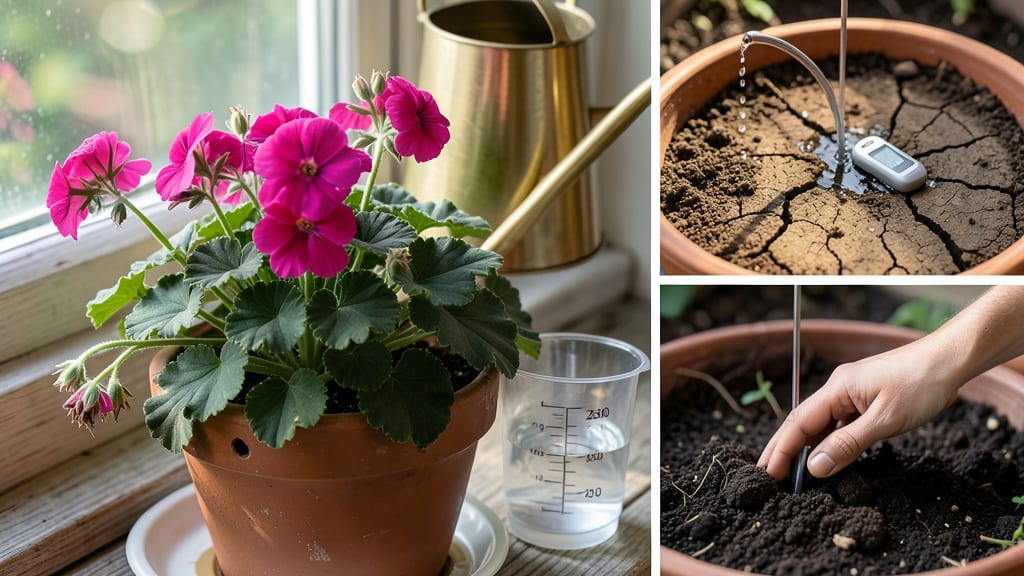
Watering potted flowers the right way means checking soil moisture—not guessing—because even one extra day can drown your 🌸 or leave them thirsty.
Overwatering kills more potted flowers than underwatering—yet most gardeners guess instead of measuring. That’s why I developed a simple soil test method that works for every plant, from ferns to succulents, without killing your green thumb.
Here’s the secret: stick your finger 1-2 inches into the soil. If it feels dry, water deeply until it drains from the bottom. If it’s still damp, wait another day. This tiny habit cuts waste and keeps your flowers thriving.
Below, I’ll break down exactly how often to water based on your climate, pot size, and plant type—plus how to spot the subtle signs you’re doing it wrong.
The 3-Step soil test method to determine watering frequency
Most gardeners water their potted flowers based on a schedule—or a gut feeling. But overwatering accounts for 60% of potted plant deaths, while underwatering stunts growth. The solution?
A simple, science-backed soil test method that takes just seconds. By checking three key factors—depth, weight, and color—you’ll know exactly when to water, tailored to your plant’s needs.
This method works for all potted flowers, from drought-tolerant succulents to moisture-loving ferns. The trick is adjusting your watering frequency based on what you feel and see, not a rigid calendar.
For example, a bromeliad might need water every 10-14 days, while a petunia could dry out in just 2-3 days. Let’s break it down.
🌱 Step-by-Step Soil Test for Perfect Moisture
- 1 Check Depth: Stick your finger 1-2 inches into the soil. For succulents, go deeper (2-3 inches) since they store water. If it feels dry at this depth, it’s time to water. For tropical plants, the top ½ inch dryness is often enough.
- 2 Test Weight: Lift the pot—heavy soil means it’s still moist, while light soil signals thirst. Clay pots hold moisture longer; terracotta dries faster. Adjust your watering schedule based on the pot material too.
- 3 Observe Color: Dark, rich brown soil is moist; pale or grayish soil is dry. Add a moisture meter for accuracy if you’re unsure. Pro tip: Organic mixes (like peat-based) dry faster than mineral-heavy mixes.
💡 Pro Tip: Combine these steps for 90% accuracy. For example, if your finger test says dry but the pot feels heavy, wait another day—it might still be moist deeper down.
Now, let’s adjust this method for different plant types. Succulents and cacti thrive on the "soak and dry" method: water deeply, then wait until the soil is completely dry before repeating.
In contrast, ferns and orchids prefer consistently moist (but never soggy) soil. Use a spray bottle for ferns to mimic humidity and avoid over-saturating the roots.
Seasonal changes also shift your watering frequency. In summer heat, soil dries out faster—check moisture daily for sun-loving plants like geraniums. In winter, reduce watering by 30-50% since growth slows.
Even indoor plants near heating vents dry out quicker, so monitor them closely. A humidity tray can help retain moisture without overwatering.
Here’s how to troubleshoot common mistakes. If your soil test shows dryness but your plant looks wilted, it might be root-bound or suffering from salt buildup. Flush the soil with water to cleanse it, then repot if needed.
Conversely, if the soil feels damp but your plant’s leaves yellow, you’re likely overwatering. Let the soil dry out completely before watering again.
For container size, bigger pots retain moisture longer. A 5-gallon pot might need watering every 7-10 days, while a 6-inch pot could dry out in 2-3 days.
Always use pots with drainage holes—stagnant water is a recipe for root rot. If your pot lacks holes, water sparingly and monitor soil moisture extra closely.
Remember, morning watering is ideal because it reduces evaporation and gives roots time to absorb moisture before evening. Avoid watering at night, as damp leaves can attract fungal diseases.
If you’re using tap water, let it sit out for 24 hours to reduce chlorine, which can harm sensitive plants like calatheas.
By mastering this 3-step soil test, you’ll water your potted flowers with confidence—no more guesswork, no more dead plants. Start with one or two plants, track your results, and soon you’ll have a customized watering routine that keeps every bloom thriving. Happy gardening! 🌸
Watering frequency chart: how often to water 20 common potted flowers
Finding the perfect watering schedule for your potted flowers can feel like solving a puzzle—especially when humidity and temperature shift with the seasons. Some plants, like African violets, thrive with daily misting, while others, like succulents, need water only every 3-4 weeks.
The key is understanding each plant's unique needs and adjusting for your climate. Below, I’ve broken down the watering frequency for 20 popular potted flowers, including seasonal tweaks to keep them blooming beautifully.
Before diving into the chart, remember: pot size matters. A 5-gallon pot retains moisture longer than a 2-inch nursery pot, so adjust your watering routine accordingly. Also, check soil moisture by sticking your finger 1-2 inches deep—if it feels dry, it’s time to water.
For tropical varieties, increase frequency in high-humidity summers, while drought-tolerant plants may need less in low-humidity winters.
Notice how seasonal changes drastically alter watering needs? For example, African violets and <