
Flowers
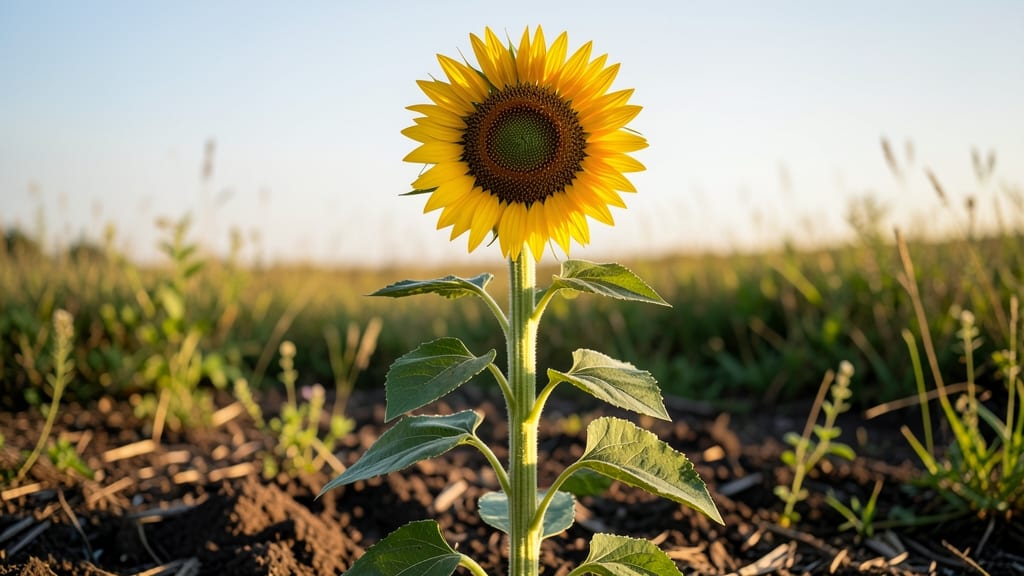
Sunflowers can grow anywhere from 2 feet to towering 16 feet tall, depending on the variety and growing conditions.
Imagine planting a seed in spring and watching it shoot up into a giant that rivals your fence line—or worse, topples over in a summer storm. The height of your sunflowers isn’t just about aesthetics; it determines spacing, support needs, and even whether they’ll survive winds in your zone.
Dwarf varieties like 'Teddy Bear' stay manageable at 3-4 feet, perfect for containers or small gardens, while giants like 'Mammoth Russian' reach 10-14 feet, demanding staking and wide-open space. Even standard types can vary by 4 feet based on soil, sunlight, and care.
In this guide, I’ll break down height ranges by variety, share tips for supporting tall stalks, and reveal the 5 factors that can stunt or supercharge growth—so you can plan your garden with confidence.


Sunflower height ranges by variety: from dwarf to giant
Choosing the right sunflower variety can transform your garden from a small backyard space to a towering floral display. Whether you're dreaming of giant sunflowers that reach for the sky or prefer compact varieties for containers, understanding height ranges helps with planning and care.
Most sunflowers fall into three categories: dwarf (1-3 ft), medium (4-8 ft), and giant (9-16 ft), each with unique growing needs.
Sunflower height isn't just about aesthetics—it affects spacing requirements, wind resistance, and even pollination success. For example, a 12-foot 'Mammoth Russian' needs more space between plants than a 3-foot 'Teddy Bear', which thrives in tight clusters.
Let’s explore the height spectrum so you can pick the perfect variety for your space and goals.
🌻 PRO TIP: Always check seed packets for mature height estimates, as environmental factors can influence growth by up to 20%.
| Variety Type | Height Range | Ideal Spacing | Support Needed | Best For |
|---|---|---|---|---|
| Dwarf | 1–3 ft | 12–18 inches apart | None (compact) | Containers, borders, pollinators |
| Semi-Dwarf | 3–5 ft | 18–24 inches apart | Optional (light staking) | Cut flowers, small gardens |
| Standard | 5–8 ft | 24–36 inches apart | Staking recommended | Cut arrangements, privacy screens |
| Giant | 9–16 ft | 3–5 ft apart | Heavy-duty support | Statement plants, large spaces |
| Popular Cultivars: 'Teddy Bear' (3–4 ft), 'Moulin Rouge' (5–7 ft), 'Russian Giant' (10–14 ft) | ||||
If you're growing dwarf sunflowers like 'Little Becka' or 'Teddy Bear', you’ll love their childlike charm and ability to thrive in containers or tight spaces. These varieties typically reach 1–3 feet tall and are perfect for pollinator gardens or adding height to window boxes.
Their compact size also makes them ideal for urban gardeners with limited room.
For medium-height sunflowers (4–8 feet), varieties like 'Moulin Rouge' or 'Autumn Beauty' strike a balance between garden presence and manageable care. These sunflowers need slightly more spacing (18–24 inches) and may benefit from light staking if grown in windy areas.
They’re fantastic for cut flower arrangements and attract bees and birds with ease.
When it comes to giant sunflowers, the 'Mammoth Russian' variety is a crowd-pleaser, often topping out at 10–14 feet. These sun-loving giants require ample space (3–5 feet apart) and heavy-duty support to prevent toppling.
They’re best suited for large gardens or rural settings where their towering presence can be fully appreciated.
Did you know? The tallest sunflower ever recorded reached 25 feet in 2021, but most garden varieties max out at 12–16 feet. To encourage maximum height, ensure your sunflowers get full sun (6+ hours daily) and well-draining soil rich in nutrients. Overcrowding or poor soil can stunt growth significantly.
For container gardening, stick to dwarf or semi-dwarf varieties like 'Puck' or 'Sunspot', which thrive in 5-gallon pots with proper drainage. Larger varieties need ground planting due to their extensive root systems and weight. Always use lightweight potting mix to prevent containers from tipping over.
🌱 GARDENING TIP: If you're growing tall sunflowers near fences or walls, plant them on the north side to prevent shading smaller plants. Their height can create a natural windbreak, protecting other garden areas from strong gusts.
How sunflower height affects garden planning and support needs
When planning your garden, sunflower height plays a crucial role in determining spacing, sunlight exposure, and even structural support.
A 3-foot dwarf variety like 'Teddy Bear' fits neatly in containers, while a 12-foot giant like 'Mammoth Russian' needs careful placement to avoid shading smaller plants or becoming a wind hazard. Understanding these differences helps you create a balanced, thriving garden layout.
Taller sunflowers also influence watering needs and pollination efficiency. Their deeper root systems access moisture better, but their height can make watering tricky—especially in windy conditions. Meanwhile, shorter varieties often attract more pollinators due to their accessible flower heads, which can boost seed production if that's your goal.
⚠️ Top-Heavy Risks: When Sunflowers Become Dangerous
Sunflowers over 6 feet tall often develop top-heavy growth, making them prone to tipping in wind or rain. Varieties like 'American Giant' (10-12 ft) or 'Russian Giant' (14+ ft) can uproot easily if not secured. Even 4-6 foot varieties may need staking if grown in loose soil or exposed areas.
Action Tip: Bury stakes 18-24 inches deep at planting for tall varieties, or use wide-base cages for wind-prone gardens. Check stability weekly as plants mature.
For garden spacing, dwarf sunflowers (under 3 feet) can be planted 12-18 inches apart in rows, while standard varieties (6-8 feet) need 2-3 feet between plants to prevent competition.
Giant sunflowers should have 4-5 feet of clearance on all sides—both for their own growth and to avoid overshadowing nearby vegetables or flowers.
Support systems vary by height: Dwarf varieties rarely need help, but tall sunflowers benefit from staking or trellis training. I recommend bamboo stakes for single plants and tomato cages for clusters.
For windy areas, consider windbreaks or guy wires to prevent damage. Even "self-supporting" varieties may lean if grown in poor soil.
Height also affects sunlight exposure at the base. Taller sunflowers cast deep shadows, which can stunt nearby seedlings. To mitigate this, plant shorter varieties on the north side of taller ones or intersperse them with low-growing companions like marigolds or basil. Rotate crops annually to balance sunlight distribution.
Remember, sunflower height isn't set in stone—environmental factors like soil nutrients and water availability can influence growth by up to 20% in extreme cases. Regular mulching and consistent watering help maximize a plant's genetic potential, while poor conditions may result in shorter-than-expected stems.
Monitor your plants and adjust care as they grow!