
Size
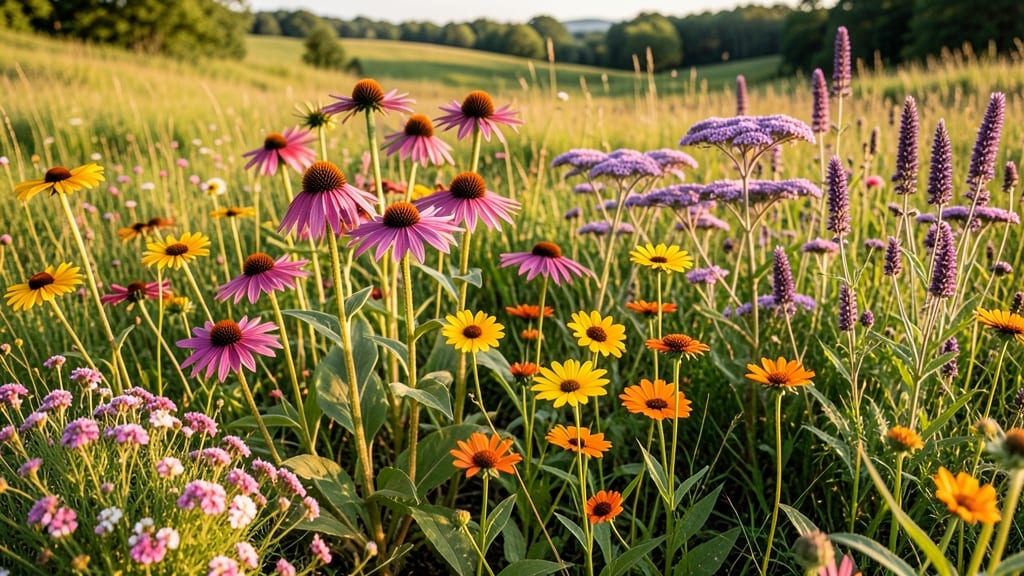
How tall do wildflowers grow? Their heights range from just 6 inches to over 6 feet, depending on the species and growing conditions.
Imagine a backyard bursting with color—towering sunflowers nodding in the breeze, delicate black-eyed Susans swaying in the wind, and clusters of milkweed attracting butterflies. But here’s the catch: planting the wrong height in the wrong spot can turn your dream garden into a chaotic mess.
Sunflowers and giant fleabane can reach 6 feet or taller, making them perfect for borders or the back of a pollinator garden. On the other hand, dwarf varieties like Baby’s Breath or Sweet Alyssum stay under 2 feet, ideal for edging pathways or container gardens.
Knowing these ranges helps you design a garden that thrives without crowding out smaller plants.
Below, I break down the height ranges of popular wildflowers, how planting zones affect growth, and practical tips to ensure your wildflowers reach their full potential without overpowering your space.


Wildflower height ranges by variety: short vs tall options for every garden
Choosing wildflowers based on height is one of the easiest ways to design a stunning, functional garden. Dwarf varieties create perfect borders or container displays, while tall species add drama as focal points.
The key is matching each plant’s mature height to your space—whether it’s a small balcony or a wildflower meadow. Below, we break down the most popular wildflowers by their height ranges, including pollinator favorites and space-saving picks for containers.
Most wildflowers fall into three height categories: dwarf (under 2 ft), medium (2–4 ft), and tall (4+ ft). Understanding these ranges helps you avoid overcrowding or underutilizing space.
For example, Baby’s Breath (a dwarf favorite) thrives in tight spots, while Sunflowers need room to stretch toward the sky. Let’s explore the best options for each category, along with their ideal uses in your garden.
🌱 Pro Tip: Always check seed packets for mature height—some varieties, like Coneflowers, can grow taller than expected if given rich soil and full sun.
For small gardens or container planting, stick to dwarf varieties like Sweet Alyssum or Baby’s Breath. These thrive in pots and add delicate texture without overwhelming your space. In contrast, Sunflowers and Milkweed make bold statements in larger areas, drawing pollinators and adding vertical interest.
If you’re designing a pollinator garden, prioritize medium-height flowers like Coneflowers and Black-Eyed Susans. They offer nectar and shelter for bees, butterflies, and birds while keeping your space balanced. Pair them with taller varieties like Sunflowers at the back for a layered effect.
💡 Design Tip: Group wildflowers by height to create natural tiers. Place tall varieties at the back, medium-height in the middle, and dwarf species in the front or edges. This trick makes even small gardens look lush and intentional.
One of my favorite combinations for a low-maintenance border is Sweet Alyssum (front), Coneflower (middle), and Sunflowers (back). The contrast in heights adds depth, while all three attract pollinators. Plus, they’re all drought-tolerant, so once established, they require minimal watering.
For urban gardens or balconies, consider vertical gardening with tall wildflowers. Use trellises or tall containers to grow Sunflowers or Cosmos upward, saving floor space. Just ensure your container has drainage holes
How planting zones affect wildflower height and growth habits
Your USDA planting zone plays a surprisingly big role in how tall wildflowers grow. Cold northern zones often produce taller, hardier varieties that store energy for winter survival, while southern climates favor dwarf, heat-tolerant species that thrive in intense sunlight.
Understanding these patterns helps you select wildflowers that will reach their full potential in your specific region.
For example, giant fleabane (Conyza canadensis) can tower to 6 feet tall in USDA zones 3-5, while the same species might only reach 3 feet in zone 8 due to heat stress.
Meanwhile, blanket flower (Gaillardia) stays compact at 1-2 feet in southern zones but may stretch taller in cooler northern climates.
| Zone Range | Cold-Hardy Tall Varieties | Heat-Tolerant Dwarf Species | Height Difference |
|---|---|---|---|
| Zones 3-5 | Sunflower (Helianthus), Giant Fleabane (6 ft) | N/A | +3 ft in cooler climates |
| Zones 6-7 | Black-Eyed Susan (4 ft), Coneflower (3-4 ft) | Blanket Flower (1-2 ft), Lantana (1-2 ft) | +2 ft for tall varieties |
| Zones 8-10 | N/A | Mexican Sunflower (2-3 ft), Zinnia (1-2 ft) | Dwarf varieties stay <1 ft shorter |
In northern zones (3-5), focus on tall, cold-resistant wildflowers like sunflowers and goldenrod, which can reach 5-6 feet and provide winter interest. These varieties store energy in their deep roots, allowing them to rebound after harsh winters.
For containers or small spaces, opt for dwarf varieties like Baby's Breath (Gypsophila), which stays under 1 foot but thrives in cooler temperatures.
Southern gardeners in zones 8-10 should prioritize heat-tolerant dwarf species such as Mexican Sunflower (Tithonia) or Lantana, which rarely exceed 2 feet but bloom prolifically in 100°F+ temperatures. These varieties often have thicker waxy leaves to retain moisture and shorter stems to avoid heat stress.
For pollinator gardens, mix dwarf coreopsis (1-2 ft) with tall milkweed (3-5 ft) to create vertical layers that attract bees and butterflies at all heights.
Even within the same species, growth habits shift by 500+ feet in elevation. For instance, purple coneflower (Echinacea) grows 3-4 feet tall in zone 5 but may only reach 2 feet in zone 7 due to summer heat.
Always check local nursery recommendations—they’ll know which varieties perform best in your microclimate. Pro tip: Mulch heavily in northern zones to protect shallow-rooted wildflowers from freeze-thaw cycles that can stunt growth.
Remember, height isn’t everything—growth habits matter too. Spreading varieties like creeping phlox stay low but spread 3-4 feet wide, while tall grasses like switchgrass might only reach 4 feet but create dramatic vertical interest.
Balance your design by pairing tall backdrops with low ground covers for a natural, layered look that thrives in any zone.