
Blooming
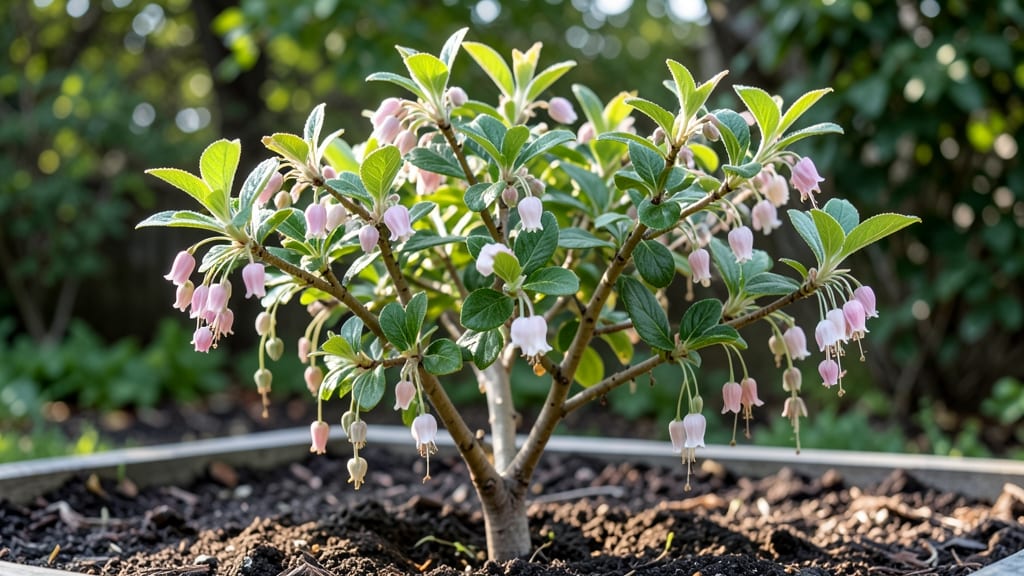
Blueberries flower when they receive enough chilling hours and warm spring temperatures — typically between late April and early June in most USDA zones.
Those delicate white or pink clusters signal the start of a 60- to 120-day journey to harvest, but timing varies wildly depending on where you live. In Zone 6, expect blooms around mid-May, while Southern gardeners might see them as early as March.
This guide breaks down the exact flowering windows by region, plus the key factors that push blooms earlier or delay them—so you can set your expectations and plan for the best yields.
You’ll also learn how to spot when your bushes are about to burst into bloom, what to do if flowers appear too late, and how soil pH and pruning can fine-tune your plant’s schedule.
Blueberry flowering timeline by USDA hardiness Zones
Blueberry bushes burst into stunning white or pink blooms each spring—but timing varies dramatically by USDA hardiness zone and variety type.
Northern gardeners in Zones 3-5 often see flowers as early as late April to May, while Southern gardeners in Zones 8-10 may enjoy blooms as early as February. Understanding these regional differences helps you anticipate flowering, plan for frost protection, and optimize fruit production.
Most blueberry varieties require chilling hours (300-1,000+ hours below 45°F) to trigger flowering, which explains why Southern varieties bloom earlier than Northern ones. Early bloomers like 'Duke' and 'Premier' often flower first, while late varieties like 'Bluecrop' and 'Jersey' follow suit 2-4 weeks later.
Below is a detailed breakdown to help you predict blooming in your area.
| USDA Zone | Typical Bloom Window | Early Varieties | Mid-Season Varieties | Late Varieties | Key Notes |
|---|---|---|---|---|---|
| Zones 3-4 | Late April - Early May | 'Jersey', 'Patriot' | 'Bluecrop', 'Duke' | 'Earliblue' | High frost risk; protect blooms |
| Zones 5-6 | Mid-April - Late May | 'Duke', 'Premier' | 'Bluecrop', 'Brigitta' | 'Spartan' | Moderate frost risk; staggered blooming |
| Zones 7-8 | February - March | 'Climax', 'Centennial' | 'O'Neal', 'Chandler' | 'Top Hat' | Minimal frost risk; early harvests |
| Zones 9-10 | January - February | 'Misty', 'Rabbiteye' | 'Aureole', 'Gulfcoast' | 'Sharpblue' | Year-round growth; multiple flushes |
In Zones 3-4, where late frosts are common, early bloomers like 'Jersey' and 'Patriot' often suffer damage if temperatures dip below 28°F. To protect your bushes, cover them with frost cloth or use row covers during late spring frosts.
Southern gardeners in Zones 9-10 enjoy the advantage of earlier blooming and often see multiple flowering cycles throughout the year.
If you live in Zone 5 or 6, where blooming spans from April to May, consider planting a mix of early, mid, and late varieties to extend your harvest season. For example, 'Duke' (early) and 'Bluecrop' (mid-season) together ensure berries ripen over a 6-8 week period.
This staggered approach also reduces the risk of losing your entire crop to a single late frost.
Regional microclimates can shift blooming times by 1-3 weeks. Coastal areas in Zone 7 (e.g., Georgia or South Carolina) often bloom 2 weeks earlier than inland regions due to milder winters.
Similarly, high-elevation gardens in Zone 6 (e.g., Colorado or New Mexico) may see delayed blooming until late May due to cooler temperatures.
Blueberry flowering is also influenced by soil temperature. Warmer soils in Southern states trigger blooming as early as January, while Northern soils may not reach the 40°F threshold until April or May.
To encourage earlier blooming in cooler climates, mulch your bushes with straw or pine needles in late fall to insulate the roots and maintain consistent soil temperatures.
Once you know your expected bloom window, you can plan for pollination support. Blueberries are self-pollinating, but planting multiple varieties ensures better fruit set. For example, 'Bluecrop' (mid-season) pairs well with 'Duke' (early) to maximize cross-pollination.
Bees and other pollinators are most active during 60-75°F days, so avoid using pesticides during the flowering period.
After blooming, blueberries take 60-90 days to mature. Early bloomers like 'Duke' in Zone 6 typically produce fruit by early July, while late bloomers like 'Bluecrop' may not ripen until August. Use this timeline to schedule harvesting tasks, such as installing bird
How climate and variety affect blueberry flowering times
Blueberry flowering times aren't set in stone—they depend on two critical factors: your local climate and the specific variety you grow.
In colder northern regions like USDA Zone 4, blooms typically appear in late April to early May, while warmer southern zones (Zone 8+) may see flowers as early as February or March.
This variation stems from how many chilling hours (below 45°F) each variety needs to break dormancy.
For example, northern highbush varieties like 'Bluecrop' require 800-1,000 chilling hours, while southern varieties such as 'Climax' thrive with just 300-500 hours. Planting the wrong variety in your zone can delay—or even prevent—flowering entirely.
I once planted 'Duke' (a southern variety) in my Zone 5 garden and waited in vain for blooms until I switched to 'Jersey'—a perfect match for my climate.
| Variety | Chilling Hours Needed | Typical Bloom Time (Zone 6) | Heat Requirements |
|---|---|---|---|
| Bluecrop (Northern Highbush) | 800-1,000 hrs | Late April - Early May | Moderate (60-80°F) |
| Duke (Southern Highbush) | 300-500 hrs | February - March | High (70-90°F) |
| Jersey (Midseason) | 600-800 hrs | Early May | Moderate (65-85°F) |
| Top Hat (Dwarf) | 700-900 hrs | Late April | Moderate (60-80°F) |
Heat also plays a crucial role. Most blueberries need consistent temperatures between 60-85°F to set fruit after flowering. If spring arrives too early with unseasonably warm days, buds may open prematurely and get damaged by late frosts—a common issue in Zone 6 gardens.
To mitigate this, I've started using frost cloth on my 'Bluecrop' bushes when nighttime temps drop below 28°F during bloom.
Variety selection is equally important. Early bloomers like 'Duke' produce fruit in June or July, while late varieties such as 'Patriot' ripen in August or September. This staggered timing helps extend your harvest season.
I planted both 'Bluecrop' and 'Jersey' in my garden to ensure a 6-week harvest window—a game-changer for fresh blueberry muffins and preserves!
Adjusting your planting strategy can also optimize flowering. If you live in a warmer climate (Zones 7-10), choose varieties with lower chilling requirements like 'Misty' or 'O'Neal'. Conversely, gardeners in colder zones (3-5) should opt for varieties like 'Earliblue' or 'Chester', which thrive with more than 1,000 chilling hours.
Always check the USDA zone range listed for each variety before purchasing.
Finally, remember that soil temperature matters too. Blueberry roots need to warm up to 50°F or above before flowering can proceed. In cooler climates, mulching with straw or pine needles helps regulate soil temperature and encourages consistent blooming.
With the right variety and a little climate-conscious care, you'll enjoy abundant blueberry flowers—and fruit!—year after year. 🌱🫐