
Flowers
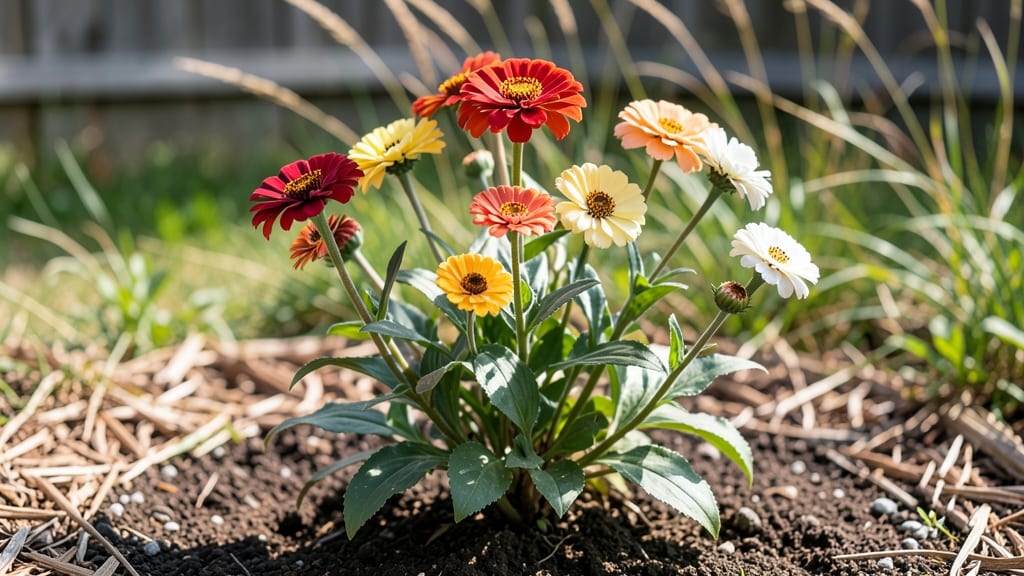
Zinnia flowers grow anywhere from 6 inches to over 4 feet tall, depending on the variety you choose — a range that lets you fit them into almost any garden spot.
Picture this: a dwarf zinnia like 'Thumbelina' spilling over a container, while 'Benary’s Giant' towers above your head in a border bed. That’s the beauty of zinnias — they adapt to your space, not the other way around.
But height isn’t just about aesthetics. The right variety can mean the difference between a crowded flower bed and a show-stopping vertical display. Sunlight, soil, and even how often you prune can tweak a plant’s final stature, so choosing wisely saves you from surprises.
Below, I’ll break down the height ranges by type, share tips to control growth naturally, and help you pick the perfect zinnias for your garden’s layout — whether you’re dreaming of a whimsical cottage border or a cut-flower powerhouse.


Zinnia height ranges by variety: from dwarf to towering giants
Zinnias offer a stunning range of heights, making them incredibly versatile for any garden design. Whether you're creating a colorful border, filling containers on patios, or harvesting cut flowers, choosing the right variety ensures your zinnias thrive in their intended space.
The height of your zinnias depends entirely on the cultivar you select, with some varieties staying under a foot while others reach towering heights of nearly five feet!
Understanding these height differences helps you plan spacing, support structures, and companion plants. For example, dwarf varieties like 'Thumbelina' work beautifully in window boxes, while tall varieties like 'Benary's Giant' make dramatic focal points in the garden.
Let's explore the full spectrum of zinnia heights and their perfect uses in your landscape.
Here's a quick reference for zinnia height ranges, including popular varieties and their ideal applications:
If you're growing zinnias for cut flowers, taller varieties like 'Benary's Giant' or 'Super Big' will provide those long, sturdy stems perfect for bouquets. Their height also makes them excellent for backdrop planting in mixed borders or cottage-style gardens.
For container gardening, dwarf varieties like 'Thumbelina' or the 'Crystal' series are ideal—they stay compact and won't overwhelm smaller pots.
One of the most popular medium-height zinnias is the 'Profusion Series', which typically reaches 12-18 inches. These are perfect for mass plantings in garden beds or as border plants along walkways.
Their bushy growth habit also makes them great for pollinator gardens, as they attract bees and butterflies with their abundant blooms. The 'Persian Carpet' series, another medium-height variety, offers a unique double-flowered look that adds texture to any garden design.
For those with limited space, dwarf zinnias like 'Lilliput' or the 'Crystal' series are absolute game-changers. These varieties thrive in window boxes, hanging baskets, or even as fairy garden accents.
Their compact size also makes them ideal for rooftop gardens or small urban patios where space is at a premium. Plus, their shorter stature means they require less support and are easier to maintain in containers.
When planning your zinnia garden, consider the mature height alongside your garden's layout. Taller varieties may need staking or support, especially in windy locations, while dwarf varieties can often spill beautifully over container edges.
Always check the specific variety's height range on seed packets or plant tags, as some can vary slightly based on growing conditions. With zinnias, you truly have options for every garden space!
Remember that while these height ranges are typical, factors like sunlight exposure, soil quality, and pruning habits can influence how tall your zinnias grow.
For example, zinnias grown in poor soil conditions may stay shorter, while those with rich, well-draining soil and plenty of sun will often reach their full potential. In our next section, we'll explore how to naturally control zinnia height through proper care and pruning techniques.
🌸
How to control zinnia height naturally: pruning and care tips
If you've ever wondered why your zinnias seem stubbornly short or leggy, the answer often lies in how you care for them. Zinnias are incredibly adaptable, but their height depends heavily on pruning techniques, sunlight exposure, and soil quality.
With the right approach, you can coax your plants to reach their full potential—whether that means bushier dwarf varieties or towering cut-flower stalks.
One of the biggest myths about zinnias is that they grow to a fixed height regardless of care. In reality, poor soil or overcrowding can stunt growth, while proper deadheading and spacing encourage stronger stems.
Let’s explore how to naturally control your zinnia’s height using simple, effective methods that work for both garden beds and containers.
- 1. Deadhead Regularly – Removing spent blooms 2-3 times per week redirects energy to new growth, often increasing height by 10-20% in tall varieties. Use clean scissors to cut just above a leaf node.
- 2. Space Plants Properly – Dwarf zinnias need 6-8 inches apart, while tall varieties require 12-18 inches to avoid competition. Overcrowding forces plants to stretch upward weakly.
- 3. Provide Full Sun – Zinnias thrive with 6+ hours of direct sunlight. Inadequate light leads to leggy, weak stems and stunted growth. South-facing spots are ideal.
- 4. Use Well-Draining Soil – Compacted or nutrient-poor soil restricts root growth, limiting height. Amend with compost before planting to encourage deeper roots and taller stems.
- 5. Prune Strategically – Pinch back young plants at 6 inches tall to promote bushier growth. For taller varieties, prune side shoots to encourage vertical growth and prevent flopping.
Did you know that zinnias grown in containers often reach 20-30% less height than those in garden beds? This happens because container roots have less space to anchor.
To maximize height, choose large pots (12+ inches deep) and use a balanced fertilizer like 5-10-10 every 4-6 weeks during the growing season.
For taller varieties like 'Benary’s Giant,' stake plants early to prevent wind damage and encourage upward growth. Use soft ties or bamboo stakes to support stems without restricting airflow. This simple step can add 6-12 inches to your final height, especially in windy climates.
If your zinnias are already short, don’t despair—soil amendments and consistent watering can make a dramatic difference. Water deeply once a week (more in extreme heat) and avoid wetting foliage to prevent fungal diseases that weaken stems.
With these adjustments, you’ll see taller, healthier zinnias in just a few weeks.
Remember, the key to controlling zinnia height lies in balance. Too much pruning can reduce flowering, while neglect leads to weak growth. Experiment with these techniques to find what works best for your garden’s conditions—and enjoy those eye-catching blooms at the perfect height! 🌸