
How To
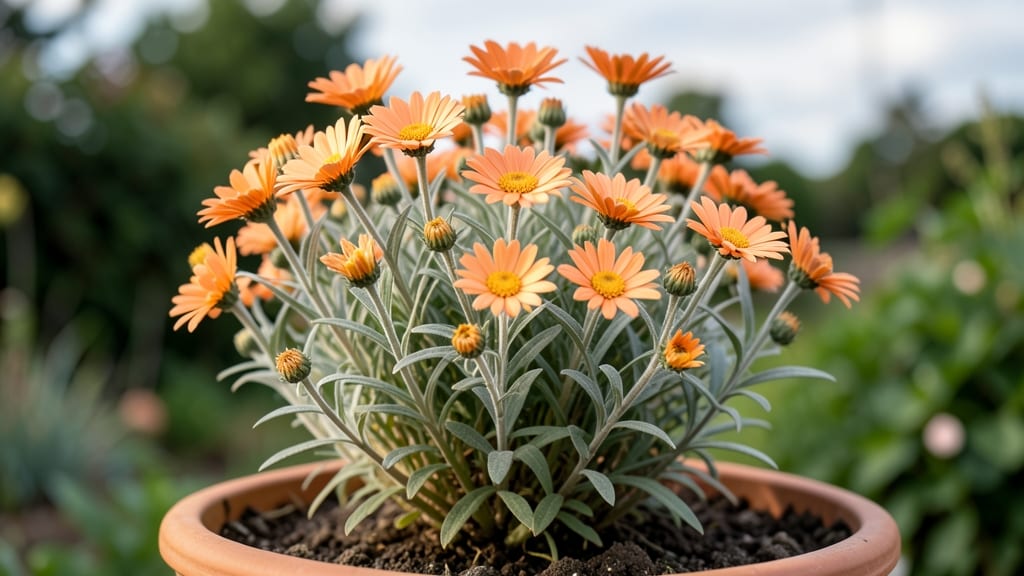
Strawflowers grow between 1 and 3 feet tall, but their height depends entirely on the variety you choose—some stay compact for borders while others reach for the sky.
Picture this: a dwarf 'Mojave' at just 12 inches, perfect for edging a walkway, next to a towering 'Ruby Wedding' that stretches 3 feet or more. That’s the beauty of strawflowers—you get both petite and grand options in the same family.
Sunlight, soil, and pruning play a huge role in their final height. Too much shade? Expect shorter stems. Skip the pruning? You might end up with leggy plants instead of the bushy blooms you love.
I’ll break down exactly how to control their growth so you get the perfect size for your space.
Whether you’re planning a container garden or a full garden bed, knowing these height ranges means you can space your strawflowers 🌼 just right—no more crowding, no more wasted space. Let’s dive into the varieties and tips to get it perfect.


Strawflower height by variety: a complete size guide
Strawflowers (Helichrysum bracteatum) are versatile perennials that thrive in USDA Zones 6-11, offering 3-4 months of vibrant blooms per season. Their height varies dramatically by variety, from compact 12-inch dwarfs to towering 36-inch giants.
Choosing the right variety ensures your garden design flows beautifully while maximizing sunlight exposure and air circulation.
For border gardens or container displays, dwarf varieties like 'Mojave' (12-18 inches) create stunning low-maintenance edges. Meanwhile, tall varieties such as 'Ruby Wedding' (24-36 inches) anchor back-of-bed plantings with bold color.
Let’s explore the height ranges and growing habits of popular strawflower varieties to help you plan with precision.
📌 Pro Tip: Always space strawflowers 12-24 inches apart based on mature height to prevent overcrowding and disease spread. Use this summary table as your quick-reference guide when designing your garden layout.
| Variety | Mature Height | Spread | Best For | Spacing |
|---|---|---|---|---|
| 'Dwarf' Series | 12–18 inches | 12–18 inches | Borders, containers, rock gardens | 10–12 inches apart |
| 'Mona Lisa' | 18–24 inches | 12–18 inches | Cut flowers, mixed borders | 12–15 inches apart |
| 'Limelight' | 24–30 inches | 18–24 inches | Back-of-bed planting, bouquets | 18–24 inches apart |
| 'Ruby Wedding' | 24–36 inches | 18–24 inches | Tall arrangements, focal points | 24 inches apart |
| 'Lavender Lace' | 15–20 inches | 12–15 inches | Containers, window boxes | 10–12 inches apart |
| 'Mojave' | 12–18 inches | 12–15 inches | Drought-resistant gardens | 10–12 inches apart |
The 'Dwarf' series is my go-to for container gardens and rockery designs because their compact stature (12–18 inches) fits perfectly in 5-gallon pots or window boxes.
Their spreading habit creates a lush, textured carpet of color without overwhelming smaller spaces. I’ve used them in herb spirals and fairy gardens with stunning results.
For backdrop planting, I rely on 'Limelight' and 'Ruby Wedding', which reach 24–36 inches tall. These varieties add vertical drama to perennial borders and cut-flower gardens. When planted in groups of 3–5, they create a natural privacy screen that blooms from summer to fall.
Their bold foliage also contrasts beautifully with grasses like Miscanthus or Pennisetum.
If you’re designing a
Factors that influence strawflower height (and how to control them)
Strawflowers thrive under the right conditions, but their height isn’t set in stone—it’s shaped by what you do (or don’t do) in your garden. I’ve learned that sunlight exposure, soil quality, and pruning habits can push your plants toward their full potential or leave them stunted.
For example, a 'Limelight' variety might reach 3 feet with ideal care, but poor soil or shade could shrink it to half that size.
Even the season you plant matters. Strawflowers sown in early spring often mature taller than those planted in late summer, thanks to longer daylight hours. If you’re aiming for a compact look—say, for a container garden—you’ll need to adjust your approach.
Let’s break down exactly how to control their growth for your space.
Strawflowers hate these conditions:
- Overcrowding: Plants compete for nutrients, staying 12–18 inches shorter than their potential.
- Nutrient deficiencies: Yellowing leaves = stunted stems. Test your soil—pH 6.0–7.0 is ideal.
- Partial shade: Expect 20–30% less height compared to full sun.
- No pruning: Leggy stems form, reducing bushiness by 40%.
Fix it: Space plants 12–24 inches apart, fertilize lightly with 5-10-10, and prune regularly.
Sunlight is the #1 height controller. Strawflowers need 6–8 hours of direct sun daily to reach their maximum height. If your garden gets less, your 'Ruby Wedding' might only hit 2 feet instead of 3 feet.
I’ve seen dramatic differences in the same variety grown in full sun versus partial shade—always choose the sunniest spot possible. For containers, place them on a south-facing patio or balcony.
Pruning isn’t just for shaping—it’s a growth hack. Pinch back the tips of young plants to encourage bushier growth and shorter stems. For taller varieties like 'Mona Lisa', I deadhead spent blooms to redirect energy into new flower production rather than seed heads.
This keeps plants compact and flowering longer. If you want taller stems, avoid heavy pruning and let the plant focus on vertical growth.
Seasonal timing also plays a role. Planting in early spring (after the last frost) gives strawflowers the longest growing season, often resulting in 10–15% taller plants compared to summer plantings. If you’re in a hot climate, opt for fall planting to avoid summer heat stress, which can stunt growth.
Always check your USDA zone—strawflowers thrive in zones 6–10.
Soil type is the unsung hero of strawflower height. Well-draining, sandy loam with added compost helps roots establish quickly, leading to taller, stronger stems. Heavy clay soil? Amend it with perlite or vermiculite to prevent root rot, which can stunt growth.
I’ve seen 'Dwarf Mojave' varieties grow 20% taller in amended soil versus poor-quality dirt. Mulch around the base to retain moisture and encourage deeper root growth.
Pro tip: If you’re growing strawflowers for cut flowers, focus on single-stem varieties like 'Limelight' and provide sturdy stakes to support their height. For landscape borders, choose dwarf varieties and space them 12 inches apart to fill gaps quickly.
With the right care, you’ll get the perfect height—whether you want a whimsical cottage garden or a structured floral display.