
Planting
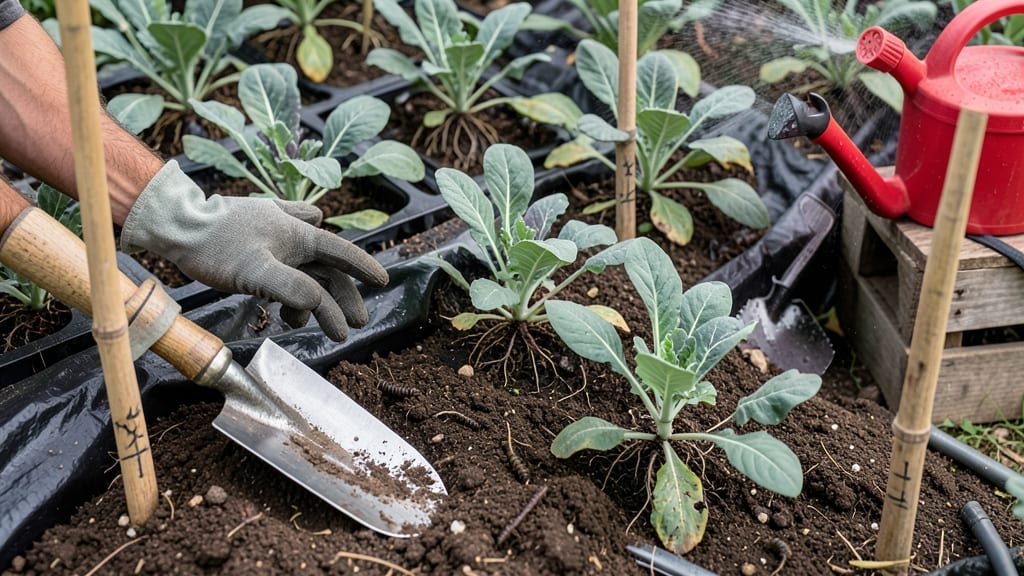
To plant cauliflower plants the right way means starting with well-draining soil and the perfect spacing—skip these steps, and your heads may never form properly.
Cauliflower 🥬 plants demand precision—get the spacing and soil wrong, and you’ll end up with stunted heads or bitter-tasting crops. Even experienced gardeners miss the mark on depth or pH, leading to wasted effort.
The good news? With the right prep, you’ll go from seedling to harvest-ready plants in just 80 days.
This guide covers everything from soil pH to transplant depth, plus spacing tricks for both in-ground and container gardens. We’ll also troubleshoot common mistakes like bolting or yellowing leaves, so you can avoid them before they happen.
By the end, you’ll know exactly how to plant cauliflower for perfect heads—no guesswork, just a bountiful harvest ready for June through August.

Optimal soil conditions and planting depth for healthy cauliflower growth
Cauliflower thrives when planted in rich, well-draining soil with a slightly acidic to neutral pH of 6.0-7.0. This range ensures your plants absorb essential nutrients like nitrogen, phosphorus, and potassium—critical for forming those tight, flavorful heads.
If your soil is too alkaline (pH above 7.5), your cauliflower may develop yellowing leaves or fail to produce heads entirely. Always test your soil before planting to avoid these common pitfalls.
One of the biggest mistakes gardeners make is planting cauliflower too deep or shallow. The seedlings' crown (where the stem meets the roots) should sit just ½ inch below soil level.
Planting too deep can cause the crown to rot, while planting too shallow exposes it to temperature fluctuations, leading to bolting (premature flowering). Use your finger to create a small dimple in the soil—this ensures consistent depth every time.
Your cauliflower’s soil should be a blend of organic matter, like compost or well-rotted manure, mixed with native soil. Aim for a 30% organic content to improve drainage and retain moisture.
If your soil is sandy or clay-heavy, amend it with 2-3 inches of compost and a handful of perlite or vermiculite to create the ideal loose, crumbly texture. Compacted soil restricts root growth, leading to stunted plants.
| Soil Requirement | Specification | Troubleshooting |
|---|---|---|
| pH Level | 6.0–7.0 | Use sulfur to lower pH or lime to raise it. |
| Organic Matter | 30% compost | Add aged manure or worm castings if soil is poor. |
| Drainage | Well-draining | Raise beds or mix in perlite for clay soil. |
| Planting Depth | ½ inch below crown | Use a ruler to mark soil level for consistency. |
| Nutrients | High phosphorus | Apply 10-20-10 fertilizer at planting. |
Before planting, enrich the soil with a balanced fertilizer (like 10-20-10) to provide phosphorus for root development and potassium for disease resistance. Avoid fresh manure—it can burn young roots and introduce pathogens. Instead, opt for composted cow or chicken manure, which breaks down slowly and feeds your plants steadily.
Work the fertilizer into the top 6 inches of soil during your final soil prep.
If your garden soil is nutrient-deficient, you’ll notice pale leaves or slow growth within weeks. To fix this, side-dress your cauliflower plants with a low-nitrogen fertilizer (like 5-10-10) every 4-6 weeks during the growing season.
This prevents excessive leafy growth at the expense of head formation. Always water the soil thoroughly after applying fertilizer to wash excess nutrients away from the roots.
For container gardening, use a lightweight potting mix blended with 20% perlite or coconut coir to improve aeration. Cauliflower in pots needs at least 12-inch-deep containers to accommodate root growth.
Place a 1-inch layer of gravel at the bottom for drainage, then fill with a mix of potting soil and compost. Containers dry out faster, so monitor moisture levels closely—drought stress causes bitter-tasting heads.
When transplanting seedlings, handle them gently by the leaves to avoid damaging the stem. Bury the stem up to the first set of leaves to encourage stronger root development. If your seedlings are leggy (tall and thin), plant them deeper than usual to stabilize them.
This also prevents them from bolting due to stress. After planting, water deeply to settle the soil and remove any air pockets around the roots.
To prevent soil-borne diseases like clubroot or black rot, rotate your cauliflower plants with non-brassica crops (like tomatoes or beans) the following year. These diseases thrive in soil where brassicas (cauliflower, broccoli, kale) have grown before.
If you must replant cauliflower in the same spot, sterilize the soil with a 3% hydrogen peroxide solution or solarize it by covering with clear plastic for 4-6 weeks during hot weather.
Finally, mulch your cauliflower plants with 2-3 inches of straw or shredded leaves to retain moisture and suppress weeds. Mulch also keeps the soil cool and even, reducing the risk of bolting during hot spells.
Avoid organic mulches like wood chips, which can acidify the soil over time and disrupt the ideal pH range for cauliflower.
Cauliflower spacing guide: how far apart to plant for maximum head size
Cauliflower plants need the right spacing to develop large, firm heads. Crowding leads to competition for nutrients, while spacing too far apart wastes garden space. The key is balancing air circulation and root room—especially for Romanesco and Purple varieties, which need extra elbow room to form their signature shapes.
Most gardeners focus on plant-to-plant distance but overlook row spacing, which affects sunlight exposure. For in-ground planting, aim for 18–24 inches between plants and 30–36 inches between rows. This setup ensures each plant gets 6+ hours of sunlight while preventing fungal diseases from damp foliage.
🌱
Container gardening changes the game—smaller pots mean less root space, so adjust spacing accordingly. For example, dwarf varieties like 'Purple of Sicily' thrive in 12-inch pots with 12-inch spacing, while Romanesco needs 18-inch pots and 24-inch spacing to avoid stunted growth.
Pro tip: Use straw mulch around plants to retain moisture and suppress weeds, which helps maintain even spacing. If your garden soil is heavy clay, raise beds by 6–12 inches to improve drainage and root expansion.
Overcrowding isn’t the only spacing mistake—under-spacing can also backfire. Plants that are too close may develop small, loose heads due to poor air circulation. Always measure from the base of the stem, not the leaves, to ensure accuracy.
🌿