
Shrubs
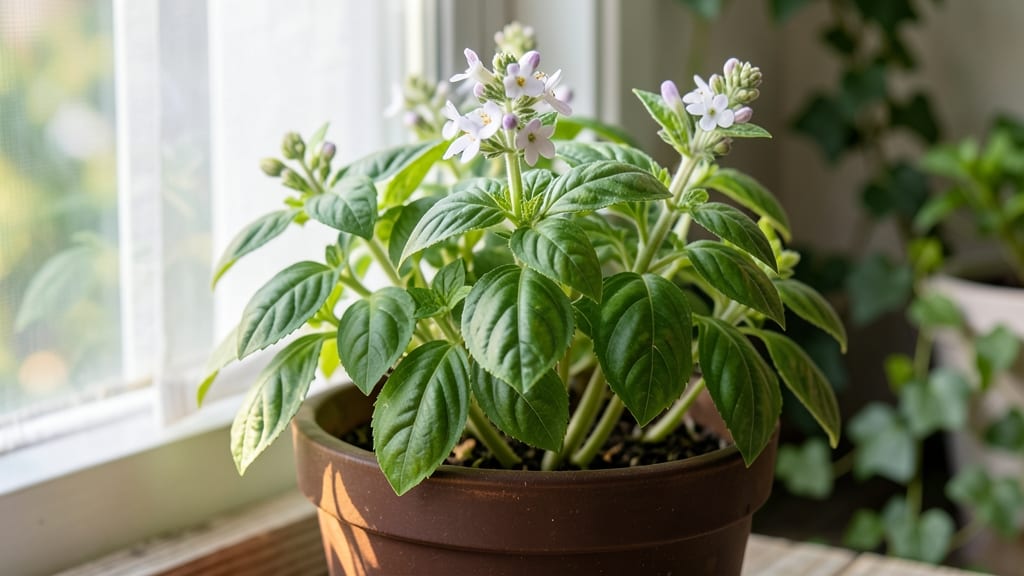
To tell if basil is flowering, look for tiny white or purple buds forming at the leaf joints 🌿—these signal your plant is shifting energy away from flavorful leaves and toward seeds.
If your basil plants are suddenly producing those delicate flowers, your fresh harvest may soon become bitter—and your plant’s energy will shift from leaves to seeds. Recognizing basil flowering early is the key to saving your crop and extending your harvest season.
Flowering basil isn’t just about aesthetics; it directly impacts flavor and yield. Once those buds appear, the leaves start developing a harsh, bitter taste, and the plant stops producing new growth. But don’t worry—with the right steps, you can prune them back and keep your basil thriving.
In this guide, I’ll walk you through the 3 key signs of flowering basil, what to do when you spot them, and how to prevent it from happening in the first place.
By the end, you’ll know exactly how to keep your basil lush, flavorful, and ready for harvest all season long.
3 Visual signs your basil is flowering (and why it matters)
Your basil plants are thriving—until those tiny white or purple flowers appear. When basil flowers, it signals a major shift in your plant’s priorities. Instead of producing flavorful leaves, your basil redirects energy to seed production, causing the leaves to become bitter and less aromatic.
The good news? Recognizing these 3 visual signs early gives you time to act and save your harvest.
Flowering basil isn’t just about aesthetics—it’s a harvest killer. Once those flowers bloom, the leaves lose their signature sweetness, and your plant’s growth slows dramatically. Understanding these signs helps you prune strategically and keep your basil productive for weeks longer.
Let’s break down what to watch for and why it matters so much.
Here’s how to spot flowering basil before it’s too late:
The flower buds are the first warning sign. These tiny, white or purple structures appear in the leaf axils (where leaves meet stems). If you spot even one bud, your basil is already shifting focus.
The buds grow quickly, so don’t wait—pinch them off immediately to redirect the plant’s energy back to leaf production.
Next, watch for woody or elongated stems. Healthy basil stems stay green and flexible, but flowering basil develops harder, thicker stems near the buds. This is your plant’s way of preparing to support flower and seed production.
If you notice this, it’s time to prune those stems back to encourage new, leafy growth.
Finally, check the leaf quality. Flowering basil leaves become smaller, lighter green, and—most importantly—bitter. The sweet, aromatic flavor you love fades as the plant redirects its resources.
If your basil tastes off, flowering is likely the culprit. The sooner you act, the sooner you’ll restore that fresh, sweet flavor.
Why does this matter? Because flowering basil is a harvest thief. Once those flowers bloom, your plant’s primary goal shifts from producing leaves to creating seeds. This means fewer leaves, poorer flavor, and a shorter harvest season.
By catching these signs early, you can prune strategically and keep your basil productive for weeks longer.
Pro tip: Regular harvesting of the top leaves actually delays flowering. When you pinch off the top sets of leaves, you encourage the plant to grow bushier and focus on leaf production instead.
This simple trick can extend your harvest by 3-4 weeks or more. It’s a game-changer for anyone growing basil for pesto, salads, or cooking.
Don’t let flowering basil sneak up on you. Keep an eye out for those tiny buds, woody stems, and bitter leaves. Acting quickly can mean the difference between a bitter harvest and a flavorful, abundant crop all season long. Your taste buds will thank you!
What to do when you spot basil flowers: step-by-step rescue guide
Once you’ve spotted those tiny white or purple basil flowers, your first priority is to act fast. Those flowers signal your plant is redirecting energy from leaf production to seed development, which means bitter-tasting leaves and a shorter harvest window.
The good news? With the right steps, you can revive your basil and keep those sweet, aromatic leaves coming.
Start by removing the flowering stems completely—don’t just pinch them off. This redirects the plant’s focus back to leaf growth instead of seed production. But timing and technique matter.
Use sharp pruning shears to avoid damaging the main stem, and always cut just above a leaf node where new growth can sprout. This simple step can add weeks to your harvest season.
- 🌱 Check for buds: Look for small white or purple buds forming at the stem tips or leaf axils.
- 🌿 Inspect stems: Feel for woody or elongated stems—these signal early flowering stages.
- 💧 Observe leaves: Smaller, sparse leaves or yellowing edges often appear as the plant shifts focus.
- ✂️ Prune immediately: Cut 1/3 of the plant back to encourage bushier growth and delay flowering.
- ☀️ Adjust sunlight: Move to partial shade (4-6 hours of sun) to slow flowering if outdoors.
After pruning, give your basil a boost with balanced fertilizer (like 10-10-10) to replenish nutrients lost during flowering. Focus on the roots by watering deeply—this encourages new leaf growth from the base.
Avoid overwatering, though, as soggy soil can stress the plant further. Within 2-3 weeks, you should see fresh, vibrant leaves emerging.
One common mistake gardeners make is waiting too long to prune. If you let flowers mature, the basil’s flavor will deteriorate quickly, and the plant may even bolt (go to seed prematurely).
Another pitfall is pruning incorrectly, like cutting too close to the base or using dull shears, which can introduce disease. Always sanitize your tools with rubbing alcohol before and after pruning to keep your basil healthy.
To maximize your basil’s productivity, pair pruning with regular harvesting. Pinch off the top sets of leaves (just above a leaf node) every 2-3 weeks to encourage bushier growth.
This technique, combined with removing flowers, can double your harvest yield over the season. Plus, it keeps your basil compact and manageable, even in containers.
If your basil is already heavily flowering, don’t despair—you can still save some leaves for cooking. Just avoid the older, lower leaves, which will taste the most bitter. Focus on harvesting the younger, upper leaves for the best flavor.
With consistent care, your basil should rebound within a few weeks, giving you another round of sweet, aromatic harvests.