
Mower
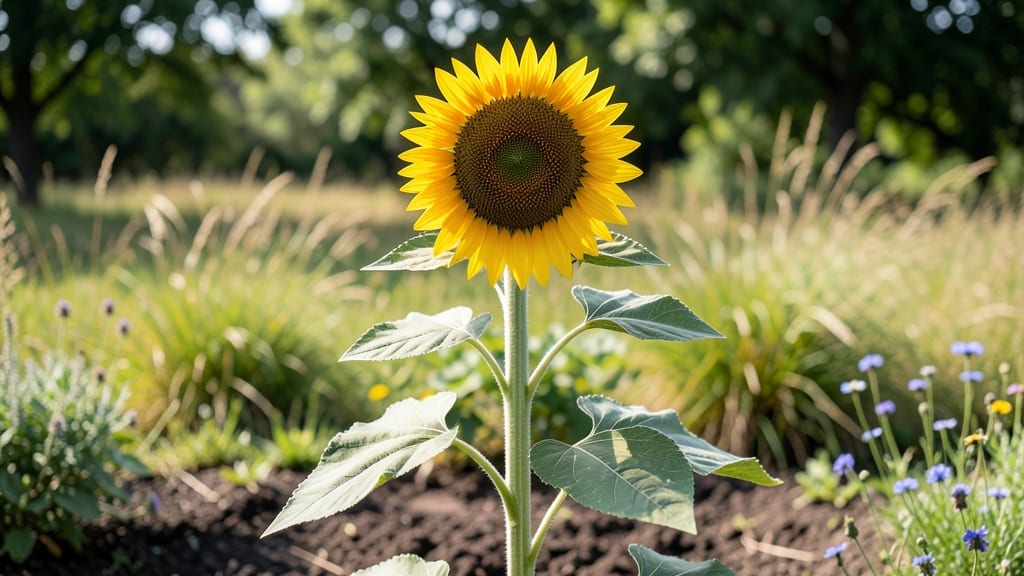
The Mammoth Russian Sunflower can reach a height of 10–14 feet, dwarfing even the tallest garden structures—but only if you give it the right conditions.
Imagine a sunflower soaring higher than your house, its golden blooms catching the breeze at eye level. That’s the potential of this variety, but without proper care, its height can fall short of its towering promise.
Here’s the key: soil, sunlight, and support work together to unlock its full vertical growth. In USDA Zone 6a, planting in April–May sets the stage for a summer of rapid upward progress.
Below, I’ll break down the exact growth stages by month, plus the three proven techniques to maximize height—so you can watch your sunflower reach its breathtaking peak.

Mammoth Russian sunflower height by month: exact growth timeline
Watching a Mammoth Russian sunflower grow is like witnessing a natural skyscraper rise from the ground. These giants of the garden world can shoot up 10-14 feet in just a few months, but their growth isn't steady—it happens in dramatic spurts.
Understanding their month-by-month height progression helps you provide the right support, nutrients, and care at each stage to ensure those towering stems reach their full potential.
The journey begins in early spring when you plant seeds after the last frost. By late summer, your sunflowers could be taller than you are! The key to maximizing their height lies in recognizing when they need extra attention—whether it's staking, fertilizing, or protecting them from wind.
Let's break down exactly how these sunflowers grow each month and what you can do to encourage their impressive vertical development.
In April, after planting your seeds about ½ inch deep in well-draining soil, germination typically occurs within 7-14 days if temperatures stay above 50°F. During this stage, your seedlings will be fragile, so keep the soil consistently moist but not waterlogged.
A clear plastic dome or row cover can help retain warmth and humidity, which speeds up germination by 2-3 days.
By May, your sunflowers will experience their first major growth spurt, shooting up 1-3 feet in just a few weeks. This is when you should transplant seedlings if you started them indoors, giving them 18-24 inches of space between plants.
Installing support stakes now prevents stems from bending under their own weight later. I recommend using bamboo stakes or heavy-duty garden stakes tied loosely with soft twine to avoid damaging the stems.
The real magic happens in June when your sunflowers can grow up to 3 feet per week under ideal conditions. This is their critical growth phase, so ensure they receive full sun (6+ hours daily) and consistent moisture.
A 5-10-10 balanced fertilizer applied every 4-6 weeks provides the nutrients needed for rapid stem elongation. Watch for wind damage—tall, thin stems can snap easily, so securing stakes firmly becomes essential.
July marks the transition from vertical growth to flower bud development. Your sunflowers will continue gaining height but may slow slightly as they focus energy on forming large, vibrant blooms. This is when you should reduce nitrogen fertilizer (switch to a low-nitrogen, high-phosphorus formula) to encourage flowering.
Deep watering once or twice per week prevents stress, and mulching around the base helps retain soil moisture while suppressing weeds.
By August, your Mammoth Russian sunflowers will likely reach their peak height of 10-12 feet, with some varieties even surpassing 14 feet in ideal conditions. The stems will be thick and sturdy, but they still need support to prevent toppling.
I've found that triple-staking systems (three stakes tied at the base in a triangle) provide the best stability for these giants. This month is also when you should monitor for pests like sunflower moths or beetles, which can damage buds.
The final growth phase occurs in September, where your sunflowers may add another 1-2 feet before reaching maturity. The flower buds will turn brown and dry, signaling it's time to harvest seeds.
Cut back dead foliage to prevent disease, and leave the seed heads on the plant until they're fully dry. Once harvested, store seeds in a cool, dry place for planting next year. The remaining stems can be cut down and composted, enriching your soil for future plantings.
Understanding this month-by-month growth timeline helps you anticipate
How to maximize Mammoth Russian sunflower height: proven techniques
Growing Mammoth Russian sunflowers to their full 10-14 foot potential requires more than just planting seeds. These giants thrive with the right conditions, and I’ve learned through years of trials that soil quality, sunlight exposure, and structural support make all the difference.
Let’s break down the proven techniques that will help your sunflowers reach their towering heights.
First, focus on deep, nutrient-rich soil mixed with compost. These sunflowers have hungry roots that need room to spread, so amending your garden bed with organic matter before planting is essential.
I always add a 2-3 inch layer of compost and mix it into the top 12 inches of soil for maximum growth potential.
🌱 Proven Techniques for Maximum Height
- 1. Plant in full sun – Ensure 6+ hours of direct sunlight daily. These sunflowers need intense light to fuel their rapid vertical growth.
- 2. Space plants 2-3 feet apart – Crowding stunts growth. Give each plant room to develop its tall, sturdy stem.
- 3. Water deeply but infrequently – Aim for 1 inch of water per week, soaking the soil rather than frequent shallow watering.
- 4. Use support stakes early – Install 3-4 foot stakes at planting to prevent bending as the stem thickens.
- 5. Fertilize lightly in spring – Apply a balanced 5-10-10 fertilizer at planting and again mid-season to support growth.
- 6. Mulch heavily – Spread 3-4 inches of mulch to retain moisture and suppress weeds that compete for nutrients.
- 7. Prune lower leaves – Remove leaves from the bottom 1/3 of the stem to improve airflow and reduce disease risk.
Don’t underestimate the power of consistent watering—these sunflowers need deep hydration, especially during their rapid growth phase. I water mine early in the morning to reduce evaporation and fungal risks. Avoid overhead watering, which can weaken stems and attract pests.
For extra-tall specimens, I’ve found that trellising or caging works wonders. Use wide-mesh netting or bamboo stakes to provide lateral support as the stems grow. This prevents them from toppling over in windy conditions, which is a common issue with sunflowers this size.
Finally, monitor your plants for nutrient deficiencies like yellowing leaves, which can signal nitrogen needs. A quick soil test before planting helps me adjust pH and nutrient levels to ensure optimal growth. With these techniques, your Mammoth Russian sunflowers will reach their full height potential—maybe even taller than your fence!