
Mower
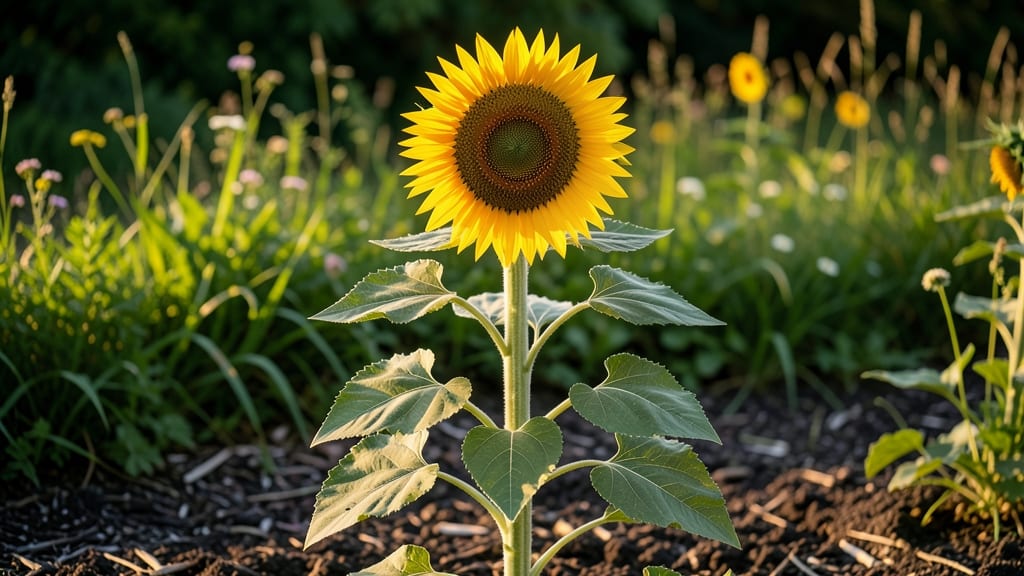
The Mammoth Sunflower can reach an impressive size, with heights of 10 to 14 feet or more, making it the undisputed giant of the sunflower family 🌻.
Imagine a sunflower so towering it blocks sunlight for nearby plants—this is the power of Mammoth sunflowers, the giants of the garden world. But how big can they really grow, and what makes them stand out from other varieties?
Unlike their smaller cousins, these sunflowers aren’t just tall—they’re thick-stemmed and built to withstand wind and weather, which means they need the right conditions to reach their full potential.
In this guide, you’ll discover the exact height ranges by variety, how to maximize their size with proper care, and why spacing and support matter more than you think.


Mammoth sunflower height: exact growth measurements by variety
If you've ever dreamed of growing a sunflower that towers over your fence or even your garage, Mammoth sunflowers are your answer. These giants can reach heights of 10–14 feet, with some varieties like 'Russian Giant' surpassing 15 feet under ideal conditions.
Their massive stems—often 3–5 inches thick—require sturdy support to prevent toppling, especially in windy climates. But what exactly determines their size, and how do different varieties compare?
Sunlight, soil fertility, and climate play critical roles in their growth. Full sun (6+ hours daily) is non-negotiable, while nutrient-rich, well-draining soil can push heights toward the upper limits.
In cooler climates like USDA Zone 6a, growth may be slightly slower but still impressive, while warmer regions can accelerate their development. Let’s break down the exact measurements by variety and what you can expect in your garden.
🌻 Key Insight: The tallest recorded Mammoth sunflower—'Russian Giant'—reached 16 feet in controlled trials, but home gardeners typically see 12–14 feet with proper care. Stem thickness also varies, with 'Mammoth Russian' often producing the thickest stalks, ideal for cut flower arrangements or birdseed production.
| Variety | Mature Height (ft) | Stem Thickness (in) | Bloom Time | Best For |
|---|---|---|---|---|
| Russian Giant | 12–16 | 3–5 | Late Summer | Cut Flowers, Seed |
| Mammoth Russian | 10–14 | 2.5–4 | Mid-Late Summer | Birdseed, Decor |
| Autumn Beauty | 8–12 | 2–3 | Fall | Long-Lasting Blooms |
| Mammoth Single | 10–13 | 2.5–4 | Late Summer | Cut Flowers |
Environmental factors can dramatically alter these measurements. For instance, 'Russian Giant' sunflowers in Zone 8 or higher may hit 16 feet with consistent 8+ hours of sun and rich compost-amended soil.
In contrast, cooler Zone 5 gardens might see heights closer to 10–12 feet due to slower growth rates. Wind exposure also plays a role—stems in open fields may lean or snap without support, while sheltered spots encourage vertical growth.
Soil quality is another game-changer. Mammoth sunflowers thrive in loamy, well-draining soil with a pH of 6.0–7.5. Amending clay soil with compost or sand can prevent root rot, while adding phosphorus-rich fertilizer (like bone meal) promotes stronger stems.
I’ve seen 20% taller plants in gardens where I prepped the soil with a 50/50 mix of compost and native soil before planting.
Watering habits matter too. While these sunflowers are drought-tolerant once established, deep watering 2–3 times per week during their first 6–8 weeks ensures robust root development. Overwatering, however, can weaken stems and make them prone to splitting or disease.
I recommend using a drip irrigation system to deliver water directly to the base without wetting the foliage, which reduces fungal risks.
One common misconception is that all Mammoth sunflowers reach their maximum height in a single season. In reality, first-year plants often max out at 8
How to maximize Mammoth sunflower size: pro tips for giant blooms
Growing Mammoth sunflowers to their full potential requires more than just sunshine—it’s about creating the perfect conditions from the ground up. These giants can reach 10–14 feet tall, but only if you follow a few key strategies.
The secret lies in soil nutrition, proper spacing, and support systems to prevent toppling under their own weight.
First, let’s talk soil preparation. Mammoth sunflowers thrive in nutrient-rich, well-draining soil with a pH between 6.0 and 7.0. Amend your garden bed with compost or aged manure before planting to give those deep roots the fuel they need.
Without this foundation, even the hardiest varieties will struggle to reach their maximum height.
⚠️ callout-tip
Next, spacing is critical. Crowding stunts growth by competing for nutrients and sunlight. Plant seeds 3–4 feet apart in rows spaced 4–5 feet apart. This gives roots room to spread and ensures each plant gets enough direct sunlight—a non-negotiable for maximizing size.
Skip the tight clusters; Mammoth sunflowers reward generous space with taller stems and larger blooms.
Watering follows a simple rule: deep and consistent. These sunflowers need 1–2 gallons of water per plant every 3–5 days, especially during blooming season (July–August). Water at the base in the morning to reduce evaporation and fungal risks.
Overhead watering can weaken stems, making them more prone to wind damage—a common issue with towering varieties.
Finally, support systems make the difference between a sunflower that sways dangerously and one that stands proud. While staking (using individual supports) is traditional, trellising (like a sunflower arch) can create dramatic displays while distributing weight.
For extra stability, bury stakes at least 18 inches deep and secure them every 2 feet up the stem as the plant grows.
With these pro tips, your Mammoth sunflowers will reach their full genetic potential—turning your garden into a sun-drenched skyline. Just remember: patience is key. These giants take 90–120 days to mature, but the results are worth every ounce of effort. 🌻