
Succulent
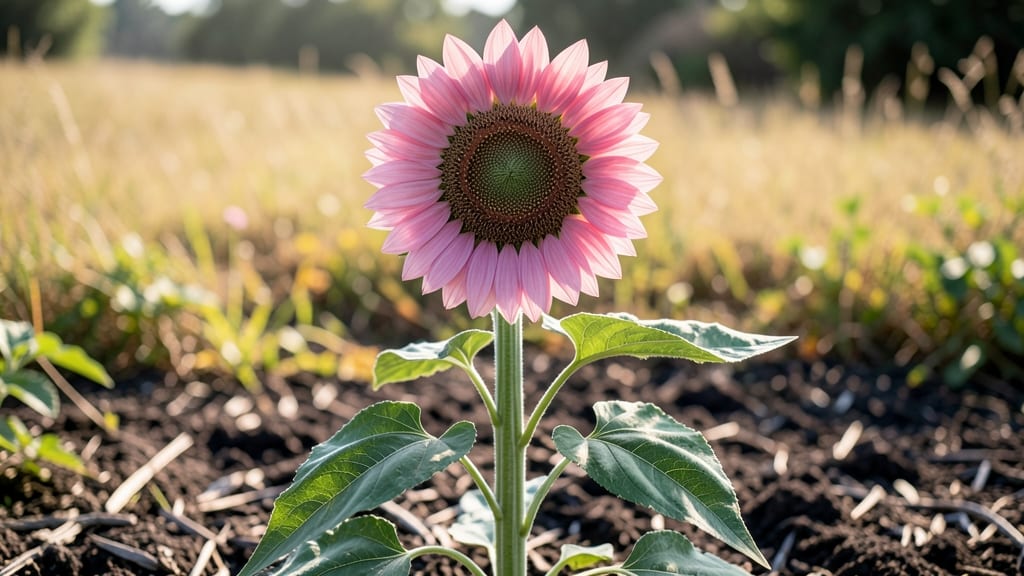
Growing pink giant teddy bear sunflowers 🌻 means welcoming towering, fluffy blooms that turn heads and attract pollinators—these aren’t your average sunflowers.
Imagine sunflowers so towering and fluffy they look like living teddy bears—now picture them in stunning pink hues. These aren’t just flowers; they’re a gardener’s dream for adding drama, whimsy, and height to any outdoor space.
If you’ve ever planted sunflowers only to watch them struggle with slow growth or flop under their own weight, this guide changes the game. With the right soil, spacing, and care, you’ll coax those 10-foot stalks into standing proudly all summer long.
From seed to bloom, I’ll walk you through every step—soil prep, watering secrets, and even how to troubleshoot drooping stems—so you end up with a garden full of these eye-catching giants by July.
How to grow pink giant teddy bear sunflowers from seeds
There's nothing quite like watching pink giant teddy bear sunflowers grow from tiny seeds into towering, fluffy giants that reach 10 feet tall. These sunflowers aren't just beautiful—they're a statement piece in any garden.
The secret to growing them successfully starts with the right seeds and timing. Let's dive into the step-by-step process to ensure your sunflowers thrive from seed to bloom.
Before you begin, choose high-quality seeds from a reputable supplier. Look for seeds labeled specifically as pink teddy bear sunflowers—these will give you the soft pink petals and double-layered blooms that make them so unique.
I always opt for organic, non-GMO seeds to ensure the best growth and avoid any potential chemical residues.
Step-by-Step Guide to Growing Pink Giant Teddy Bear Sunflowers
- 1 Choose the Right Seeds: Select pink giant teddy bear sunflower seeds from a trusted supplier. These seeds are specifically bred for their pink petals and fluffy appearance.
- 2 Timing is Critical: Plant seeds 2-3 weeks after your last frost date, typically in late April or early May in most USDA Zone 6a regions. This ensures warm soil and long daylight hours for growth.
- 3 Prepare the Soil: Amend your soil with compost or aged manure to ensure it’s well-draining and nutrient-rich. These sunflowers love loose, fertile soil that won’t compact around their deep roots.
- 4 Plant the Seeds: Sow seeds 1 inch deep and 6 inches apart. If you’re planting multiple rows, space them 18-24 inches apart to accommodate their wide-spreading roots.
- 5 Provide Full Sun: Ensure your sunflowers receive at least 6-8 hours of direct sunlight daily. These plants thrive in full sun and will grow taller and more robust with ample light.
- 6 Water Consistently: Keep the soil moist but not soggy, especially during the first 4-6 weeks of growth. Water deeply once a week, providing 1-1.5 gallons per plant to encourage strong root development.
- 7 Fertilize Lightly: Apply a balanced fertilizer (10-10-10) when the plants are 6 inches tall and again when they reach 12 inches. Use 1 tablespoon per plant to avoid over-fertilizing, which can lead to weak stems.
- 8 Support Tall Stalks: As your sunflowers grow toward 10 feet, consider staking them with bamboo stakes or cages to prevent them from toppling over in wind or rain.
Once your pink giant teddy bear sunflowers are planted, monitor them closely for pests like aphids or powdery mildew, which can affect their growth. If you notice any issues, treat them promptly with neem oil or insecticidal soap.
These sunflowers are generally low-maintenance, but their height and fluffiness make them worth the extra care.
By following these steps, you’ll be rewarded with stunning pink blooms that attract pollinators and add a whimsical touch to your
Key differences between pink and classic teddy bear sunflowers
If you’ve ever grown classic Teddy Bear sunflowers, you know they’re already showstoppers with their fluffy, double-layered petals. But when those petals turn pink, they add a whole new dimension to your garden.
The pink varieties aren’t just a color twist—they often bring subtle but important differences in growth habits, bloom times, and care needs compared to their classic yellow counterparts.
While both types share the same giant stature and teddy bear-like blooms, pink sunflowers sometimes require slightly more attention to soil fertility and water consistency to achieve their full potential. Understanding these differences helps you tailor your gardening approach for the most stunning results by mid-summer.
One of the most noticeable differences is the bloom color intensity. Pink varieties often fade slightly in direct sunlight, so if you want them to retain their vibrant hue, consider planting them in partial afternoon shade or near lighter-colored foliage.
This trick works wonders for preserving their rosy glow all season.
When it comes to growth speed, pink sunflowers sometimes take 1-2 weeks longer to reach maturity compared to classic varieties. This means starting seeds indoors in late March gives them the extra time they need to outpace slower-growing neighbors in your garden.
Just be patient—their towering presence is worth the wait!
For long-term care, both types benefit from regular mulching to retain moisture, but pink sunflowers appreciate a thicker layer of mulch (2-3 inches) to protect their roots from temperature fluctuations.
This is especially important if you’re growing them in USDA Zone 6 or cooler, where cooler nights can stress their delicate stems.
Whether you choose pink or classic, the key to success lies in consistent care and proper spacing. Give them room to stand tall, and they’ll reward you with months of pollinator-friendly blooms that steal the show in any garden. 🌻