
Trees
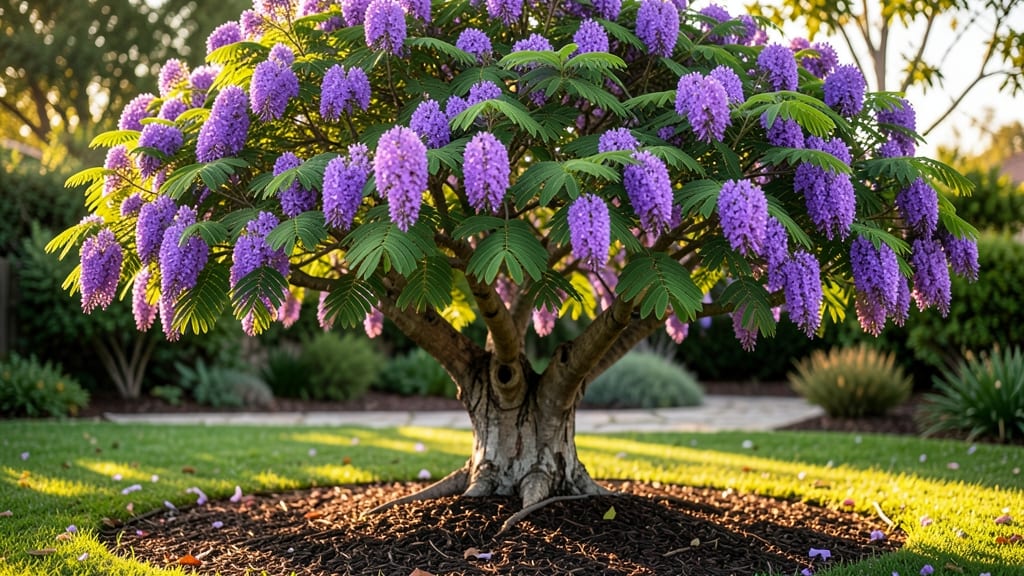
The purple jacaranda mimosifolia flowering tree turns gardens into dreamy purple clouds each spring, but planting it at the wrong time can leave you waiting years for those show-stopping blooms.
Imagine your backyard bursting with fragrant, 🌸lavender-blue blossoms by March—this isn’t just a fantasy. The secret? Planting your Jacaranda in Zone 9b between November and February, when the roots settle before spring’s heat arrives. Skip this window, and you risk stunted growth or delayed flowering.
This guide covers everything from soil prep to seasonal care, so you’ll know exactly when to dig, how deep to plant, and what to watch for as your tree grows. No more guessing—just stunning results.
Ready to turn your landscape into a springtime masterpiece? Let’s get started with the perfect planting timeline for your Jacaranda’s glory.
Best planting zones and seasons for jacaranda mimosifolia blooms
The Jacaranda mimosifolia, or purple jacaranda, thrives in USDA hardiness zones 8 through 11, where it delivers its legendary springtime purple blooms. Planting in the right season and zone ensures your tree establishes strong roots before summer heat arrives.
In cooler zones like 8a-8b, treat it as a tender perennial—it may lose leaves in winter but regrows vigorously.
For optimal flowering, plant your jacaranda in late fall or winter—between November and February. This timing lets roots establish before the spring growth surge and summer drought stress.
In California’s Mediterranean climate, winter planting aligns with natural rainfall, while Florida’s humid subtropical zone benefits from cooler winter temperatures.
Your microclimate matters. Urban areas with heat islands may require afternoon shade to prevent leaf scorch, while coastal regions benefit from ocean breezes that reduce heat stress. Always choose a sun-drenched spot—jacarandas demand 6-8 hours of direct sunlight daily for peak blooming.
| Climate Zone | Best Planting Months | Soil Needs | Sunlight Requirement | Microclimate Tips |
|---|---|---|---|---|
| USDA 8a-8b | November-February | Well-draining, sandy loam | Full sun (6-8 hrs) | Protect from late frosts |
| USDA 9a-9b | December-January | Loamy, slightly alkaline | Full sun (8+ hrs) | Use afternoon shade in heat islands |
| USDA 10a-11 | January-February | Fast-draining, rocky soil | Full sun (8+ hrs) | Coastal areas: prune for wind resistance |
In Southern California, plant your jacaranda in December to capitalize on winter rains and avoid summer drought. The Mediterranean climate here mimics its native Brazilian habitat, making it ideal for year-round growth.
Meanwhile, in Florida’s zone 10b, January planting ensures the tree avoids hurricane season and establishes before spring heat arrives.
Your soil type plays a crucial role. Jacarandas hate soggy roots, so amend clay soils with compost and sand to improve drainage. A slightly alkaline pH (6.5-7.5) is ideal, but the tree tolerates neutral to slightly acidic soils in a pinch.
Always plant in a mounded bed to prevent water pooling around the roots.
For container planting in cooler zones, use a large pot (24"+ diameter) with fast-draining mix and move it indoors when temperatures drop below 30°F. In zone 11’s year-round warmth, containers work well too—just ensure adequate airflow to prevent fungal issues.
Mulch with wood chips to retain moisture and regulate soil temperature.
Watch for microclimate variations in your yard. A north-facing wall can create a cooler microclimate perfect for jacarandas in hot inland zones. Conversely, south-facing slopes may need extra afternoon shade to prevent leaf burn. Always monitor your tree’s response—drooping leaves signal overwatering or heat stress.
Timing your fertilization matters too. Apply a balanced 6-6-6 fertilizer in early spring (March) to fuel new growth, then again in mid-summer (July) to support flowering. Avoid fertilizing in fall or winter—this encourages late-season growth that won’t harden off before cold snaps.
Remember: patience is key. Jacarandas take 3-5 years to reach full flowering potential, but proper planting timing and care will reward you with dramatic purple canopies for decades.
Start with the right zone, season, and soil, and your tree will thrive—just like the iconic jacarandas lining California boulevards.
Step-by-step guide to planting jacaranda trees for optimal growth
The purple jacaranda mimosifolia thrives when planted with precision—whether in containers or in-ground. I’ve planted mine in both methods, and the key to success lies in well-draining soil and proper spacing. Jacarandas hate soggy roots, so avoid heavy clay unless amended with sand or compost.
For containers, use a mix of 50% potting soil and 50% perlite to mimic their native well-drained habitats.
Timing matters too. Plant your Jacaranda between November and February in USDA Zones 8-11 to give roots time to establish before spring’s heat. This is when I’ve seen the best root development and bloom production in my own garden.
Skipping this window risks stunted growth or delayed flowering—don’t let that happen to your tree!
How to Plant Your Jacaranda Tree
-
Step 1: Choose Your Location
Select a spot with full sun (6+ hours daily) and well-draining soil. Jacarandas need space—plant 20-30 feet apart for mature trees to avoid root competition.
-
Step 2: Dig the Hole
Dig a hole twice as wide as the root ball but no deeper. This prevents root suffocation and encourages upward growth.
-
Step 3: Amend the Soil (If Needed)
Mix compost or sand into heavy clay soil to improve drainage. Jacarandas despise waterlogged roots—never plant in low spots where water pools.
-
Step 4: Position the Tree
Place the tree so the top of the root ball sits 1-2 inches above soil level. This prevents root rot from sitting water.
-
Step 5: Backfill and Water
Fill the hole with soil, tapping gently to remove air pockets. Water deeply (5-10 gallons) to settle the roots. Mulch with 2-3 inches of wood chips, keeping mulch 6 inches away from the trunk.
-
Step 6: Prune for Shape (Optional)
Lightly trim dead or crossing branches to encourage a balanced canopy. Avoid heavy pruning—Jacarandas flower on new wood, so prune after blooming.
After planting, your Jacaranda’s first year is critical. Water deeply every 3-5 days until established, then reduce to weekly deep soaks. Overwatering is a common mistake—yellowing leaves signal soggy roots. Let the soil dry slightly between waterings once roots are deep.
Pruning tips: I prune mine in late winter to shape the tree and remove weak branches. Never prune in summer, as this can stress the tree before its spring bloom. A little patience here pays off with vibrant purple flowers next season!
For container planting, use a large pot (24+ inches wide) with drainage holes. Repot every 2-3 years to refresh soil, and fertilize lightly in spring and summer with a balanced 6-6-6 NPK. Containers dry out faster, so monitor soil moisture closely—drought stress shows as drooping leaves.