
Blooming
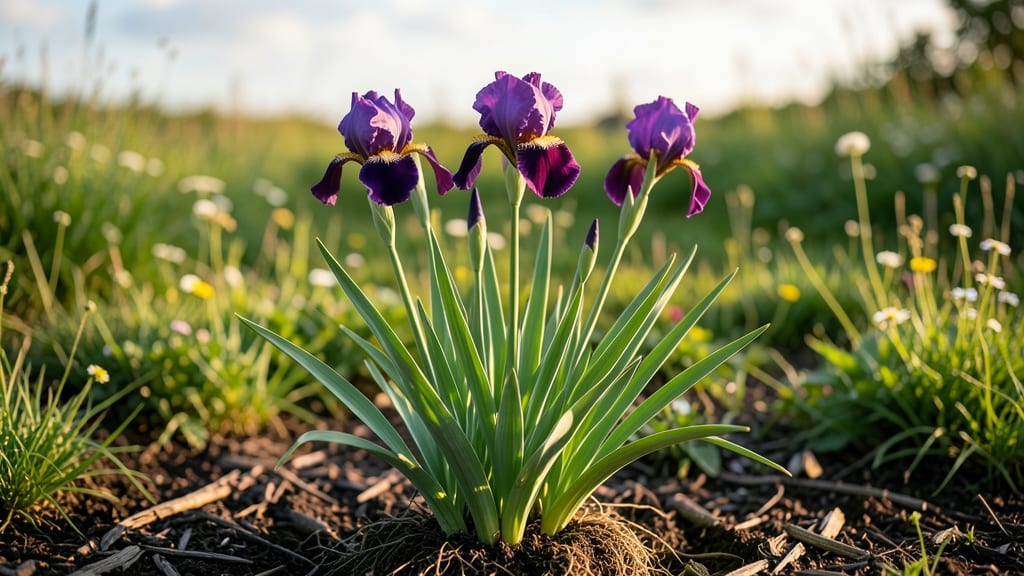
Iris flowers bloom between late spring and early summer, with most varieties reaching their peak from May to June — but timing can shift by weeks depending on your region and the type of iris you’re growing.
If you’ve ever wondered why your iris garden seems to burst into color at different times each year, the answer lies in their unique blooming cycles.
Each shade and variety follows its own precise schedule, from early spring blues to late-summer purples, making it easy to plan your garden for a continuous show.
In USDA Zone 6a, where many gardeners grow irises, expect the first blooms as early as April for hardy Siberian types, while classic bearded irises often wait until May or June. Warmer climates can push blooms even earlier, while cooler areas might see them linger into July.
Below, I’ll break down the exact months for each color variety, how to adjust for your location, and 5 simple tips to coax your irises into blooming just a little earlier — or later — than usual.
Iris blooming timeline by color variety: month-by-month guide
Iris flowers are nature’s way of painting your garden in vibrant strokes, but their timing varies dramatically by color variety. While most irises bloom in late spring to early summer, the exact months depend on the iris type and your USDA hardiness zone.
For example, blue flag irises often lead the parade in April or May, while yellow irises might not appear until June. Understanding these patterns lets you create a sequential color display that keeps your garden lively from spring through summer.
Even within the same iris family, regional differences can shift blooming windows by 2-4 weeks. Gardeners in USDA Zone 5 might see purple irises bloom in mid-May, while those in Zone 8 could enjoy them as early as March.
This guide breaks down the month-by-month blooming schedule for the most popular iris colors, plus tips to adjust timing based on your climate. Whether you’re planning a cutting garden or a landscape display, this timeline ensures you’ll never miss a bloom.
Note: Timelines below assume average USDA Zone 6-7 conditions. For cooler zones (4-5), expect blooms to shift 2-3 weeks later, while warmer zones (8-9) may see earlier flowering. Always monitor your local last frost date—irises need consistent soil temperatures above 50°F to bloom reliably.
If you’re growing bearded irises (the most common type), their blooming sequence typically follows this order: blue → purple → yellow → white → pink. This progression creates a natural color gradient that’s perfect for border gardens or cutting arrangements. For example, planting 'Blue Magic
How climate and location affect iris flowering times
Iris flowers are famous for their stunning displays, but their blooming windows can shift dramatically depending on where you live.
In cooler northern climates like USDA Zones 3-5, irises often bloom in late May to early June, while gardeners in warmer southern regions (Zones 7-9) may see flowers as early as March or April.
This variation happens because irises rely on temperature cues—they need a period of cool dormancy followed by warmth to trigger blooms.
Even within the same state, coastal areas can experience earlier blooms than inland regions. For example, San Francisco’s mild coastal climate might push irises to bloom in February or March, while inland Sacramento’s hotter summers could delay blooms until May or June.
Sunlight exposure also plays a role—full-sun locations encourage earlier blooming, while partial shade can delay it by 2-4 weeks.
🌸 Iris Blooming Windows by Climate
Late May - Early June
Mid-April - Mid-May
February - March
Full Sun: Encourages earlier blooms
Partial Shade: Delays blooms by 2-3 weeks
If you live in a warmer climate where irises bloom too early, you can delay flowering by providing afternoon shade during peak summer months. This mimics cooler conditions and can push blooms into late spring instead of early spring.
For gardeners in cold climates, consider planting Siberian irises, which are more cold-hardy and may bloom 1-2 weeks earlier than traditional bearded irises.
Another key factor is soil temperature. Irises need well-draining soil that warms up quickly in spring. If your soil stays too cold or soggy, blooms may be delayed. Amending with compost or sand can help create the ideal environment for faster warming and earlier blooms.
In container gardens, use pots with good drainage and place them in sunnier locations to encourage timely flowering.
For gardeners in USDA Zone 8 or higher, where winters are mild, irises might bloom twice a year—once in early spring and again in fall.
To promote a second flush of blooms, reduce watering in late summer to encourage dormancy, then resume watering in early fall to trigger another bloom cycle. This works best for bearded irises, which are more adaptable to warmer climates than Siberian or Louisiana irises.
No matter where you garden, observing your local climate patterns is key. Keep a blooming journal for 2-3 years to track when your irises bloom each season. This helps you adjust planting times, choose the right varieties, and even plan companion plants to extend your iris season with complementary blooms.
With a little attention to your local conditions, you can enjoy stunning iris displays at the perfect time for your garden! 🌿