
Flowers
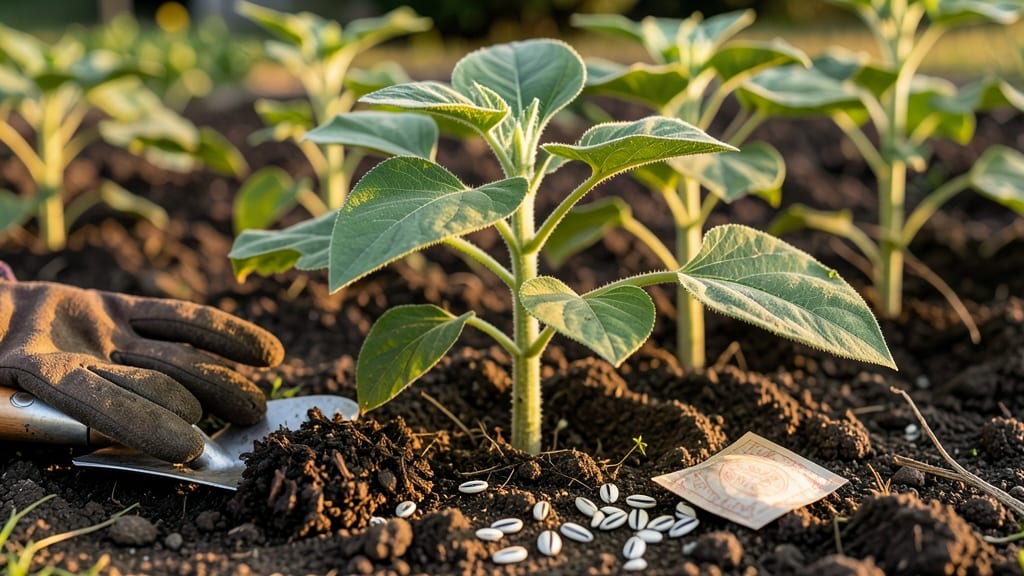
Planting sunflowers in Alabama at the right time means the difference between towering 🌻 giants and sad, stunted plants — and the window opens earlier than you might think.
You could drop seeds into the ground in March, but if a late frost sneaks in, you’ll be starting over. Alabama’s 7a-8b zones mean frost-free days arrive fast, but timing still matters: too early, and you risk cold damage; too late, and summer’s heat zaps your blooms before they open.
Below, I’ll break down the exact dates for spring and summer planting, how to prep your soil for Alabama’s clay-heavy dirt, and which sunflower varieties hold up best in our heat.
Whether you’re growing dwarf varieties for containers or 12-foot giants for cut flowers, these tips will help you avoid the most common mistakes and enjoy sunflowers from August through October.
Best sunflower planting dates in Alabama by heat zone
Alabama’s warm climate makes it perfect for growing sunflowers, but timing matters—especially across the state’s USDA zones 7a-8b. Plant too early, and frost can strike; too late, and you’ll miss peak blooms.
The key is aligning your planting dates with your specific heat zone and frost risks. In northern Alabama (zone 7a), the last frost typically arrives around March 15, while southern Alabama (zone 8b) enjoys frost-free conditions until November 15.
This means your ideal window spans from mid-March to mid-June for spring plantings, with a second chance in late July to early August for summer varieties.
For direct sowing, wait until soil temperatures hit 50°F—a simple soil thermometer check ensures your seeds won’t sit cold and rot. Transplants can go in earlier, but they’ll need protection if frost lingers. Dwarf varieties (like ‘Teddy Bear’) tolerate cooler soils better, while tall varieties (such as ‘Russian Giant’) need warm earth to thrive.
Below, I’ve broken down the best planting windows by zone, so you can avoid common mistakes like overcrowding or underwatering during Alabama’s intense summer heat.
🌱 Pro Tip: Use black plastic mulch in early spring to warm the soil faster—this can shave 1-2 weeks off your planting timeline in cooler zones.
If you’re in zone 7a, focus on spring plantings—summer heat can stress sunflowers before they mature.
In zone 8b, you’ve got flexibility: plant early spring for fall blooms or late summer for winter interest (before frost). Transplants can go in 2-3 weeks earlier than seeds, but harden them off first to avoid shock.
For container growing, use large pots (at least 12 inches deep) and plant in May to avoid root-bound stress.
Alabama’s summer heat (often exceeding 90°F) can dry out soil quickly, so mulch with straw or wood chips to retain moisture. Drought-tolerant varieties like ‘ProCut’ handle heat better than standard types.
Water deeply once a week (more in zone 8b) to encourage strong stems. Morning watering prevents fungal issues, and avoid wetting the leaves to reduce mildew risk.
For fall blooms, sow seeds in late July—this gives them 8-10 weeks to mature before frost. In zone 7a, aim for August 15 plantings; in zone 8b, you can push it to September 1. Succession planting every 2 weeks ensures continuous blooms.
Choose short-day varieties (like ‘Italian White’) for fall color—they bloom reliably even as daylight shortens.
Watch for squirrels and birds, which love sunflower seeds. Use mesh cages over young plants until they’re 12 inches tall. Pest-resistant varieties like ‘Autumn Beauty’ deter critters naturally. If you notice yellowing leaves, it could signal
How to adjust planting timing for Alabama’s microclimates
Alabama’s diverse landscapes—from coastal humidity to mountainous high-altitude spots—create unique growing conditions for sunflowers. Urban gardens in Birmingham bake under concrete heat islands, while coastal areas like Mobile stay cooler near the Gulf. Adjusting your planting schedule based on these microclimates ensures your sunflowers thrive year after year.
Start by checking soil temperatures with a thermometer. Sunflowers need soil at least 50°F to germinate. In high-altitude areas like Huntsville, wait until late April, while coastal zones like Dauphin Island can plant as early as mid-March. This simple check prevents wasted seeds and stunted growth.
- 1 Urban Gardens: Plant April 15-May 15 to avoid heat stress from pavement. Use drought-resistant varieties like 'Little Becka' and water deeply twice weekly.
- 2 High-Altitude Areas: Delay until May 1 to escape late frosts. Choose tall varieties like 'Russian Giant' for cooler temps and stake them early to prevent wind damage.
- 3 Coastal Regions: Start March 15-April 1 when soil warms. Use shade cloth for young plants to protect from salt spray and afternoon sun. 'Autumn Beauty' thrives here with longer daylight exposure.
- 4 Shade Adjustments: In partial shade spots (e.g., under trees), plant short varieties like 'Teddy Bear' and space them 12 inches apart for airflow. Monitor for powdery mildew and treat with neem oil if needed.
- 5 Drought-Proofing: Amend clay soil with compost and sand to improve drainage. Mulch with straw or pine needles to retain moisture. In dry zones, water at the base of plants in the morning to reduce evaporation.
For urban gardens, consider container planting to control soil conditions. Use pots with drainage holes and fill them with a mix of potting soil and perlite to mimic ideal growing conditions. This also makes it easier to move plants to shadier spots during Alabama’s brutal summer afternoons.
If you’re growing sunflowers for cut flowers or seeds, prioritize full-sun locations and watch for Japanese beetles, which love sunflower petals. Handpick them early in the morning when they’re sluggish. For coastal gardens, test soil salinity—sunflowers tolerate moderate salt but struggle in brackish conditions.
Finally, keep a planting journal to track which varieties thrive in your microclimate. Note the first frost dates in your area and adjust future plantings accordingly. With these tweaks, your sunflowers will reach their full Alabama-grown potential—whether you’re in the panhandle’s heat or the Appalachian foothills. 🌻