
Flowers
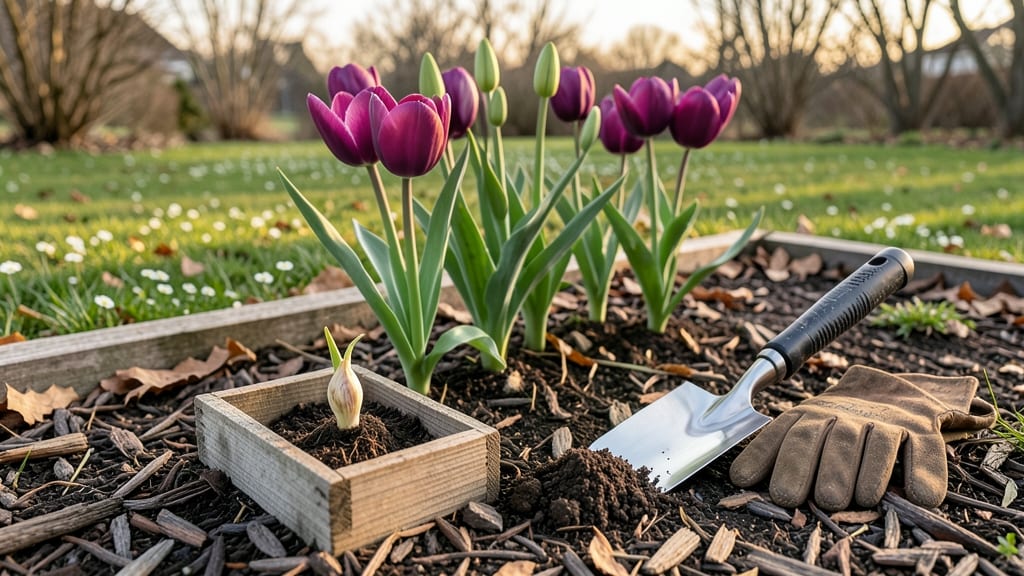
Planting flowers in spring is all about timing—wait until after your last frost date, when soil warms to 60°F, and your garden will reward you with vibrant blooms all season long.
Picture this: you’ve spent months dreaming of a garden bursting with color, only to have your Spring Flowers 🌸 wilt before they even bloom because you planted too soon. The good news? With a little planning, you can avoid that heartbreak and set your garden up for success.
Whether you’re in the chilly USDA Zone 6a or a warmer region, knowing when to plant makes all the difference. Some flowers, like pansies, thrive when planted early, while others, like tomatoes, need to wait until the soil is reliably warm.
In this guide, I’ll break down the best times to plant by zone, share pro tips for soil prep, and help you pick the right flowers for your climate. Ready to turn your spring garden into a showstopper?
USDA Zone-specific spring flower planting timeline by region
Spring flower planting isn’t a one-size-fits-all task—your USDA zone and local microclimate determine the perfect timing to avoid frost damage. Coastal areas often have milder winters, while inland zones face harsher last-frost dates.
For example, Zone 3 gardeners might wait until mid-May, while Zone 10 can start as early as January. Understanding these differences ensures your annuals, perennials, and bulbs thrive.
Before planting, check your average last-frost date—this is the critical marker for when soil warms enough to support tender roots. In colder zones, hardy perennials like coneflowers can handle early spring planting, but frost-sensitive annuals like impatiens need to wait until all danger of frost has passed.
Coastal regions may adjust their timelines by 2-4 weeks earlier than inland areas due to moderating ocean breezes.
Comparison Table: USDA Zone Planting Windows
For Zone 3-4 gardeners, focus on cold-hardy annuals like sweet peas and early-blooming perennials such as columbines. These varieties tolerate cooler soils and can even handle light frosts.
In contrast, Zone 9-10 gardeners can plant tropical annuals like begonias and impatiens as early as January, provided they’re protected from unexpected cold snaps.
Soil temperature is just as critical as air temperature. Use a soil thermometer to confirm it’s reached 60°F (15°C) before planting tender annuals. In Zone 5-6, this often aligns with late April to early May, while Zone 7-8 can start as early as mid-March.
Coastal areas in these zones may see 1-2 weeks earlier planting due to milder microclimates near the ocean.
Bulbs like tulips and daffodils are exceptions—they should be planted in fall (6-8 weeks before the ground freezes) to establish roots before winter. However, spring-blooming bulbs like crocuses can be planted in early spring if fall planting was missed.
For these, aim for March in Zone 5 or February in Zone 7.
Pro tip: Hardening off young plants is essential before transplanting. If you started seeds indoors, expose them to gradual outdoor conditions for 7-10 days before their final planting date. This helps prevent transplant shock, especially for frost-sensitive annuals like marigolds and zinnias.
Adjust your timeline based on microclimates—south-facing slopes warm faster than shaded areas, and urban heat islands can delay frost. Always monitor local weather forecasts and use a frost calendar from your Cooperative Extension Service for the most accurate data.
With the right timing, your spring garden will bloom earlier and more vigorously than ever before.
🌱
Best spring flowers to plant by type and growth speed
Spring gardens thrive when you match your flowers to their natural growth rhythms. Fast-blooming annuals like pansies and sweet peas can be planted as soon as soil is workable, while slow-starting perennials such as lavender and coneflowers need a head start indoors or early outdoor planting. Bulbs like tulips and daffodils have their own ideal timing—often in fall, but some varieties can be planted in early spring.
Let’s break down the best options based on how quickly they’ll reward you with color.
Your garden’s success depends on understanding each flower’s growth speed and frost tolerance. Annuals like sweet peas and cosmos shoot up quickly, giving you blooms in just 6-8 weeks. Perennials like black-eyed Susans take longer but return year after year.
Bulbs like daffodils are patient, storing energy underground until spring bursts them into bloom. Choosing the right mix ensures your garden stays vibrant from early spring through summer.
Here’s a quick reference for the best spring flowers by type, including their ideal planting windows and care requirements.
| Type | Plant Name | Planting Window | Growth Speed | Care Tips |
|---|---|---|---|---|
| Fast-Blooming Annuals | Pansies | After last frost (March-April) | 6-8 weeks to bloom | Full sun to partial shade; water consistently. |
| Fast-Blooming Annuals | Sweet Peas | Early spring (Feb-March) | 8-10 weeks to bloom | Trellis support; moderate watering. |
| Slow-Starting Perennials | Coneflowers | Early spring or fall (March or Sept) | 10-12 weeks to bloom | Full sun; drought-tolerant once established. |
| Slow-Starting Perennials | Lavender | Early spring (March-April) | 12-16 weeks to bloom | Well-draining soil; minimal watering. |
| Bulbs | Tulips | Early spring (March) or fall (Sept-Oct) | 8-10 weeks to bloom | Full sun; plant bulbs 6-8 inches deep. |
| Bulbs | Daffodils | Early spring (March) or fall (Oct-Nov) | 6-8 weeks to bloom | Full sun to partial shade; deer-resistant. |
For fast-blooming annuals, timing is everything. Plant pansies and sweet peas as soon as your last frost date passes—typically in March or April.
These flowers thrive in cooler temperatures and will reward you with blooms in just a few weeks. Sweet peas, in particular, benefit from early planting, even if you need to start them indoors under grow lights.
Don’t wait until the soil is warm; these cool-season lovers perform best when planted early.
If you’re dreaming of long-lasting perennials, focus on coneflowers and lavender. These plants take a bit longer to establish but will return year after year with minimal care.
Plant them in early spring or fall to give their roots time to settle before summer heat arrives. Lavender, especially, hates soggy soil, so choose a spot with excellent drainage. Once established, these perennials are drought-tolerant and low-maintenance—perfect for busy gardeners.
For bulbs like tulips and daffodils, early spring planting is ideal if you missed the fall window.
These plants store energy underground, so planting them in March or April ensures they’ll have enough time to root before blooming. Daffodils are particularly hardy and can even handle light frosts, making them a great choice for early-season color.
Just remember to plant them at the correct depth—typically 6-8 inches deep—to encourage strong root growth.
Pro tip: Mix fast-blooming annuals with slow-starting perennials to create a garden that stays lively from spring through summer. Start with