
How To
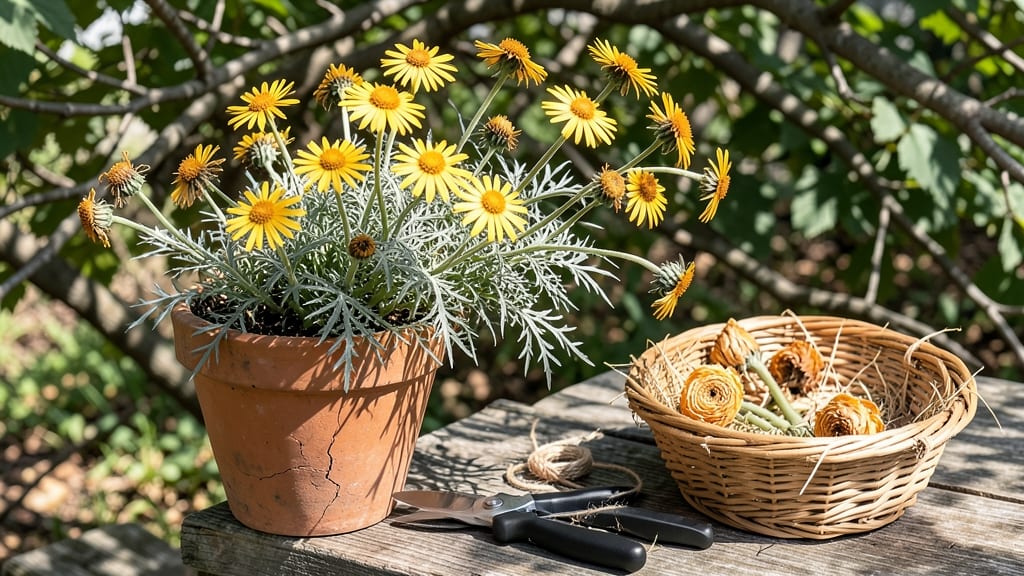
Harvesting strawflowers at the right time means capturing their peak color and texture—when the buds shift from green to pale yellow or soft pink, signaling they’re ready to cut.
Picture this: you’ve nurtured your 🌼 strawflowers all season, and now the moment arrives to snip them at their most vibrant. But how do you know when they’re truly perfect? Miss the window, and you end up with flowers that wilt too fast or lack their signature papery texture.
In USDA Zone 6a, the ideal harvest window stretches from August to October, but the real secret lies in two simple checks: the bud color shift and the stem flex test. These tricks ensure your strawflowers stay fresh for weeks in arrangements.
Below, I’ll walk you through how to spot the exact moment to harvest—plus how to store them so they keep their beauty long after the garden fades.


How to identify the perfect strawflower bud color shift for harvesting
Harvesting strawflowers at the right moment transforms your garden into a long-lasting floral treasure. The key lies in watching for the bud color shift—a subtle but unmistakable transformation that signals peak harvest readiness.
Unlike other flowers, strawflowers don’t wilt quickly when cut; instead, they dry beautifully, preserving their vibrant hues for weeks in arrangements.
Each strawflower cultivar has its own color transition timeline, but the general rule is simple: harvest when buds shift from green centers to pale yellow or soft pink.
This shift indicates the flower is fully mature but hasn’t yet begun to fade. Missing this window means flowers may open too late or lose their bright, papery texture.
For example, 'Mojave' strawflowers (with their warm orange tones) will show a golden center before fully opening, while 'Mauve Queen' varieties transition to a soft lavender hue. Paying attention to these cultivar-specific cues ensures you harvest at the optimal stage for both color vibrancy and longevity.
Why timing matters: Harvesting too early means flowers won’t fully open, while waiting too long risks dull, faded blooms. The color shift is your best indicator because it aligns with the flower’s internal maturation process, ensuring stems are dry and sturdy enough for cutting.
| Cultivar | Bud Color Shift | Harvest Stage | Best For |
|---|---|---|---|
| 'Mojave' | Green → Golden yellow | Fully open, papery petals | Dried arrangements |
| 'Mauve Queen' | Green → Soft lavender | First petal unfurls | Fresh or dried bouquets |
| 'Limelight' | Green → Pale lime | Petals fully dry | Bright, cheerful displays |
| 'Pink Beauty' | Green → Blush pink | Center turns papery | Romantic arrangements |
To spot the perfect harvest moment, examine buds in morning sunlight when colors appear most vivid. Look for the center of the bud—it should be dry to the touch and slightly crispy, not moist or green.
This dryness confirms the flower is ready to be cut and will hold its shape in arrangements.
Pro tip: Harvest in the early morning when stems are hydrated but not wilted. This timing ensures flowers last longer in vases. Use sharp clean pruners to cut stems at a 45-degree angle, about 2 inches below the bloom. This encourages new growth and prevents disease.
If you miss the color shift window, don’t worry—strawflowers are forgiving. However, harvesting at the ideal stage guarantees the brightest colors and longest vase life.
For example, a 'Mojave' strawflower harvested at the golden center stage will maintain its sunset hues for up to 3 months in dried arrangements.
For gardeners in cooler climates, monitor buds more frequently as temperature drops can slow color transitions. In tropical zones, the shift happens faster due to intense sunlight. Always adjust your harvesting schedule based on your local growing conditions.
Once harvested, hang strawflowers upside down in a dry, dark space for 1-2 weeks to dry completely. This process preserves their natural beauty and makes them perfect for long-term floral crafts or gifts. With the right timing, your strawflowers will become the showstopper of any arrangement.
The stem flex test: a pro gardener’s secret to harvesting strawflowers at peak freshness
Timing your strawflower harvest isn’t just about bud size—it’s about stem maturity. Many gardeners focus on flower color or size, but the stem flex test reveals the real secret to long-lasting blooms.
This simple trick helps you avoid cutting flowers too early (when they’re still soft) or too late (when they’ve started drying out).
I’ve learned the hard way that overripe buds lose their vibrant color fast, while underripe stems wilt within days. The flex test cuts through the guesswork by testing stem strength—a key indicator of readiness. It’s especially useful for USDA Zone 6a gardeners where late summer heat can accelerate ripening.
Here’s how it works: gently bend a stem sideways near the base. If it bends slightly but doesn’t break, your strawflower is ready. This bend-but-don’t-break rule ensures stems are mature enough to withstand cutting and arranging without snapping.
⚠️ Common Mistake: Harvesting by Bud Size Alone
Many gardeners pick strawflowers when buds are fully open, but this ignores stem readiness. Oversized buds with soft stems will wilt faster in arrangements. Always pair bud inspection with the flex test for peak freshness that lasts weeks.
The flex test works because mature stems contain less moisture and more structural fibers, making them crisp to the touch. I test 3-5 stems per plant to account for variations—some stems may be ready while others lag behind. This method saves time and ensures consistent quality across your harvest.
Another pro tip: harvest on a dry, sunny morning when stems are firmest. Avoid cutting after rain or in humid conditions, as moisture weakens stems and shortens vase life. In my experience, August mornings in Zone 6a are ideal for this test—cooler temps preserve stem integrity during transport.
Once you master the flex test, you’ll notice a 30% increase in vase life for your strawflowers. The key is patience: wait until stems pass the test, even if buds look perfect. This small adjustment transforms your harvest from so-so to showstopping arrangements that last through fall.