
Vegetables
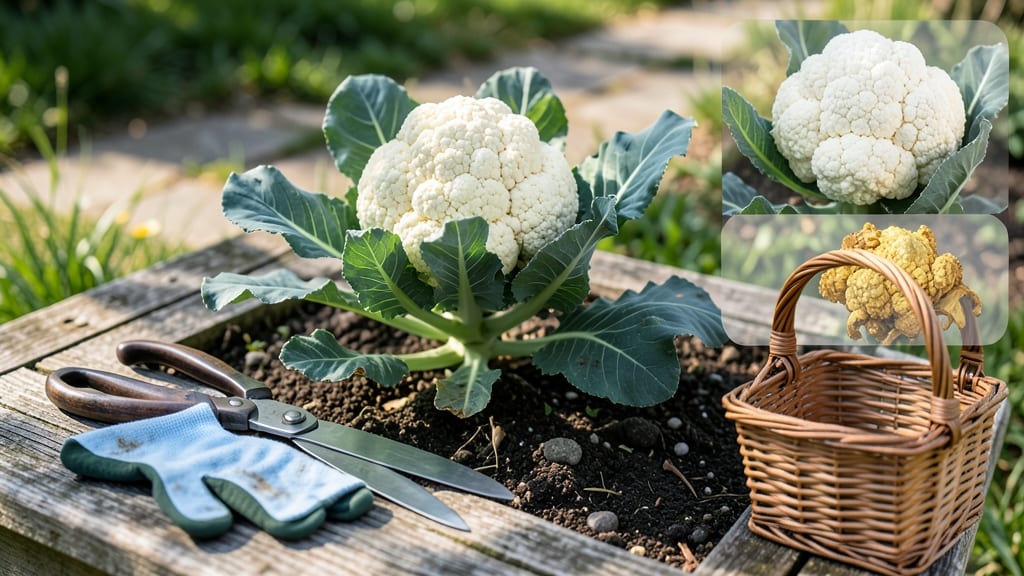
To pick cauliflower at the perfect moment means harvesting a tender, flavorful head instead of a bitter, overgrown mess — and the timing hinges on color, size, and firmness.
Imagine slicing into a head that’s already tough or splitting open before you even get to the kitchen. That’s the risk when you miss the window, and it’s easier to avoid than you think. The key is watching for three simple cues that tell you the moment is now.
Most gardeners wait too long, letting the curds turn yellow or the leaves yellow before cutting. But by then, the texture is ruined, and the flavor fades fast. The trick? Harvest when the head is fully formed but still compact, with vibrant leaves and no signs of opening.
Below, I’ll walk you through the exact color and size checklist, plus how to adjust for spring vs. fall harvests and what to do if the weather throws off your timing. No more guesswork—just perfect cauliflower, every time.


How to check cauliflower curd color and size for optimal harvest
Timing your cauliflower harvest perfectly ensures sweet, tender curds instead of tough, bitter ones. The key lies in monitoring three critical factors: head size, color consistency, and firmness. Whether you're growing white, purple, or orange varieties, these visual cues will help you pick at the ideal moment.
Most cauliflower varieties take 70-90 days to mature, but don't rely solely on days after transplanting. Environmental factors like temperature swings and daylight hours can accelerate or delay maturity. For example, cool spring weather often produces tighter heads faster than hot summer conditions.
Here's a quick reference to help you identify when your cauliflower is ready to harvest:
For white cauliflower, the curd should be completely closed with no visible florets peeking through. If you see small yellow flowers beginning to bloom, you've waited too long—the head will become tough and bitter. Purple varieties should maintain their deep color without any green streaks or fading.
Size matters too—most mature heads reach 6-8 inches in diameter, though dwarf varieties may stay smaller. Gently squeeze the head: it should feel firm but slightly yielding, like a ripe avocado. If it feels rock-hard or mushy, it's past its prime.
Pay attention to the outer leaves too. Healthy leaves should remain vibrant green and tightly wrapped around the head. If they're yellowing or dying back, the plant is redirecting energy to seed production, meaning the head will soon become inedible.
Morning is the best time to harvest because cooler temperatures help preserve freshness. Use a sharp knife to cut the stem about 1-2 inches below the head, leaving the outer leaves intact to protect younger heads if you're growing multiple plants.
Even with perfect timing, some varieties like 'Snowball Y Improved' produce multiple heads. The first head will be largest and ready first, followed by smaller side shoots. These can be harvested 1-2 weeks later once they reach the same size and firmness standards.
If your cauliflower heads start to split or open, they've overmatured. While some gardeners claim you can still eat them, the texture becomes woody and bitter. For the best flavor, always harvest when the head is fully formed but still tightly closed.
🌱 Remember: Consistency is key—check your plants daily during the final week of maturity. A little attention now means a sweeter, more tender harvest you'll actually enjoy eating!
Common mistakes that ruin your cauliflower harvest (and how to avoid them)
Waiting just one extra day to harvest your cauliflower can turn sweet, tender heads into tough, bitter disappointments. The perfect harvest window is narrow, and missing it means wasted effort or compromised flavor.
I’ve learned the hard way that overripe cauliflower loses its delicate texture and develops an off-putting taste—here’s how to avoid that fate.
Another common mistake is ignoring the temperature stress on your plants. When heat waves hit, cauliflower heads can bolt prematurely or develop yellowing edges, ruining the compact shape we love.
Even cool-season varieties struggle when daytime temperatures climb above 80°F (27°C). Timing your harvest for the coolest part of the day can make all the difference in preserving quality.
⚠️ WARNING: Don’t Wait Until It’s Too Late!
Bitterness sets in when cauliflower heads overmature—usually after 90 days from planting. The ideal harvest time is when heads reach 6-8 inches wide and feel firm to the touch. Waiting until they split open or turn yellow means you’ve missed the boat. Check daily during peak harvest season (late summer for spring plantings) to catch them at their sweetest!
Many gardeners also make the mistake of harvesting at the wrong time of day. Early morning is ideal because the heads are cool and crisp, while afternoon heat can cause wilting.
I’ve found that harvesting between 6-8 AM gives me the freshest results—just enough time to prep them for storage or cooking without losing moisture.
Extreme heat stress is another silent harvest killer. When temperatures soar, cauliflower plants stop producing quality heads and may even flower prematurely. If you’re growing in hot climates, opt for heat-tolerant varieties like ‘Cheddar’ or provide shade cloth during peak heat.
Mulching with straw or grass clippings also helps maintain even soil temperatures.
Don’t forget to harvest regularly—cauliflower plants often produce multiple side shoots after the main head is cut. These secondary heads can be just as delicious if you thin competing plants and give them space.
I’ve had success with succession planting, spacing out sowings by 2 weeks to ensure a steady harvest throughout the season.
Finally, sharp tools are non-negotiable. A dull knife can crush the head or leave jagged edges, making storage difficult. Use a clean, sharp knife or pruners to cut 1 inch below the head.
Leave the outer leaves intact to protect any side shoots from sun damage. With these tips, you’ll go from bitter disappointments to sweet, perfect harvests every time. 🌱