
Flowers
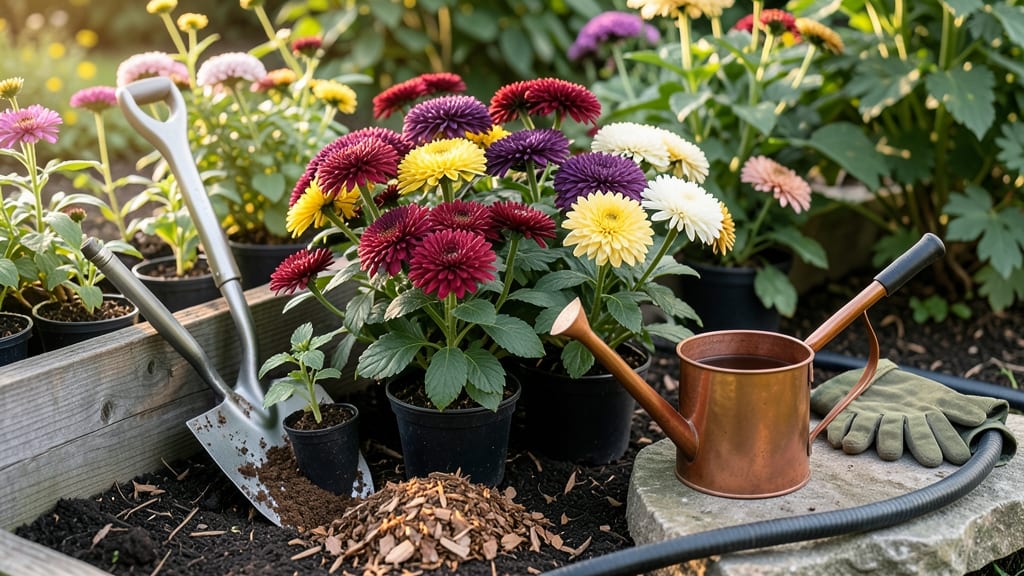
Planting fall flowers in Georgia between mid-August and mid-October unlocks a burst of color that lasts through the crisp air of autumn.
You’ve probably noticed how Georgia’s mild fall weather creates the perfect window for planting flowers that thrive in cooler months—just timing them right ensures vibrant blooms from late autumn through winter. Miss the mark, and you risk frost damage or weak growth.
Most gardeners in USDA Zones 7b-8b aim for early September as the sweet spot, but local microclimates can shift that window by two weeks.
Whether you’re planting mums, asters, or salvias, the key is getting them in the ground 4-6 weeks before the first frost—usually mid-November in most of the state.
Below, I’ll break down the exact planting dates by flower type, how to adjust for frost risks, and the top 5 low-maintenance varieties that shine in Georgia’s climate. You’ll also find tips on soil prep and post-planting care to keep your garden looking its best all season long.
Best fall flower planting dates in Georgia by USDA Zone 7b-8a
Georgia’s fall planting season offers a golden opportunity to transform your garden into a colorful autumn escape. With USDA Zones 7b-8a, you can plant flowers that thrive in cooler temperatures while avoiding early frost damage.
The key is understanding the optimal planting windows for each variety to maximize bloom duration.
In Georgia, late summer through early fall (mid-August to mid-October) is ideal for planting cool-season flowers. This timing allows roots to establish before winter while giving plants enough time to produce vibrant blooms before the first frost.
However, microclimates vary—northern Georgia (Zone 7b) has earlier frosts than southern areas (Zone 8a), so adjust accordingly.
For Zone 7b gardeners (e.g., Atlanta, Dahlonega), aim to plant 4-6 weeks before the average first frost, typically around October 15th. In Zone 8a (e.g., Savannah, Macon), you can extend planting until mid-November for varieties like pansies that tolerate light frost.
If you miss the ideal window, don’t panic! Late plantings (up to mid-October) still work for fast-growing varieties like calendula or sweet alyssum. These cool-season bloomers will reward you with early spring color if planted in late fall.
Pro tip: Soil temperature matters more than air temperature. Use a soil thermometer to ensure it’s above 50°F before planting. In Georgia’s humid climate, well-draining soil prevents root rot, especially for container-grown flowers.
After planting, mulch around the base with 2-3 inches of straw to retain moisture and regulate soil temperature. This simple step can extend bloom duration by 2-3 weeks in cooler microclimates like the Blue Ridge Mountains.
For container gardens, choose compact varieties like 'Bonanza' mums or 'Matrix' pansies. These thrive in 5-gallon pots and can be moved to protected spots if frost threatens. Just ensure pots have drainage holes to prevent waterlogging.
Remember: Frost dates vary yearly. Check the National Weather Service for your localized frost forecast. In 2023, Atlanta saw frost as early as November 10th, while Savannah rarely frosts before December 15th. Adjust your planting timeline based on these patterns.
With the right timing, your Georgia garden can burst with autumn color from September through December. Start with these cool-season stars, and you’ll enjoy low-maintenance beauty that outshines summer blooms. Happy planting! 🌼
How to adjust planting timing for Georgia’s frost risks
Georgia’s fall frost dates vary dramatically between regions—Atlanta’s USDA Zone 7b typically sees its first frost around mid-November, while Savannah’s Zone 8a often holds off until late November.
These differences mean your planting window could shift by 3-4 weeks, making precise timing critical for fall flowers like mums and pansies.
To maximize blooms, I always aim to plant 4-6 weeks before the average first frost in my area. This gives flowers enough time to establish roots and produce vibrant blooms before winter sets in.
For example, in Atlanta, that means starting by early October, while Savannah gardeners can push planting until mid-October.
⚠️ callout-warning ⚠️
Don’t rely on general frost dates—elevations and urban heat islands (like Atlanta) can cause earlier frosts than rural areas. Check your exact last frost date using the National Weather Service or local Cooperative Extension Service for 3-5 years of data.
Pro Tip: Plant cold-hardy varieties like ornamental kale or pansies 2 weeks earlier than your frost date—they’ll reward you with longer blooms in cooler weather.
One of my favorite tricks to extend the fall season is using row covers or frost blankets. These lightweight fabrics trap heat during the day and release it slowly at night, often adding 2-4°F protection.
For delicate flowers like snapdragons, I’ll cover them when nighttime temps drop below 35°F, which can push blooms into December.
For soil warming, I swear by black plastic mulch laid down in late August. It absorbs sunlight and keeps the soil 5-10°F warmer than bare ground, helping slow-growing varieties like asters establish faster. Just remember to remove it before planting to avoid overheating roots.
Another game-changer? Choosing cold-tolerant varieties. Plants like Russian sage or sedum thrive in Georgia’s fall chill and often rebloom in spring. I always check seed packets for USDA Zone 7a ratings—these are 1 zone harder than most of Georgia and handle unexpected 20°F dips better.
To calculate your personal frost date, I recommend averaging the last frost dates from the past 5 years in your area.
For example, if your neighborhood’s frost dates were Nov 12, Nov 18, Nov 5, Nov 10, and Nov 8, your average first frost would be Nov 10. Planting 6 weeks before that gives you a safe window of early September.
With these adjustments, you’ll turn Georgia’s fall chill into a bloom bonanza—just don’t wait until October 15th to start! The earlier you plant, the more time your flowers have to root deeply and resist frost. Happy gardening! 🌼