
Flowers
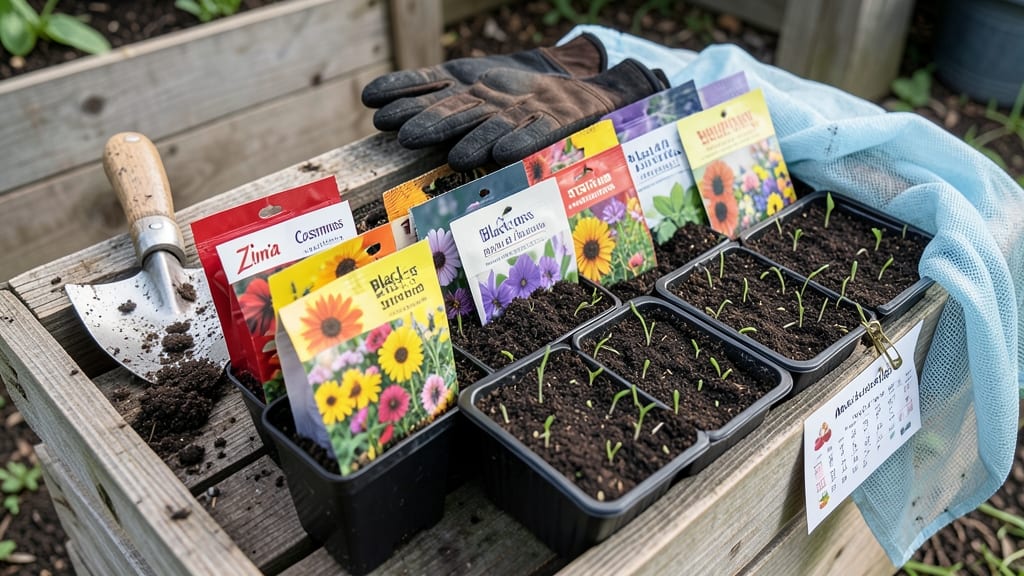
Planting flower seeds in Kansas at the right time means the difference between a garden bursting with color and one that fizzles out before summer 🌸.
Timing your flower seed planting in Kansas can mean the difference between vibrant blooms and wasted effort—get the schedule wrong, and you risk losing seedlings to frost or heat. With USDA Zones 6-7's unpredictable spring weather, knowing exactly when to plant is your secret weapon for a show-stopping garden.
Most Kansas gardeners plant flower seeds in late winter to early spring, but the exact timing depends on your zone—Zone 5b needs to wait until after the average last frost date of April 1, while Zone 7a can start as early as late February.
Annuals like marigolds and cosmos thrive when sown directly into warm soil, while perennials often need a head start indoors.
Below, I break down the best planting windows by month, frost dates for your zone, and how to adjust for Kansas’ dry winds and clay-heavy soil. You’ll learn which flowers to start indoors, when to direct-sow, and how to stretch your season for nonstop blooms from spring through fall.
Kansas flower seed planting calendar by month: frost dates & hardiness zones 6-7
Kansas gardeners know timing is everything—especially when it comes to planting flower seeds. With USDA Zones 6-7 and average last frost dates between April 15 and May 15, you need a flexible plan that accounts for both early spring bloomers and heat-loving annuals.
I’ve broken down the best planting windows for cold-hardy flowers like pansies and warm-season favorites like marigolds, so you can maximize your garden’s potential without risking frost damage or wasted seeds.
Your first step is understanding Kansas’ two distinct planting seasons: spring (March–May) and fall (August–September). Spring is ideal for cool-season flowers, while fall gives heat-sensitive varieties a head start before winter.
I’ll walk you through month-by-month planting schedules, including when to start seeds indoors, transplant seedlings, and direct-sow in the garden. Pro tip: Use a soil thermometer to confirm warmth—most seeds need soil temps of 50–70°F to germinate successfully.
| Month | Flowers to Plant | Method | Notes |
|---|---|---|---|
| March | Pansies, Snapdragons, Sweet Alyssum, Calendula | Direct sow or transplant seedlings | Cold-hardy; protect with row covers if frost threatens |
| April | Marigolds, Zinnias, Cosmos, Sunflowers, Petunias | Direct sow after last frost (Zone 7) or transplant hardened seedlings (Zone 6) | Wait until soil temps reach 60°F+ for warm-season flowers |
| May | Basil (flower companion), Nasturtiums, Geraniums, Lavender | Direct sow or transplant | Succession plant zinnias/cosmos every 2 weeks for continuous blooms |
| August | Pansies, Sweet Peas, Stock, Calendula | Direct sow or start indoors for fall transplanting | Avoid planting too late—seeds need 6–8 weeks to mature before frost |
| September | Snapdragons, Sweet Alyssum, Dianthus, Lobelia | Transplant seedlings or direct sow | Use mulch to extend root growth before winter |
March is your window for cold-tolerant flowers like pansies and snapdragons, which can handle light frosts. Start seeds indoors 6–8 weeks before your last frost date (early March for Zone 6, late February for Zone 7) to give them a head start.
For direct sowing, wait until soil temperatures stabilize above 40°F. Use row covers or cold frames if late frosts linger—these can protect seedlings down to 20°F.
April marks the transition to warm-season flowers, but don’t rush! Wait until the average last frost date (April 15 in Zone 6, May 1 in Zone 7) and confirm soil temps are 60°F+ before planting marigolds, zinnias, or sunflowers.
For Zone 6 gardeners, consider starting heat-lovers like cosmos indoors in early April to transplant after frost. In Zone 7, you can direct-sow most annuals by mid-April.
May is all about succession planting and filling gaps. If you missed the April window for zinnias or cosmos, sow a second batch in early May for summer-long blooms. This month is also perfect for perennials like coneflowers or black-eyed Susans, which benefit from a long growing season.
Water deeply after planting to encourage root establishment, especially if Kansas’ windy conditions dry out soil quickly.
Don’t overlook fall planting—August and September offer a second chance for cool-season flowers. Start pansies and sweet peas indoors in early August to transplant by late September. These flowers thrive in cool autumn temps and often bloom until first frost.
For direct sowing, aim for 6–8 weeks before your first frost date (October 15 in Zone 6, November 1 in Zone 7) to ensure mature plants before winter sets in.
Kansas’ unpredictable weather means you’ll need backup plans. Always have row covers or cloches on hand for late frosts, and monitor 7-day forecasts when planting heat-sensitive varieties. If a heatwave hits in May, shade cloth can protect young seedlings from scorching.
For drought-prone areas, mulch heavily around newly planted flowers to retain moisture and regulate soil temperature.
Pro tip: Keep a gardening journal to track your planting dates and outcomes. Note when specific flowers thrive in your microclimate—some years, Zone 6 might mimic Zone 7’s milder springs, while Zone 7 could face earlier frosts.
Adjust your schedule yearly based on your observations, and don’t hesitate to experiment with succession planting for nonstop color.
With this calendar, you’ll avoid the common mistakes of planting too early (frost damage) or too late (missed blooms). Whether you’re a beginner or a seasoned gardener, mastering these timing cues will transform your Kansas garden into a year-round floral paradise. Happy planting!
How to adjust planting times for Kansas’ unpredictable weather patterns
Kansas’ spring weather can swing from freezing nights to 90-degree days in weeks, making precise planting timing critical. Unlike coastal regions, our USDA Zones 6-7 experience rapid temperature shifts that demand flexibility.
I’ve learned the hard way—planting too early risks frost damage, while waiting too long can stunt growth before summer heat arrives.
To navigate this challenge, I rely on three key strategies: soil temperature checks, protective row covers, and backup planting dates tailored to each zone. These methods have helped me extend my growing season by 3-4 weeks without sacrificing plant health.
The secret lies in understanding your specific microclimate and having contingency plans for when Mother Nature throws curveballs.
- 🌡️ Soil temp must stay above 50°F for 7+ days before planting heat-loving flowers like marigolds
- 🛡️ Use floating row covers for 2-3 weeks after transplanting to shield from unexpected cold snaps
- 📅 Zone 6 backup dates: Shift planting to May 1-15 for heat-tolerant varieties like zinnias
For Zone 7 gardeners, the window opens slightly earlier—typically March 15-April 15 for cool-season flowers like pansies. However, even here, I’ve seen 30°F drops in April that can devastate young seedlings.
My solution? Start half my seeds indoors 4-6 weeks before the recommended outdoor date, then transplant only after two weeks of stable 55°F+ soil temps.
When heat arrives unexpectedly (and it will), switch to shade-loving varieties like cosmos or nasturtiums, which tolerate 90°F+ temperatures better than traditional annuals. I’ve also had success with succession planting—sowing every 2 weeks from April through June ensures continuous blooms regardless of weather delays.
This works especially well for fast-growing flowers like alyssum or snapdragons.
Don’t overlook drought preparedness, either. Kansas’ unpredictable rains mean some years bring 60% less precipitation than others. My go-to drought strategy? Deep watering every 3-4 days combined with 2-3 inches of mulch to retain moisture.
For containers, I use self-watering pots filled with moisture-retentive soil mixes to prevent wilting during heatwaves.
To put it all together, I’ve created a simple risk-assessment checklist before planting: ☑️ Check 7-day forecast for temperature swings ☑️ Test soil temperature with a thermometer (50°F+ for most flowers) ☑️ Have row covers ready for late frosts ☑️ Select 2-3 backup varieties with different heat tolerances ☑️ Schedule succession plantings every 2 weeks This system has cut my seedling losses by 70%+ over the past five years.
Remember, Kansas gardening rewards flexibility. What works in Wichita (Zone 7a) may fail in Hays (Zone 6b), so always adjust timelines based on your local microclimate. With these strategies, you’ll turn our unpredictable weather into an advantage—not a setback.