
Flowers
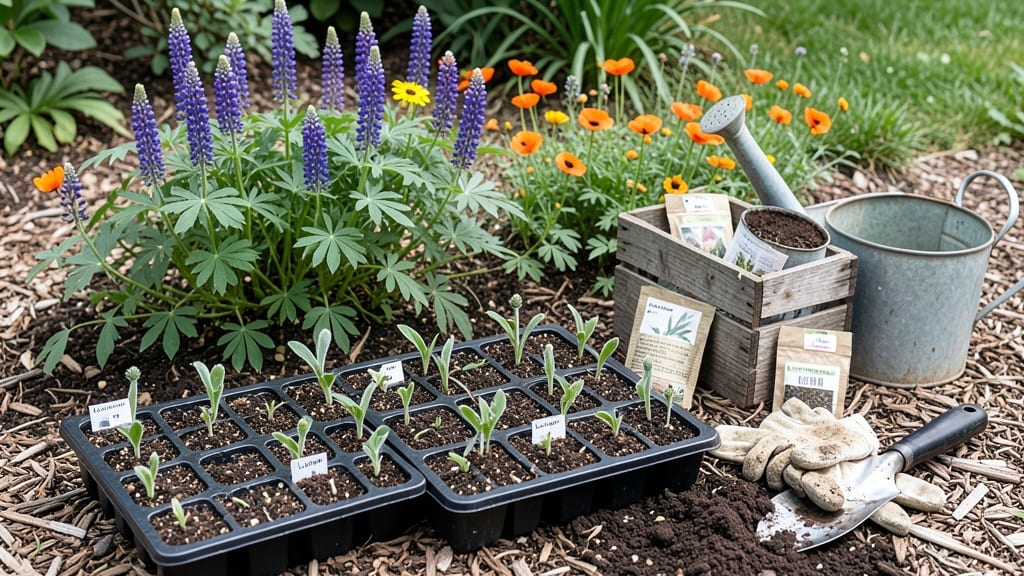
To plant flowers in California means timing it right—whether you're in frost-prone valleys, coastal fog belts, or desert heat zones, each microclimate demands its own schedule.
Picture this: your neighbor in San Francisco plants marigolds in March, while your friend in Palm Springs waits until November. California’s diverse climates mean a one-size-fits-all approach won’t cut it—so how do you know when to dig in your region?
From coastal Mediterranean blooms to desert summer stars, this guide breaks down the ideal planting windows for annuals, perennials, and bulbs, tailored to your exact location.
You’ll discover frost-free dates, soil prep secrets, and the best flowers for each microclimate—so you can enjoy vibrant blooms year-round without guessing.
California flower planting calendar by region: coastal vs. desert vs. Valley timing
California’s three distinct microclimates—coastal, desert, and Central Valley—each demand a unique flower planting schedule. The coastal regions like San Francisco experience mild winters and cool summers, while the desert (think Palm Springs) bakes under intense sun year-round.
The Central Valley, including Sacramento and Fresno, faces hot summers and occasional frost in winter. These differences mean your tulips might bloom in December in the Valley but wait until February along the coast.
To succeed, I focus on three key factors: frost dates, rainfall patterns, and heat tolerance. Coastal areas rarely drop below 35°F, while desert zones can swing from 110°F days to 50°F nights.
The Valley’s frost dates range from November to March, depending on elevation. Understanding these variables ensures your annuals, perennials, and bulbs thrive at the right time.
For coastal gardens, I start planting cool-season annuals like pansies and snapdragons in September-October to take advantage of winter rains. These flowers thrive in 50-60°F temperatures and often bloom until spring.
In February-March, I switch to warm-season favorites like petunias and geraniums, which love the mild coastal summers. Coastal areas also benefit from windbreaks to protect delicate blooms like lilacs from ocean breezes.
In the desert, where frost is a non-issue, I focus on drought-tolerant perennials and succulents. Planting in October-November ensures roots establish before summer heat peaks. Bougainvillea and desert marigolds are my go-tos—they handle 100°F+ temperatures with ease.
I also plant bulbs like amaryllis in February for spring color, as they need cooler nights to bloom. Mulching with gravel (not organic matter) helps retain moisture in the extreme heat.
The Central Valley offers the most traditional planting windows, with March-April ideal for spring bulbs like tulips and daffodils. Frost can still hit in November-March, so I always check local forecasts and protect tender plants with row covers.
For summer blooms, I plant zinnias and cosmos in September to avoid the hottest months. The Valley’s clay soil often needs compost amendments to improve drainage for moisture-loving flowers like dahlias.
One critical exception is Santa Barbara’s Mediterranean climate, which mirrors coastal areas but with slightly warmer winters. Here, I plant calendulas and nasturtiums in late February instead of March, as the soil warms faster.
Meanwhile, Death Valley’s extreme heat means I rely on cacti and agaves year-round, with annuals only in fall to avoid summer’s 120°F+ ground temperatures.
To fine-tune your schedule, I recommend checking the USDA Plant Hardiness Zone Map and adjusting by 1-2 weeks based on local microclimates. For example, urban heat islands in Sacramento can make it 2-3°F warmer than rural areas, so I plant heat-loving flowers like salvias a week earlier.
Always water deeply after planting to encourage root growth, especially in sandy desert soils or clay-heavy Valley gardens.
Pro tip: Use seasonal color wheels to plan blooms that follow each other. For instance, coastal gardens can transition from winter pansies to spring tulips to summer petunias seamlessly. In the Valley, fall mums and winter hellebores bridge the gap between seasons.
With these regional guidelines, your California garden will burst with color year-round—no matter where you live.
🌱
Best flowers to plant by season in California (with localized success tips)
California’s microclimates demand a tailored approach to flower planting. Coastal gardens thrive with spring bloomers like lupines and snapdragons, while desert regions shine with bougainvillea and blanket flowers that withstand summer heat. Central Valley gardeners can extend their season with winter hellebores and crocuses that brave cooler temperatures.
Your planting schedule should align with local frost dates and rainfall patterns. For example, San Francisco’s Mediterranean climate allows early spring planting (February-March), while Death Valley’s extreme heat means summer planting (June-August) for drought-tolerant species. Even within regions, elevation changes—like Mount Shasta’s cooler microclimate—can shift planting windows by weeks.
Here’s a quick reference for California’s three key regions, including seasonal standouts and pro tips to maximize blooms:
| Region | Season | Top Flowers | Planting Time | Pro Tip |
|---|---|---|---|---|
| Coastal (USDA 9-10) | Spring | Snapdragons, Lupines, Sweet Peas | Feb–March | Use windbreaks to protect delicate stems. |
| Desert (USDA 9-11) | Summer | Bougainvillea, Blanket Flower, Desert Marigold | June–July | Amend soil with cactus compost for drainage. |
| Central Valley (USDA 8-9) | Fall/Winter | Hellebores, Crocuses, Daffodils | Oct–Nov | Break up clay soil with gypsum before planting. |
| Mountain (USDA 6-7) | Late Spring | Columbines, Penstemons, Asters | April–May | Mulch heavily to retain moisture in thin air. |
For coastal gardens, prioritize wind-resistant varieties like lupines, which thrive in USDA zones 9-10 and bloom from late spring to summer.
Plant them in well-draining soil and stake taller varieties to prevent flopping in coastal winds. Sweet peas are another winner—sow seeds directly in fall (September-October) for early spring blooms, or wait until February for a summer display.
In desert regions, focus on drought-tolerant perennials like blanket flowers (Gaillardia) and desert marigolds (Baileya). These sun-loving plants thrive with minimal water once established. Bougainvillea, a desert staple, needs full sun and fast-draining soil.
Prune aggressively in late winter to encourage vibrant summer blooms, and fertilize lightly with a low-nitrogen formula to avoid leafy growth over flowers.
If you’re in the Central Valley, where clay-heavy soil can suffocate roots, amend beds with compost and perlite before planting winter bloomers like hellebores. These shade-tolerant perennials provide color when little else does, and their evergreen foliage adds year-round interest.
For spring bulbs, like daffodils and tulips, plant in October-November to ensure they naturalize and multiply over time.
Don’t forget container gardening for urban spaces or small yards! Petunias, geraniums, and calibrachoas thrive in pots and can be rotated seasonally. Use lightweight potting mix and self-watering containers to simplify care, especially in hot inland areas where moisture evaporates quickly.