
Flowers
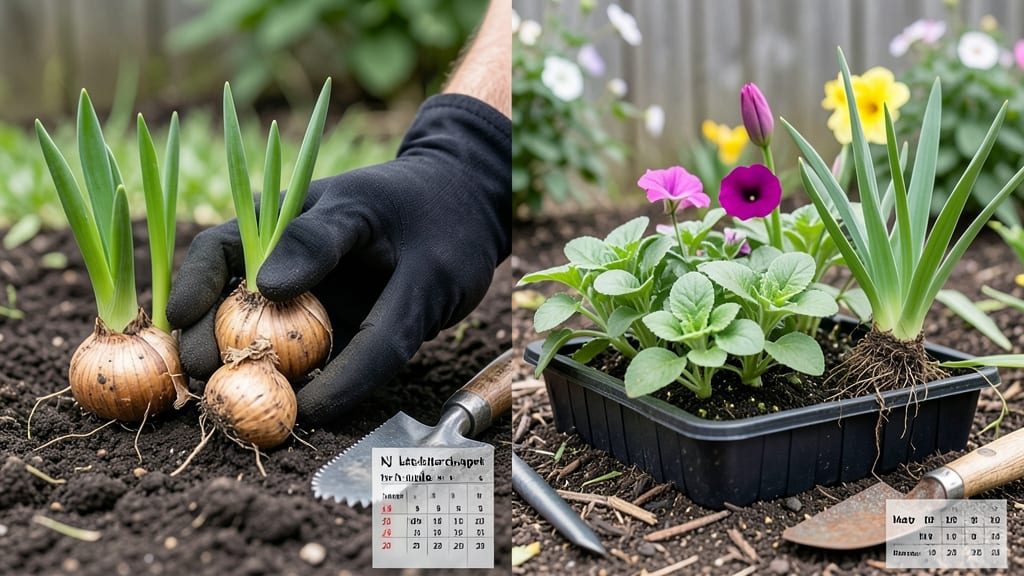
Planting flowers in New Jersey at the right time means the difference between a garden that bursts with color and one that struggles through the seasons.
New Jersey’s unpredictable spring weather can make timing your flower plantings a guessing game—but getting it right means vibrant blooms from spring to fall without costly mistakes.
With USDA Zones 6b-7a across the state, the ideal window shifts from coastal areas to inland valleys, and knowing when to start seeds indoors versus transplanting mature plants is the key to success.
Below, I’ll break down the exact months for annuals, perennials, and bulbs, plus how to adjust for microclimates, soil types, and even late frosts so you can enjoy a garden that thrives year after year.
New Jersey flower planting calendar by season: exact months for best blooms
Timing your flower plantings in New Jersey's USDA Zones 6b-7a means accounting for last frost dates (typically mid-April in Zone 6b and early April in Zone 7a) and summer heat tolerance.
Miss these windows, and you risk wilty seedlings or stunted blooms. My garden thrives when I follow this seasonal rhythm—let me show you how.
Spring is your most critical window for perennials and bulbs, but annuals can wait until after May's last frost. Fall planting (especially cool-season flowers) extends your blooms into early winter. I’ve tested these timelines in my Zone 6b garden—here’s what works.
🌱 Key Rule: Plant hardy perennials (like coneflowers) in early spring (March-April) to establish roots before summer. Heat-loving annuals (like marigolds) go in after Memorial Day to avoid root rot.
For Zone 7a (coastal NJ), shift spring plantings 2–3 weeks earlier—my sandy soil warms faster than clay-heavy inland areas. Test soil temps with a thermometer (60°F+ for most flowers).
My top mistake? Planting tender annuals too early. Impatiens and geraniums wilt in 50°F soil. Wait until May 15th minimum, or use row covers for 2–3 weeks to protect young plants.
Pro Tip: Divide perennials in early spring (March) or fall (September) to rejuvenate crowded clumps. I’ve revived daylilies and hostas this way—just water deeply after transplanting.
Heat waves in July–August can stress flowers. I mulch heavily and water at soil level (not overhead) to prevent fungal diseases. Drought-tolerant picks like lavender and yarrow thrive here.
Fall’s second planting rush (August–September) gives you winter color. Pansies and kale (yes, it’s a flower!) bloom until snowfall. I fertilize lightly in early September to boost root growth before frost.
Plan ahead for next year by marking your calendar with these NJ-specific deadlines:
- March 15th: Last chance for spring bulbs
- May 1st: Safe for tender annuals
How to adjust planting times for New Jersey’s microclimates and soil types
New Jersey’s diverse landscapes—from coastal Zone 7a areas to inland Zone 6b valleys—create unique growing conditions that demand flexibility in your planting schedule. Coastal regions like Cape May experience milder winters, while inland valleys near the Delaware River face earlier frosts.
Understanding these microclimates lets you extend your growing season and protect delicate plants.
Soil type also plays a critical role. Sandy soils drain quickly but lack nutrients, while clay-heavy soils retain moisture but can suffocate roots. Amending your soil with compost or organic matter can bridge these gaps, but timing adjustments are equally important.
For example, coastal areas might safely plant tender annuals like marigolds two weeks earlier than inland zones.
Here’s how to balance these factors for optimal results:
Adjusting for Microclimates in NJ
✅ Coastal Areas (Zone 7a)
- Pros: Longer growing season
- Pros: Warmer soil earlier
- Pros: Less frost risk
Adjustments: Plant tender perennials (e.g., lavender, salvia) 2–3 weeks earlier. Use row covers only for late frosts.
❌ Inland Valleys (Zone 6b)
- Cons: Earlier frosts
- Cons: Colder soil
- Cons: Shorter season
Adjustments: Delay planting heat-loving annuals (e.g., zinnias, sunflowers) until after May 15. Use cold frames to start seeds indoors.
✅ Sandy Soils
- Pros: Warms up faster
- Pros: Drains excess water
Adjustments: Add organic mulch to retain moisture. Plant drought-tolerant flowers (e.g., sedum, yarrow) 1–2 weeks earlier.
❌ Clay-Heavy Soils
- Cons: Poor drainage
- Cons: Compacted roots
Adjustments: Amend with compost or perlite before planting. Choose moisture-loving perennials (e.g., peonies, hostas) and plant after last frost.
Extending your season with row covers or cold frames is a game-changer. For example, I use lightweight row covers over pansies in early spring to shield them from late frosts while still allowing sunlight.
In fall, cold frames let me overwinter hardy annuals like snapdragons until November, giving me blooms well into winter.
Monitor your local frost dates (check the NJ State Climate Office) and adjust planting windows accordingly. Coastal gardeners can push spring plantings to March 15, while inland gardeners should wait until April 1 for most flowers.
For bulbs like tulips, plant in October–November regardless of zone to ensure root establishment before winter.
Finally, don’t overlook the power of mulching. A 2–3 inch layer of straw or shredded leaves keeps soil temperatures stable, helping young plants establish roots faster. In sandy soils, mulch reduces moisture loss, while in clay soils, it prevents crusting.
Pair these adjustments with your local microclimate, and you’ll enjoy longer bloom seasons with minimal stress.