
Plants
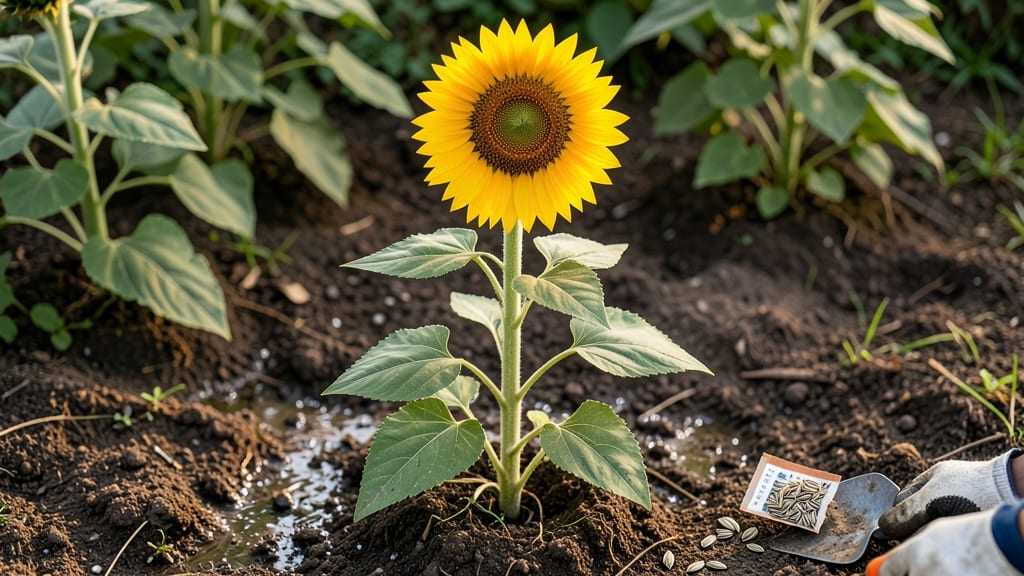
Plant sunflower seeds in Zone 7 about 2-4 weeks before your last frost date—typically mid-April to early May—for the fastest germination and tallest blooms.
Sunflowers bring vibrant color and effortless beauty to any garden—but planting them at the wrong time in Zone 7 can mean slow growth or even failure. Timing is everything for maximizing height, bloom size, and seed production, and these exact guidelines will ensure your sunflowers thrive.
Direct sowing after the soil warms (around 60°F) gives you the best start, but starting seeds indoors 4-6 weeks before transplanting can extend your growing season.
Whether you choose to plant early for giant varieties or wait until late spring for shorter ones, knowing the right window makes all the difference.
Inside, you’ll find the exact weeks before last frost for your Zone 7 garden, soil temperature tips, and how to adjust planting for sunflower types—plus pro tricks to keep your seedlings strong from day one.

Optimal sunflower planting weeks before last frost in Zone 7
Timing your sunflower seeds correctly in Zone 7 ensures fast germination and robust growth. Unlike frost-sensitive plants, sunflowers tolerate light frosts but need consistent warmth to sprout reliably. In my experience, planting 2-4 weeks before your average last frost date gives seeds enough time to germinate without risking frost damage.
For most of Zone 7, this translates to mid-April to early May—but your exact window depends on soil temperature. Sunflower seeds need soil to reach at least 55°F (13°C) for reliable germination. Cold soil delays sprouting and can lead to rot or uneven growth.
To find your precise planting window, check your local last frost date (typically April 15 in Zone 7) and subtract 2-4 weeks. For example, if your last frost is April 20, aim to plant by March 25-April 5. Use a soil thermometer to confirm warmth before sowing.
Here’s a quick reference for Zone 7 sunflower planting based on your goals:
| Planting Method | Weeks Before Last Frost | Soil Temp Requirement | Frost Risk |
|---|---|---|---|
| Direct Sowing | 2-4 weeks | ≥55°F (13°C) | Low (after last frost) |
| Indoor Start (Transplant) | 6-8 weeks | ≥60°F (16°C) for pots | Moderate (harden off seedlings) |
| Late Succession Sowing | 1 week before last frost | ≥50°F (10°C) | High (use frost cloth) |
Direct sowing is my preferred method for sunflowers because they hate root disturbance. Plant seeds 1 inch deep and 6 inches apart in rows spaced 2 feet apart for full-size varieties.
If you’re transplanting seedlings, start them indoors 6-8 weeks before last frost to ensure they’re sturdy enough for outdoor conditions.
For Zone 7 gardeners, late spring plantings (early June) can still yield blooms if you choose fast-maturing varieties (e.g., ‘Teddy Bear’ at 50 days). However, these won’t reach their full height or seed production potential. Always prioritize planting before June 1 for the best results.
Watch for late frosts in May—even sunflowers can suffer if temperatures dip below 28°F (-2°C). Use row covers or plant near heat-retaining structures like brick walls to protect young seedlings. Mulch with straw or grass clippings to maintain soil warmth and moisture.
After planting, keep soil consistently moist but not soggy—sunflowers need 1-2 inches of water per week once established. Avoid overhead watering to prevent fungal diseases like powdery mildew, which thrives in humid conditions.
Pro tip: If your soil is clay-heavy, mix in compost or sand to improve drainage. Sunflowers despise waterlogged roots, which can lead to rot or stunted growth. A quick soil test before planting ensures you’re giving them the well-draining, nutrient-rich conditions they crave.
By following these Zone 7-specific timelines, you’ll enjoy taller stems, bigger blooms, and more seeds—all while avoiding the common pitfalls of late or early planting. Happy growing! 🌻
How to adjust planting time for sunflower variety and maturity goals
Not all sunflowers grow at the same pace, and your planting schedule in Zone 7 should match your variety’s maturity goals. Dwarf sunflowers like 'Teddy Bear' (50-60 days) need earlier starts, while giant varieties like 'Mammoth' (120+ days) require precise timing to avoid late-season frosts.
Adjusting for these differences ensures you get blooms all summer long.
Early-blooming varieties like 'Autumn Beauty' (60-70 days) can handle late April plantings in Zone 7, while late-season types like 'Russian Giant' (130+ days) must go in by mid-May to mature before frost. Succession planting with staggered varieties lets you enjoy sunflowers from July through October.
Here’s how to align your planting with sunflower types—from compact dwarf varieties to towering giant cultivars—plus ideal windows for extending your bloom season.
| Sunflower Type | Days to Maturity | Best Planting Window (Zone 7) | Height Range | Bloom Season |
|---|---|---|---|---|
| Dwarf (e.g., 'Teddy Bear') | 50-60 days | Late March–early April (soil ≥50°F) | 2–4 ft | Early July–August |
| Semi-Dwarf (e.g., 'Moulin Rouge') | 60-75 days | Mid-April–early May | 4–6 ft | July–September |
| Standard (e.g., 'Pro Cut') | 80-90 days | Early May–mid-May | 8–12 ft | August–September |
| Giant (e.g., 'Russian Giant') | 120-140 days | Late April–early May | 10–14 ft | Late August–October |
| Succession Planting Tip | Stagger every 2 weeks | April–June | Mixed heights | July–October |
For extended blooms, plant dwarf varieties first (late March) followed by giant types (early May). This creates a continuous color display from July through frost. In Zone 7, aim for 60–75 days of warm weather after planting to ensure full maturity.
Pro tip: Use black plastic mulch to warm soil faster for early plantings, or row covers to protect late-season seedlings. Adjust spacing too—dwarf sunflowers can grow 6 inches apart, while giants need 2–3 feet to avoid shading neighbors.
With these adjustments, your sunflower garden will thrive regardless of height or bloom time—just match the variety to the planting window and watch them reach their full potential. 🌻