
Flowers
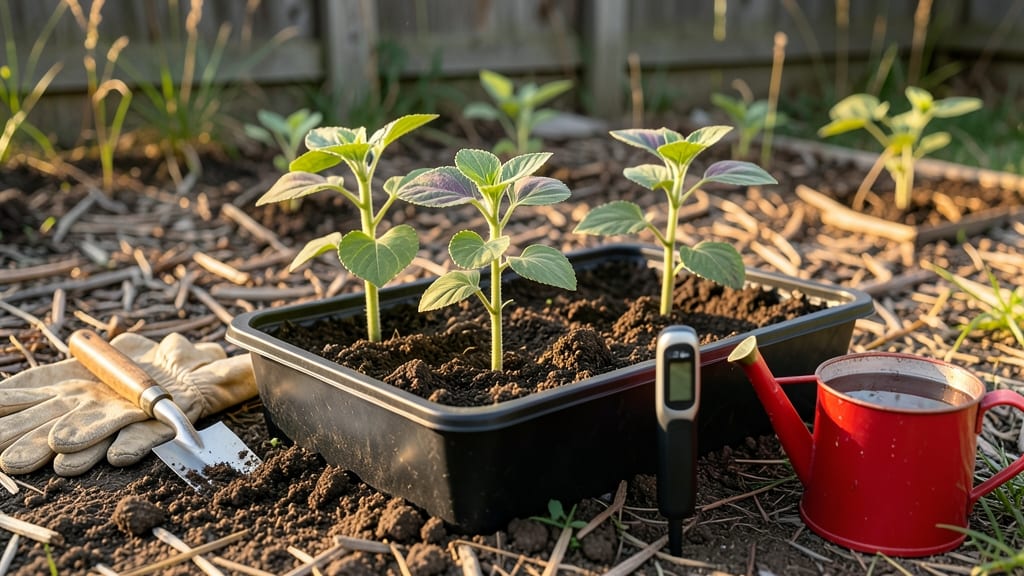
Planting sunflowers in Central Texas after your last frost date — typically around mid-March — is the key to avoiding frost damage and ensuring those towering 🌻 blooms reach their full height.
Sunflowers thrive in Central Texas’s long, hot summers—but planting them too early can mean frost damage, while waiting too long cuts your bloom time short. Timing is everything, and these exact dates will ensure your sunflowers reach their full, golden potential.
Most Central Texas gardeners (USDA Zones 8a-8b) should aim to sow seeds directly in the ground between March 15 and April 15, when soil temperatures consistently stay above 60°F.
This window balances frost risk with summer heat, giving your sunflowers enough time to mature before the brutal July sun peaks.
Below, I’ll break down the exact frost-free math for your region, how to adjust for early/late varieties, and the one trick that extends your bloom season by two extra weeks—no matter where in Central Texas you garden.
Central Texas sunflower planting dates: exact timing to avoid frost and maximize growth
Central Texas gardeners know the golden rule of sunflower success: timing is everything. With USDA Zones 8a-8b and unpredictable last frost dates typically around March 15, planting too early risks frost damage, while waiting too long shortens your bloom season.
The ideal window for sunflowers in Austin, Waco, and San Antonio is mid-March through April, but let's break down exactly why.
Sunflower seeds need consistent soil temperatures above 50°F (10°C) to germinate properly. In Central Texas, this usually happens after March 15, but soil warms faster in urban areas like San Antonio compared to rural Waco.
For maximum growth, aim to plant when daytime temperatures stay above 60°F (15°C) consistently—usually late March to early April.
Here's the critical insight: Sunflowers grow fastest in Central Texas's heat, but they also bolt quickly (go to seed) when days get too long. Planting in late April can mean smaller blooms by summer's end. The sweet spot is March 20-April 15 for full-size, vibrant flowers by June.
| Planting Window | Key Considerations | Best Varieties |
|---|---|---|
| March 15-31 (Urban Areas) | Soil temps >55°F, risk of late frost | Dwarf varieties (e.g., 'Teddy Bear') |
| April 1-15 (Ideal Window) | Consistent 60°F+ soil temps, full sun | Standard types (e.g., 'Mammoth') |
| April 16-30 (Late Window) | Faster growth but smaller blooms | Early-blooming (e.g., 'Autumn Beauty') |
| September 1-15 (Fall Option) | Avoids summer heat stress | Heat-tolerant (e.g., 'ProCut Hybrid') |
Note: Adjust dates 1-2 weeks earlier for higher elevations (e.g., Hill Country)
For gardeners in higher elevation areas like the Hill Country, push planting back 1-2 weeks—these regions experience later last frosts (sometimes April 1) and cooler soils.
Use a soil thermometer to confirm 50°F+ temps before planting. Pro tip: Black plastic mulch warms soil 5-10°F faster, letting you plant 2 weeks earlier in cooler microclimates.
Don't overlook fall planting in Central Texas! While spring is ideal, September plantings avoid peak summer heat and can produce late-season blooms. Aim for September 1-15—this gives sunflowers 8-10 weeks to mature before first frost (usually November 15).
Choose heat-tolerant varieties like 'ProCut Hybrid' for best results.
One common mistake I see is planting sunflowers in February—this is too early for Central Texas's unpredictable frost risks. Even if soil feels warm, nighttime temps can drop below freezing until mid-March.
For extra protection, use row covers or plant near south-facing walls to create microclimates that warm up faster.
Local USDA Zone 8a gardeners (like those in Waco) should prioritize late March planting, while Zone 8b areas (e.g., San Antonio) can start early March. Check your local ag extension office for hyper-local frost data—some years, Austin's frost date shifts by 2 weeks.
For example, 2023 saw a late frost in April that caught many off guard.
Remember: Sunflowers grown from seed (not transplants) have the best drought resistance for Central Texas. Once established, they thrive with minimal watering—but deep watering every 3-5 days during germination (first 2 weeks) is critical. After that, let Texas heat do the work—sunflowers are naturally drought-tolerant once mature.
For maximum height and bloom size, fertilize lightly at planting with a balanced 5-10-10 formula (1 tbsp per plant). Avoid heavy nitrogen—it promotes leafy growth over flowers.
Instead, focus on phosphorus and potassium to support root development and blooming. In summer's peak heat, reduce watering to every 2-3 days to prevent bolting (premature seed production).
With these exact planting dates and Central Texas-specific tips, your sunflowers will reach their full golden potential—towering over your garden with vibrant blooms from June through November. Happy planting! 🌻
How to choose the best sunflower varieties for Central Texas heat and drought resistance
Central Texas’s scorching summers and drought-prone soils demand sunflower varieties that thrive under pressure. The right heat-tolerant hybrids and drought-resistant strains will reward you with vibrant blooms and sturdy stems, even when temperatures soar above 100°F. Prioritizing early-maturing types also ensures you beat the worst heat before flowering.
For cut flower gardens, tall varieties like 'Moulin Rouge' reach 10+ feet while enduring Texas heat. Dwarf types such as 'Teddy Bear' (just 1-2 feet) are perfect for containers and urban balconies, requiring minimal water once established.
Always check for powdery mildew resistance—a common issue in Central Texas’s humid summers.
🌻 Comparison Table: Best Sunflower Varieties for Central Texas
| Variety | Height | Days to Bloom | Drought Tolerance | Best For |
|---|---|---|---|---|
| Moulin Rouge | 10-12 ft | 60-70 days | High | Cut flowers, bouquets |
| Teddy Bear | 1-2 ft | 50-55 days | Very High | Containers, borders |
| Autumn Beauty | 5-6 ft | 55-60 days | Moderate | Pollinators, wildlife |
| ProCut | 8-10 ft | 65-75 days | High | Commercial cut flowers |
| Little Becka | 2-3 ft | 45-50 days | Very High | Patio, drought gardens |
Avoid varieties like 'Russian Giant', which struggle in Central Texas’s heat and often develop stem rot from excessive moisture. Instead, opt for hybrid seeds labeled as heat-tolerant or drought-resistant. These often include waxy leaf coatings that reduce water loss during 100°F+ days.
For fall planting (September), choose fast-maturing types like 'Autumn Beauty' to bloom before the first frost. These varieties also handle temperature swings better than traditional summer sunflowers. Always mulch heavily with straw or wood chips to retain moisture in the root zone.
Test your soil’s drainage before planting—Central Texas’s clay-heavy soils can suffocate roots. Amend with compost or sand to improve airflow. Pair sunflowers with deep-rooted companions like rosemary or lavender to share water resources efficiently.
With the right variety, your sunflowers will outshine even the harshest Texas summers, providing months of vibrant color with minimal fuss. Start with 2-3 varieties to test what thrives in your specific microclimate—your garden (and pollinators!) will thank you. 🌱💧☀️