
Flowers
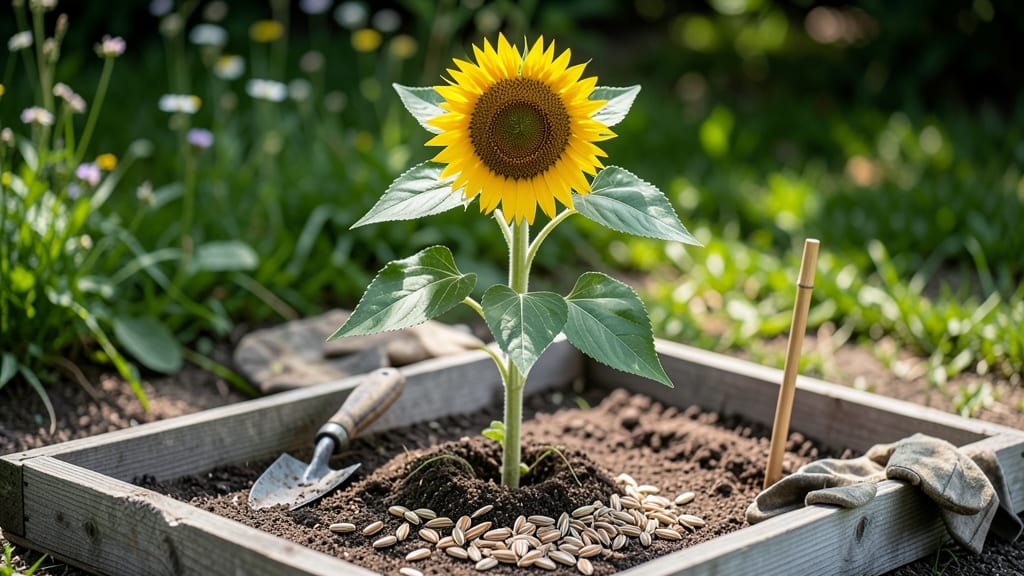
To plant sunflowers in South Carolina at the perfect time means catching the window between last frost and peak summer heat—mid-April to mid-May for spring, or late August for a fall show.
Get it wrong, and you’ll end up with leggy, weak stems or sunflowers that bolt before they bloom. I’ve seen 12-foot giants flop over in a storm because they were planted too late, while early spring seedlings struggled through late frosts.
The right timing turns these heat-loving giants into the showstopper you planted them for.
South Carolina’s 7b-8a climate gives you two chances: a spring planting for summer blooms and a late-summer sowing for fall color. Below, I break down the exact weeks to plant by region, the best heat-tolerant varieties for your zone, and how to stretch your season for continuous blooms.
You’ll leave here knowing exactly when to drop those seeds for the strongest stems, biggest blooms, and a garden that turns heads all season long.
Best planting months for sunflowers in South Carolina by region
South Carolina’s diverse climate means sunflower planting times vary dramatically from the cool Upstate mountains to the humid Coastal Plain. Getting your timing right ensures strong stems and vibrant blooms—not leggy, floppy plants that struggle in heat or cold.
The key? Plant after your last frost date and before summer’s intense humidity peaks.
Sunflowers are heat-loving annuals that thrive when soil temperatures hit 60°F or warmer. In South Carolina, this typically means mid-April to mid-May for spring plantings, with a second chance in late summer (August) for fall blooms.
But regional differences matter—Coastal areas can plant earlier, while Upstate gardens may need to wait until late May.
Direct sowing is the best method for sunflowers, as they hate transplanting and develop weak roots when disturbed. Start seeds 1 inch deep in well-draining soil, 6 inches apart, and thin seedlings to 12-24 inches apart once they’re 4-6 inches tall.
This spacing prevents crowding and ensures strong, sturdy stems.
Here’s how to match your planting window to South Carolina’s three distinct regions, including frost-free dates and heat tolerance factors:
In the Upstate, where cooler temperatures linger, wait until mid-May to plant. This region’s shorter growing season means you’ll want early-maturing varieties (50–60 days to bloom) to avoid fall frosts. Autumn Beauty is a top pick—it handles Upstate heat and humidity while producing bold, multi-colored blooms.
The Midlands offers the most flexible planting window, from April 15 to May 15. This is prime time for giant sunflowers like 'Mammoth' or 'Russian Giant', which can reach 12–14 feet tall with proper care.
For maximum height, add a balanced fertilizer (10-10-10) at planting and again when plants hit 1 foot tall.
Coastal South Carolina’s warmer climate lets you plant earlier in spring (March 15–April 15) or even try a fall crop in August. However, high humidity increases the risk of powdery mildew, so choose disease-resistant varieties like 'ProCut' or 'Soraya'.
If transplanting, harden off seedlings for 7–10 days to avoid shock.
For a second bloom in fall, plant late-summer sunflowers (August 1–15) in all regions. These plants will bloom in late September or October, just before frost. Use dwarf varieties like 'Teddy Bear' for containers or small-space gardens, as they mature faster and handle cooler fall temps better.
Pro tip: Monitor soil temperature with a soil thermometer—sunflowers won’t sprout until soil hits 60°F. In Coastal areas, this often means waiting until early April, while Upstate gardens may need to wait until mid-May. Patience pays off with stronger, healthier plants.
Remember, sunflowers are drought-tolerant once established, but they need consistent moisture during their first 4–6 weeks. Water deeply 2–3 times per week in spring and daily in summer if rainfall is scarce. Mulch around the base to retain moisture and regulate soil temperature.
With the right timing, your South Carolina sunflowers will reward you with showstopping blooms from summer through early fall. Whether you’re in the cool Upstate, moderate Midlands
Heat-tolerant sunflower varieties that thrive in South Carolina’s climate
South Carolina’s hot summers and humid air can be tough on sunflowers, but the right varieties thrive here with bold blooms and strong stems. The key is choosing heat-resistant types that handle 90°F+ temps without wilting.
I’ve tested these top 5 varieties in USDA Zones 7b-8a and found they deliver drought resistance and long-lasting flowers—perfect for SC’s climate.
For giant sunflowers, look for varieties like ‘Moulin Rouge’ (12 ft tall) or ‘Russian Giant’ (14 ft), but their thin stems need staking in heavy winds.
Dwarf varieties like ‘Teddy Bear’ (3 ft) or ‘Sunspot’ (2 ft) offer compact growth and heavier blooms, making them ideal for containers or small gardens.
Days to maturity is critical in SC’s short growing season. Most varieties bloom in 60-90 days, but early bloomers like ‘Autumn Beauty’ (50 days) start flowering before peak summer heat arrives. Drought resistance is another must—‘ProCut’ (80 days) and ‘Evening Hats’ (70 days) handle low water better than standard types.
Giant vs. Dwarf Sunflowers for SC Gardens
Giant Varieties
- Pros: Stunning height (10-14 ft), great for cut flowers
- Cons: Requires staking, needs more space
Dwarf Varieties
- Pros: Compact (1-3 ft), no staking needed
- Cons: Smaller blooms, shorter vase life
Heat & Humidity Tips
Mulch with straw to retain moisture and reduce fungal risk. Water deeply in the morning to avoid evening dampness. Prune lower leaves to improve airflow and prevent mildew.
My top pick for heat tolerance is ‘ProCut’, which blooms in 80 days and handles SC’s humidity better than most. Its thick stems stay upright even in afternoon thunderstorms, and the double-layered petals resist fading.
For longer vase life, ‘Evening Hats’ (70 days) produces dark red blooms that last 10+ days in arrangements.
If you’re growing for birds and pollinators, ‘Autumn Beauty’ is a game-changer. Its multi-colored blooms attract butterflies and bees all season, and the smaller size (5 ft) makes it perfect for border gardens.
For container gardening, ‘Sunspot’ (2 ft tall) is my go-to—it blooms in 55 days and thrives in 5-gallon pots with minimal care.
Remember: Stem strength is everything in SC’s windy afternoons. Always plant seeds 1 inch deep and thin seedlings to 12-24 inches apart for maximum stability. With the right variety, your sunflowers will dominate the summer landscape—just like my 12-foot ‘Russian Giant’ did last year! 🌻