
How To
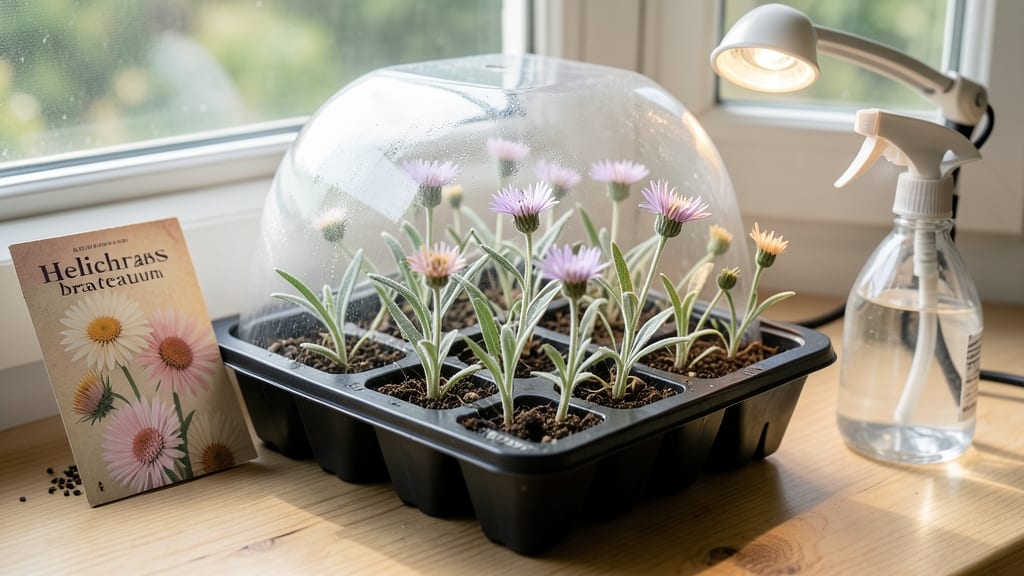
To start strawflower seeds indoors for vibrant summer blooms, aim for 8-10 weeks before your last frost date—typically mid-February in USDA Zone 6a.
Picture this: you’ve just planted your seeds, and by late spring, your windowsill is bursting with bright, papery 🌼 blooms that last for weeks in bouquets. But miss that timing window, and you’ll end up with leggy seedlings that never flower—or worse, a summer garden with bare spots.
Strawflowers are forgiving, but they reward precision. Too early, and you’ll wrestle with stretched-out seedlings; too late, and you’ll miss the peak blooming season. The key is a 6-8 week countdown that aligns with your local frost dates, light conditions, and even your indoor setup.
In this guide, I’ll walk you through the exact dates for your zone, how to set up your seedlings for success, and the 3 critical mistakes that derail even the most eager gardeners. Let’s get those strawflowers off to the right start.
Strawflower seed starting timeline by US hardiness zones: 6-8 week countdown
Timing your strawflower seed starting indoors depends entirely on your USDA hardiness zone and last frost date. A 6-8 week growth window ensures sturdy seedlings ready for transplanting when soil warms.
For Zones 3-10, I’ve mapped exact start dates to avoid leggy, weak plants that struggle outdoors. High-altitude gardeners should adjust by adding 1-2 extra weeks—cooler nights delay growth.
Strawflowers (Helichrysum) thrive with full sun exposure and well-draining soil, but their indoor seed-starting timeline hinges on frost dates. In Zone 7, for example, starting seeds in early March ensures blooms by summer. Miss this window, and you risk late-season flowers or no blooms at all.
Use my zone-specific chart below to pinpoint your ideal start date, then factor in light conditions and temperature control for consistent germination.
Key adjustments: Early frost zones (like Zone 3) need seeds started by February 1st, while late frost zones (like Zone 10) can wait until March 15th. High-altitude areas (e.g., Denver, CO) should start 2 weeks earlier due to cooler nights. Always verify your last frost date locally—online calculators like the National Gardening Association’s tool are invaluable.
| USDA Zone | Last Frost Date | Start Seeds Indoors | Transplant Outdoors | Notes |
|---|---|---|---|---|
| Zone 3 | May 15 | February 1 - February 15 | April 15 - May 1 | High-altitude? Start by Jan 20. |
| Zone 4 | May 1 | February 15 - March 1 | April 1 - April 15 | Use grow lights if natural light is weak. |
| Zone 5 | April 20 | March 1 - March 15 | May 1 - May 15 | Harden off seedlings for 2 weeks before transplanting. |
| Zone 6 | April 15 | March 15 - March 30 | May 1 - May 15 | Ideal for summer-long blooms. |
| Zone 7 | April 1 | March 1 - March 15 | April 15 - April 30 | Can also direct-sow after frost. |
| Zone 8 | March 1 | February 15 - March 1 | March 15 - April 1 | Longer growing season allows 2 plantings. |
| Zone 9 | February 15 | January 20 - February 10 | February 1 - March 1 | Winter sowing possible in mild climates. |
| Zone 10 |
Signs your strawflower seedlings are ready for transplanting (and 3 critical mistakes to avoid)Transplanting strawflower seedlings at the right time ensures strong, vibrant plants that bloom beautifully. Look for 3-4 sets of true leaves—these are the second set after the initial seed leaves—and stems that are thick and sturdy rather than spindly. Healthy seedlings should also have deep green leaves without yellowing, a sign they’re ready for their outdoor home. Another key indicator is root depth. Gently squeeze the base of the seedling—if roots have filled the root ball and are pressing against the container, it’s time to transplant. You’ll also notice slower growth as seedlings mature, which signals they’re preparing for the next phase. ⚠️ callout warning ⚠️ ⚠️ 3 Critical Mistakes That Stunt Growth
🌱 Pro Tip: Harden off seedlings 7-10 days before transplanting by gradually exposing them to outdoor conditions. Leggy seedlings are a common red flag. If your strawflowers stretch toward the light with long, weak stems, they’re desperate for more bright, direct light. Move them closer to a south-facing window or add a grow light immediately. These seedlings can recover but may bloom later if not addressed early. Check the root system one last time before transplanting. If roots are circled around the pot or growing out of drainage holes, they’re ready. Use your finger to gently loosen the root ball to prevent transplant shock. Plant at the same depth as they were in their container to avoid stress. Transplant on a cool, cloudy day to reduce stress. Water thoroughly after planting, and apply a light mulch to retain moisture. Avoid fertilizing for 2-3 weeks to let roots establish before encouraging new growth. With these signs and precautions, your strawflower seedlings will thrive outdoors and reward you with months of cheerful blooms. Keep an eye out for pest pressure like aphids, and remove any damaged leaves promptly to maintain plant health. |