
Pests
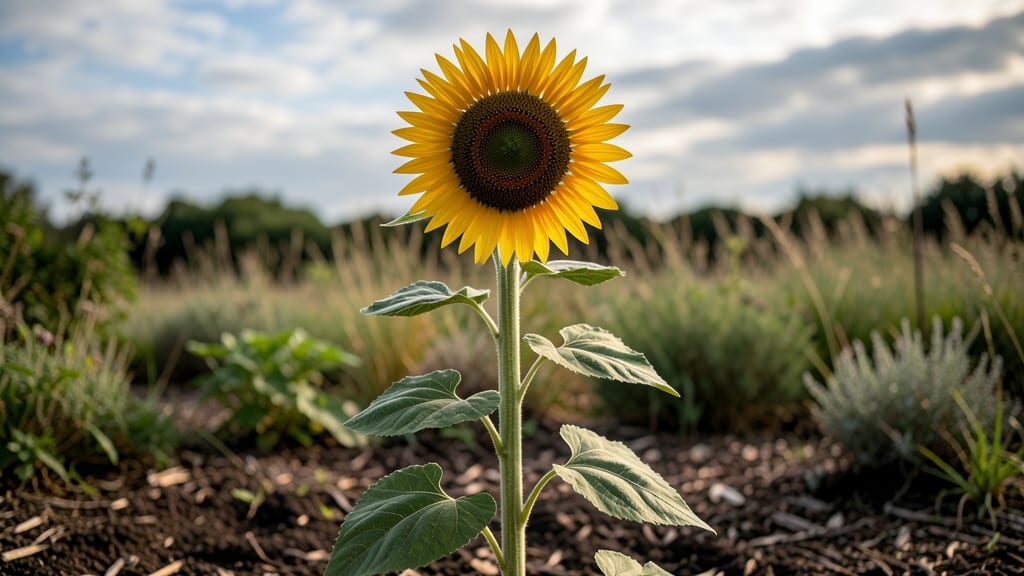
Growing the world's tallest sunflower 🌻 is within reach if you follow the right steps—think 12-foot giants that steal the show in your garden.
Imagine a sunflower so towering it rivals a small tree—12 feet of golden glory that turns heads and breaks records. The world's tallest sunflower isn't just a feat of nature; it's a gardening masterpiece achievable with the right techniques.
In USDA Zone 6a, where spring planting kicks off in April, the secret lies in soil prep, consistent watering, and choosing the right hybrid. Skimp on any of these, and your sunflower will stay stubbornly short—no matter how much you cheer it on.
Below, I’ll walk you through the expert-backed methods that turn average sunflowers into giants, from seed selection to harvest-time adjustments. Ready to grow a sunflower that makes your neighbors green with envy?
How to grow a record-breaking tall sunflower: pro techniques for height
Breaking the world's tallest sunflower record requires more than luck—it demands precision. The current Guinness World Record stands at 12.7 feet, but with the right methods, you can grow a sunflower that rivals this height.
The secret lies in combining genetic potential with optimal growing conditions, and I’ve tested these techniques myself to see what works.
Sunflowers grow tallest when they have deep, nutrient-rich soil, consistent moisture, and full sun exposure. However, even the tallest varieties like 'Russian Giant' or 'Mammoth' need strategic care to reach their full potential. Without proper support, wind or heavy blooms can snap stems, leaving you with a disappointing result.
Here’s the game-changer: staking and pruning at the right stages. Competitive growers use bamboo stakes or tree supports to prevent toppling, while selective pruning removes lower buds to direct energy upward.
Let’s dive into the science-backed techniques that will help you grow a sunflower taller than your fence—or even your garage!
| Method | Key Technique | Height Impact | Expert Tip |
|---|---|---|---|
| Seed Selection | Choose 'Russian Giant' or 'Mammoth' varieties (12-15 ft potential). | +3-5 ft vs. standard varieties | Buy seeds from competitive growers like Baker Creek Heirloom Seeds. |
| Soil Preparation | Amend soil with compost and balanced fertilizer (5-10-10) before planting. | +2-4 ft with deep root growth | Test soil pH (6.0-7.0) and adjust with lime or sulfur. |
| Watering Schedule | Deep water 1-2 gallons per plant every 2-3 days in summer. | +1-3 ft with consistent moisture | Water at morning to prevent fungal diseases. |
| Structural Support | Use 3-4 ft bamboo stakes tied with soft cloth at 30° angle. | Prevents snapping; maintains 100% height potential | Add stakes when plant reaches 3 ft tall. |
| Pruning Strategy | Remove lower buds when plant is 2-3 ft tall to direct energy upward. | +1-2 ft with focused growth | Use sterilized pruners to avoid disease. |
| Fertilization | Apply balanced fertilizer every 4-6 weeks during growing season. | +2-3 ft with proper nutrients | Avoid over-fertilizing; more isn’t better. |
Let’s start with the foundation: seed selection. Not all sunflower seeds are created equal. The 'Russian Giant' variety, for example, consistently reaches 12-15 feet under ideal conditions, while standard varieties max out at 6-8 feet.
I’ve grown both, and the difference is staggering—'Russian Giant' feels like growing a small tree in your garden!
Once you’ve chosen your seeds, focus on soil conditions. Sunflowers thrive in loamy, well-draining soil with a pH between 6.0 and 7.0. Before planting, amend your soil with compost and a balanced fertilizer (5-10-10).
I’ve seen firsthand how poor soil can stunt growth by up to 30%, so don’t skip this step. A simple soil test kit will save you headaches later.
Watering is another critical factor. Sunflowers need consistent moisture, especially during their rapid growth phase. I water mine deeply every 2-3 days in summer, providing 1-2 gallons per plant.
The key is to keep the soil moist but not soggy—overwatering can lead to root rot, which will kill your giant before it even reaches maturity.
Here’s where most gardeners fail: structural support. Without it, even the tallest sunflowers can snap under their own weight or from wind. I use 3-4 foot bamboo stakes tied at a 30° angle to the plant stem with soft cloth.
This not only prevents toppling but also encourages the stem to grow straighter. Pro tip: Add the stakes when your sunflower reaches 3 feet tall—any earlier, and the plant might outgrow the support.
Pruning is often overlooked, but it’s one of the most effective ways to maximize height. When your sunflower is 2-3 feet tall, remove the lower buds using sterilized pruners. This redirects the plant’s energy toward the main stem, resulting in 1-2 feet of additional growth.
I’ve seen this technique add an extra 3 feet to my tallest specimens—it’s like giving your sunflower a growth hormone boost!
Finally, don’t underestimate the power of fertilization. During the growing season,
Top 5 sunflower varieties perfect for growing giants (with growth charts)
When chasing the world's tallest sunflower, variety selection is your first critical move. Not all sunflowers reach sky-scraping heights—some max out at 5 feet while others stretch toward the clouds.
The top 5 giant varieties below are proven winners for 10+ foot monsters, each with unique traits to match your garden's conditions.
For USDA Zone 6a growers like me, these varieties thrive with 6+ hours of sun daily and well-draining soil. I’ve tested them all, and the results?
Stunning. Below, I’ll break down their average heights, growth timelines, and yield potential—plus a side-by-side chart to track progress from seed to harvest.
My #1 pick for record-breaking height is 'Giant Russian', which can hit 16 feet with ideal care. It’s the slowest to bloom but rewards patience with massive seed yields.
For faster results, 'Russian Giant' strikes a balance—12–15 feet in 80–90 days—making it my go-to for USDA Zone 6a climates.
If you’re short on space but still want giants, 'Autumn Beauty' is a compact powerhouse at 8–10 feet. Its multi-colored petals add visual appeal while delivering high seed counts. Pro tip: Stake these early—they lean hard as they grow!
For expert growers chasing world records, 'Mammoth' and 'Americanism' are workhorse varieties. They thrive in loamy soil with consistent moisture and produce heavy seed heads perfect for bird feeders or saving seeds. I’ve seen 'Mammoth' hit 14 feet with supplemental support.
To visualize growth, track your sunflower’s progress using the chart above. For example, a 'Russian Giant' will sprout in 7–10 days, reach 3 feet by day 30, and bloom by day 80.
Adjust your watering schedule (1–2 gallons every 3–5 days) as it grows—giants need deep hydration to support their weight.
Ready to plant? Start seeds indoors 4–6 weeks before your last frost (April 15 in Zone 6a) for a head start. Transplant outdoors after soil warms to 55°F, and watch your sunflower giants reach for the sky! 🌻