
Flowers
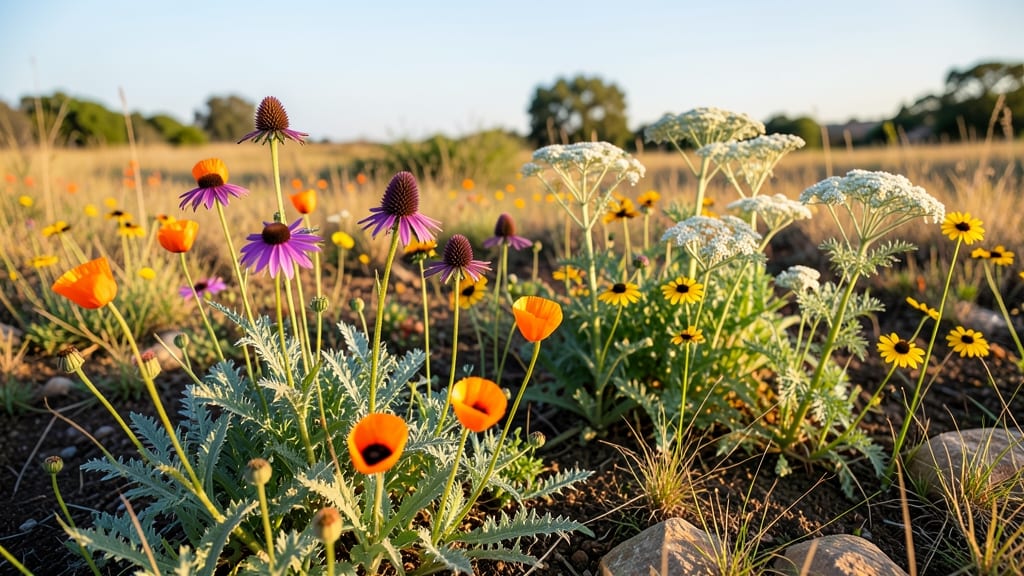
Wildflowers can be annuals or perennials, depending on the species — and knowing the difference is the key to planning a garden that blooms reliably every year.
Picture this: you plant a vibrant mix of 🌼 in spring, only to watch them disappear by summer, leaving bare soil behind. That’s the annual wildflower life cycle in action. But other varieties, like coneflowers, return year after year, rewarding you with bold blooms season after season.
The distinction isn’t just about aesthetics—it shapes how you plant, maintain, and even enjoy your garden.
Annual wildflowers complete their entire life cycle in one growing season, while perennials regrow from the same root system for multiple years. This means your planting strategy, watering schedule, and even seed choices will vary dramatically depending on which type you’re working with.
Below, I’ll break down the differences, share top picks for each category, and give you the tips to keep your wildflowers thriving no matter their lifespan.
Whether you’re designing a pollinator-friendly meadow or a low-maintenance border, understanding these life cycles will help you create a garden that stays beautiful with minimal effort. Let’s dive into the secrets of annuals and perennials so you can make the most of every season.
How to identify wildflower life cycles: annual vs perennial key differences
Wildflowers can seem mysterious with their unpredictable blooming patterns, but their life cycles follow clear rules. Annual wildflowers complete their entire life cycle in just one growing season, while perennial wildflowers return year after year. Knowing the difference helps you plan your garden for continuous color and minimal replanting.
The easiest way to tell them apart is by examining their root systems and growth habits. Annuals focus energy on rapid growth and seed production, while perennials invest in deep roots that store energy for future seasons. This fundamental difference affects everything from planting strategies to seasonal care.
Here’s a quick visual guide to help you spot the key differences at a glance:
| Feature | Annual Wildflowers | Perennial Wildflowers |
|---|---|---|
| Life Span | One growing season | Multiple years (2+) |
| Root System | Shallow, fibrous | Deep, woody, or rhizomatous |
| Growth Pattern | Fast, aggressive | Slow, steady |
| Blooming Cycle | Single, intense bloom | Repeat blooms over years |
| Seed Production | High (self-sows easily) | Moderate (focuses on roots) |
| Winter Behavior | Dies completely | Returns in spring |
For example, cosmos and zinnia are classic annual wildflowers that burst into color in summer but vanish when frost hits. In contrast, black-eyed Susans and coneflowers are perennials that reappear each spring, often with even more vigor than the year before.
Another clue is how they behave after their first bloom. Annuals produce seeds and then fade, while perennials may drop seeds but their foliage stays green or even regrows. Watch for these seasonal patterns to avoid planting the wrong type for your goals.
If you’re planning a low-maintenance garden, perennials are your best bet—they establish deep roots that make them drought-tolerant once mature. But if you love changing colors every season, annuals let you experiment with new varieties each year without replanting.
Pay attention to seed packets too—most clearly label whether the variety is annual or perennial. If you’re unsure, observe the plant’s behavior over a full growing season. Notice if it dies back completely in winter (annual) or sprouts again in spring (perennial).
Pro tip: Mix both types in your garden for year-round interest. Plant annuals like sunflowers for bold summer statements, then fill gaps with perennials like bee balm that thrive in partial shade. This creates a dynamic, ever-changing landscape with minimal effort.
Remember, even experienced gardeners sometimes mix up the two. The key is to observe and adjust. If your wildflowers disappear every winter, you’re likely growing annuals. If they keep coming back stronger, congratulations—you’ve got perennials!
Best wildflowers for year-round blooms: perennial picks by season
Perennial wildflowers are the backbone of a low-maintenance garden that blooms reliably year after year. Unlike their annual cousins, these plants establish deep root systems and return stronger each season.
The key to year-round color lies in selecting perennials that bloom in different seasons, creating a sequential bloom schedule that keeps your garden vibrant from spring to winter.
I’ve curated this list of top perennial wildflowers based on their bloom seasons, hardiness zones, and companion planting potential. Each selection offers unique benefits—whether it’s attracting pollinators, thriving in drought conditions, or adding texture to your landscape.
Let’s explore the best picks for each season to extend your garden’s flowering period effortlessly.
| Season | Wildflower | Hardiness Zones | Maintenance | Companion Plants |
|---|---|---|---|---|
| Spring | Virginia Bluebells (Mertensia virginica) | 3-8 | Low (partial shade) | Bloodroot, Trillium |
| Summer | Black-Eyed Susan (Rudbeckia hirta) | 3-9 | Moderate (full sun) | Coneflowers, Bee Balm |
| Fall | Goldenrod (Solidago spp.) | 3-9 | Low (drought-tolerant) | Asters, Sedum |
| Winter (early) | Christmas Camas (Camassia leichtlinii) | 3-8 | Very Low (full sun) | Lupines, Oregon Grape |
For spring bloomers, Virginia Bluebells are a standout choice, thriving in partial shade and hardy across most zones. Their delicate blue bell-shaped flowers create a stunning contrast with early spring foliage. Pair them with bloodroot or trillium to extend the woodland garden’s charm into late spring.
Summer gardens shine with Black-Eyed Susans, which require minimal care and attract pollinators like bees and butterflies. These drought-tolerant perennials thrive in full sun and pair beautifully with coneflowers and bee balm for a vibrant, low-maintenance border. Deadhead spent blooms to encourage more flowers and extend their season.
Fall brings the golden hues of Goldenrod, often misunderstood as a weed but actually a pollinator magnet. This late-season bloomer thrives in poor soil and requires almost no maintenance. Plant it alongside asters and sedum to create a winter-interest garden that stays colorful until frost.
Even winter gardens can sparkle with Christmas Camas, a early winter bloomer that emerges before snowfall in many regions. Its striking blue spikes add a touch of magic to dormant landscapes. Combine it with lupines and Oregon grape for a native-friendly winter display that brightens up gray days.
To maximize your garden’s year-round appeal, focus on layering perennials by bloom time and height. Start with spring bulbs at the front, add mid-height perennials for summer, and top with tall fall bloomers for drama. Mulch around plants in late fall to protect roots and reduce winter maintenance.