
Plants
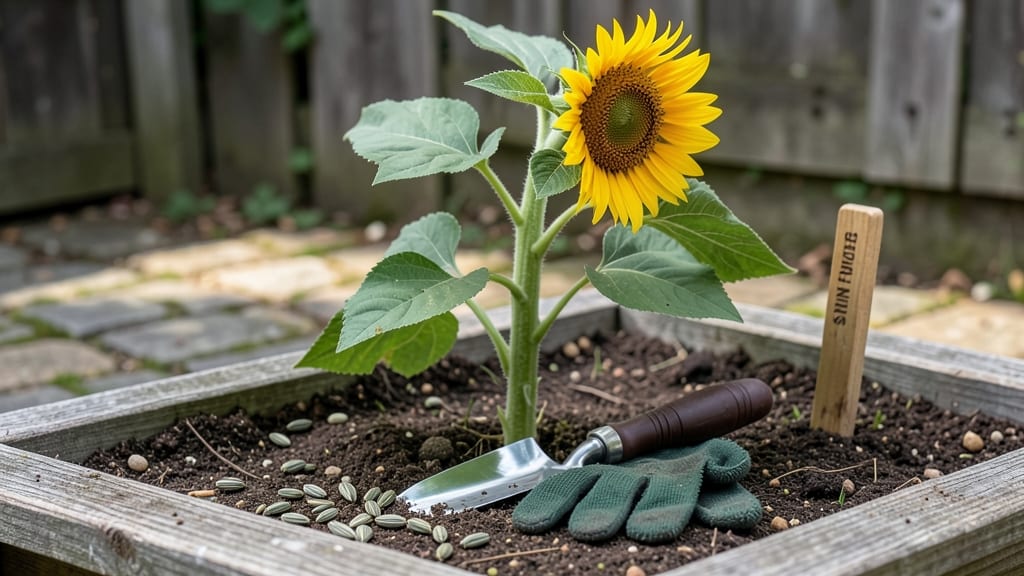
To plant sunflower seeds in NC at the perfect time means towering blooms that reach for the sky—just avoid the late-March rush when frost still lingers.
Sunflowers aren’t just stunning—they’re easy to grow, drought-tolerant, and perfect for North Carolina’s warm climate. But timing your planting just right in USDA Zones 7b/8a means the difference between 10-foot giants and stunted, weak stems.
In Zone 8a (coastal areas), you can start as early as mid-March, while gardeners in Zone 6b (mountains) should wait until mid-April. The key? Plant after the last frost—typically by March 15—when soil warms to at least 55°F.
Below, I’ll break down the exact window for your region, how to extend the season for fall blooms, and the three mistakes that kill sunflowers in NC’s variable weather.
Best planting months for sunflowers in NC (Zone 7b/8a guide)
North Carolina's USDA Zones 7b/8a offer perfect conditions for growing sunflowers, but timing is everything. In the Piedmont region (Zone 7b), your last frost typically arrives by mid-April, while the Coastal Plain (Zone 8a) sees frost-free soil as early as late February.
Planting too early risks frost damage, while waiting too long may cut bloom time short. Let's break down the ideal windows for both direct sowing and transplanting to maximize those stunning 10-foot stalks.
For spring planting, aim to sow seeds 2-4 weeks after your last frost date. This gives young sunflowers time to establish roots before summer heat arrives.
In Zone 8a (Coastal Plain), that means mid-March to early April, while Zone 7b (Piedmont) gardeners should wait until late April. Late spring plantings (May-June) work too, especially for heat-tolerant varieties like 'Moulin Rouge' that thrive in NC's summer heat.
Here's a quick reference for your planting schedule:
| Planting Window | Zone 7b (Piedmont) | Zone 8a (Coastal Plain) | Key Considerations |
|---|---|---|---|
| Early Spring | Late April - Early May | Mid-March - Late March | Soil temp ≥55°F; avoid late frosts |
| Late Spring | May - June | April - May | Best for heat-tolerant varieties |
| Fall Planting | August - Early Sept | July - Mid-August | For late-season blooms; harvest before frost |
| Transplant Window | May - June | April - May | Start indoors 2-3 weeks before last frost |
Direct sowing is the preferred method for sunflowers in NC, but if you start indoor transplants, begin seeds 2-3 weeks before your last frost date. Use biodegradable pots to avoid transplant shock when moving seedlings outdoors.
For Coastal Plain gardeners, this means starting seeds indoors by mid-February, while Piedmont growers should wait until late March.
Microclimates play a huge role in NC's diverse growing conditions. If you're in a warmer microclimate (like near the coast or in urban heat islands), you can plant 2-3 weeks earlier than the general guidelines.
Conversely, higher elevations in the Piedmont may need to delay planting by 1-2 weeks to avoid late frosts. Always check your local NC State Climate Office frost data for precise timing.
For fall planting (August-September), choose fast-maturing varieties like 'Teddy Bear' (50-55 days) that can complete their life cycle before first frost. These late plantings often produce shorter but hardier stems perfect for cut flowers or bird feed.
Just be sure to plant by mid-August in Zone 7b and early September in Zone 8a to allow time for maturity.
One common mistake in NC is planting sunflowers too close to summer's peak heat. When daytime temps exceed 90°F for extended periods, sunflowers may bolt prematurely or produce smaller blooms.
To avoid this, mulch heavily with straw or wood chips to keep roots cool and water deeply once weekly during dry spells. This is especially critical in Zone 8a's hotter Coastal Plain regions.
Pro tip: Use black plastic mulch to warm soil faster in spring, giving you a 2-week head start on planting. This works particularly well in Piedmont gardens where cooler soils can delay germination. Just remember to remove the mulch once plants reach 6 inches tall to prevent overheating.
With these timing strategies, you'll be rewarded with vibrant sunflowers that thrive in NC's climate—whether you're growing them for cut flowers, birdseed, or just the joy of watching them reach toward the sun. 🌻
How to extend sunflower growing season in North Carolina’s short summers
North Carolina’s short growing season and hot summer months can limit sunflower blooms, but with the right strategies, you can enjoy towering sunflowers from spring through fall. The key is succession planting and choosing heat-tolerant varieties like 'Autumn Beauty' or 'Moulin Rouge', which thrive in Zone 7b/8a heat.
Sunflowers love warm soil and long daylight hours, but NC’s summers can be intense. By staggering plantings and pairing them with companion plants, you can extend your harvest window by 2-3 months. Let’s dive into the best methods to maximize your sunflower season.
- 1 Succession Plant Every 2 Weeks: Start your first batch in early April (after last frost) and repeat every 2 weeks until mid-July. This ensures a continuous supply of blooms.
- 2 Choose Heat-Tolerant Varieties: Opt for 'Autumn Beauty' (deep red blooms) or 'Moulin Rouge' (bicolor), which handle 90°F+ temps better than standard types.
- 3 Plant with Corn or Cucumbers: Sunflowers act as natural pest deterrents for corn and cucumbers while benefiting from their shade in peak summer heat.
- 4 Use Mulch to Retain Moisture: Apply 2-3 inches of straw mulch around plants to prevent soil evaporation during NC’s dry summer months.
- 5 Harvest Seeds Early for Fall Planting: Collect seeds from late summer blooms (August-September) to sow in early October for winter interest.
For extended blooms, consider planting a second crop in late summer (around August 1) using fast-maturing varieties like 'Teddy Bear'. These will flower just in time for fall festivals and holiday displays.
If you’re in Zone 8a (coastal NC), you can push your last planting to mid-September for late fall blooms. Just monitor frost dates—coastal areas may see first frost in November, giving you extra weeks.
Don’t forget to save seeds from your best-performing sunflowers! Store them in a cool, dry place and replant next spring for free, homegrown blooms every year. With these tips, your sunflower garden will stay vibrant and bountiful from spring to frost. 🌻