
How Long Does It Take for Flowers to Sprout: Seed-to-Shoot Timeline by Plant Type

Blooming

How Long Does It Take for Flowers to Sprout: Seed-to-Shoot Timeline by Plant Type

Flowers to sprout takes anywhere from 3 days to 6 weeks, depending on the type—fast growers like zinnias pop up in a week, while stubborn perennials like peonies might take a month or more.

There’s nothing more frustrating than staring at a tray of damp soil, willing those tiny sprouts to appear. You’ve planted your seeds at the perfect time, but the wait feels endless—especially when your neighbor’s petunias are already reaching for the light.

Understanding these timelines isn’t just about patience; it’s about setting your garden up for success. Too many gardeners pull up seeds too soon, thinking they’ve failed, only to miss the slow-but-sure bloomers that reward your wait with stunning 🌸 displays.

In this guide, I’ll break down exactly how long to expect for popular flowers, what factors speed up (or slow down) germination, and how to troubleshoot when your seeds take their sweet time.

Seed sprouting timeframes for popular flowers: fastest to slowest bloomers

Understanding how long it takes for flower seeds to sprout transforms gardening from guesswork to precision. Some seeds pop up in days, while others need weeks or even cold treatment. The ideal soil temperature, moisture levels, and seed type all dictate germination speed.

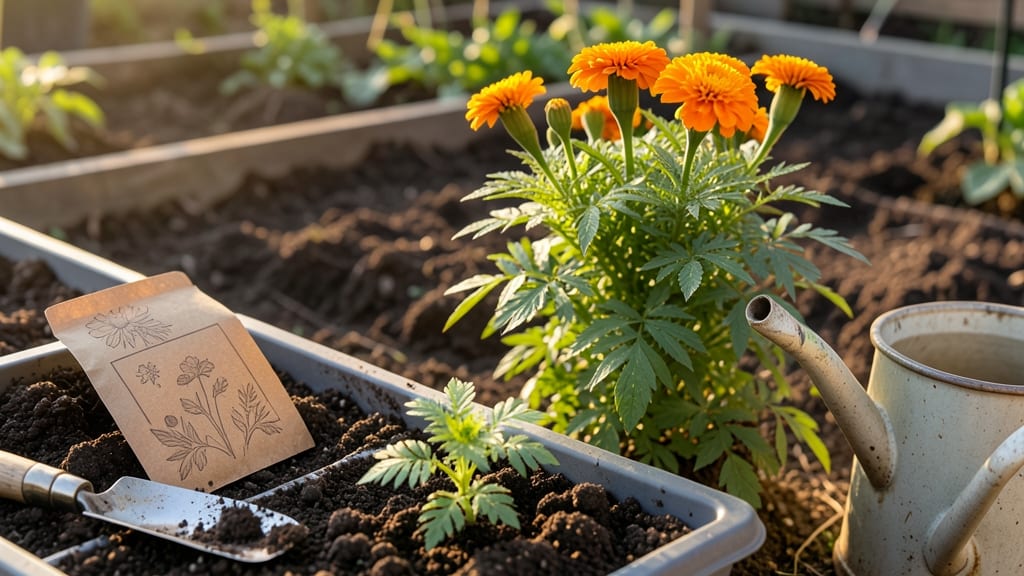
Let’s explore the fastest bloomers like marigolds that sprout in 3-7 days versus slow growers like peonies that can take 30-60 days to break through the soil.

Fast-sprouting flowers are perfect for impatient gardeners or late-season planting. These seeds thrive in warm soil (70-85°F) and consistent moisture. Meanwhile, slow germinators often require stratification (cold treatment) or scarification (nick in the seed coat) to break dormancy.

Knowing these timelines helps you plan succession plantings and avoid empty garden spots.

🌱

Flower Type Germination Time Ideal Soil Temp (°F) Key Notes
Marigold 3-7 days 70-85°F Fastest bloomer; thrives in heat
Zinnia 3-10 days 70-80°F Direct sow after frost; loves sun
Cosmos 5-14 days 65-75°F Drought-tolerant; self-seeds easily
Sunflower 7-14 days 70-85°F Large seeds; needs depth (1")
Petunia 7-21 days 70-75°F Start indoors; needs light to germinate
Snapdragon 10-21 days 60-70°F Pinch early shoots for bushier growth
Lupine 14-30 days 55-65°F Needs stratification; nitrogen-fixer
Delphinium 14-45 days 60-70°F Slow but worth the wait; tall spikes
Peony 30-60 days 60-70°F Perennial; needs patience and cold
Foxglove 21-60 days 55-65°F Toxic; biennial; prefers shade
Dahlia 14-30 days 65-75°F Tubers need warmth to sprout
Hellebore 30-90 days 50-60°F Winter-blooming; slow but hardy
Lavender 21-45 days 60-70°F Drought-loving; well-draining soil
Black-Eyed Susan 10

Why your flower seeds aren’t sprouting (and how to fix it)

Even with the best intentions, your flower seeds might just be taking their time—or worse, refusing to sprout at all. Old seeds, improper moisture levels, or temperature fluctuations can all stall germination.

The good news? Most of these issues have simple fixes, and knowing the signs helps you act fast before giving up.

First, check the seed packet for germination timelines—some flowers like marigolds sprout in 5-7 days, while delphiniums can take 2-3 weeks. If your seeds haven’t sprouted by double the expected time, something’s likely wrong. Don’t pull them up yet—patience is key, especially for slower growers.

⚠️ How Long Does It Take for Flowers to Sprout?

Most seeds should sprout within 7–14 days under ideal conditions (warm soil, consistent moisture, proper depth). If nothing appears after 3 weeks, your seeds may be dormant, dead, or improperly planted. For slow germinators (e.g., peonies, foxgloves), wait up to 6 weeks before troubleshooting.

One of the most common mistakes is overwatering or underwatering. Seeds need consistent moisture—not soggy soil—to activate enzymes that break down the seed coat. Use a spray bottle to mist the soil lightly, keeping it damp (not wet) until sprouts appear.

A clear plastic dome or plastic wrap can help retain humidity while preventing mold.

Temperature plays a huge role too. Most flower seeds germinate best between 65–75°F. If your home or garden is cooler, try using a seedling heat mat ($15–$25) or placing trays on top of your fridge.

For cold-weather crops like snapdragons, a refrigeration period (stratification) may be needed to mimic winter conditions.

Don’t overlook seed viability. Seeds lose potency over time—store-bought seeds last 1–5 years, while heirloom or saved seeds may only stay viable for 1–2 years. Test old seeds by soaking a few in water: if they float, they’re likely dead.

For stubborn seeds, try scarification (lightly sanding the seed coat) or soaking in lukewarm water for 12–24 hours to kickstart germination.

Finally, ensure you’re planting seeds at the correct depth. Tiny seeds (like petunias) should barely be covered, while larger seeds (like beans) need 1–2 inches of soil.

Pressing seeds too deep can suffocate them, while planting too shallowly exposes them to drying out. Use your finger to create a small furrow and gently press seeds into place.

★★★★★4.9(15 reviews)
Categories Blooming