
Plants
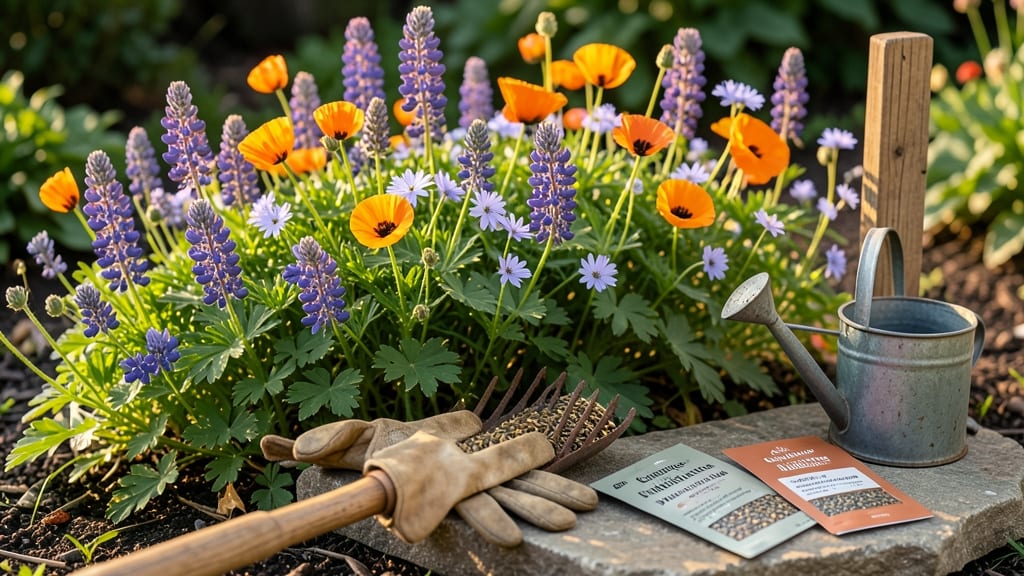
To plant wildflower seeds in California at the best time, aim for early fall or late winter — when soil warmth and seasonal rains align for strong root growth.
California’s diverse climate zones—from coastal fog to desert heat—mean wildflowers can bloom year-round if planted at the perfect time. Get your timing wrong, and you’ll miss vibrant meadows; get it right, and you’ll transform your landscape into a pollinator paradise.
Northern California’s cooler springs call for fall planting (September–October), while Southern California’s milder winters work better with late winter sowing (February–March). Even desert regions can support wildflowers with the right adjustments.
Below, I’ll break down the ideal months by region, soil prep secrets, and how to keep blooms coming all year—no guesswork, just year-round color.
California wildflower planting calendar by region: coastal vs. desert vs. mountain timing
California’s five distinct climate zones create perfect conditions for wildflowers, but planting timing varies dramatically. Coastal areas thrive with fall sowing to escape summer drought, while desert regions need winter planting to capitalize on spring rains.
Mountain zones follow a spring-focused schedule to avoid late frosts. Let’s break down the ideal month-by-month planting windows for each region to maximize blooms.
Understanding your microclimate is key—coastal fog can delay spring, desert heat demands early starts, and mountain elevations shift frost dates. Annual wildflowers like California poppies and lupines bloom quickly after planting, while perennials like yarrow and goldenrod establish roots over seasons. We’ll cover both for year-round color.
Pro Tip: Always test soil moisture before planting—coastal soils stay damp longer, desert soils dry fast, and mountain soils may remain cold into May. Adjust watering accordingly to prevent seed washout or rot.
For coastal regions like San Francisco and Santa Barbara, September-October is prime for fall sowing. The cool, damp conditions help seeds germinate before summer drought sets in.
If you miss this window, February-March offers a second chance—just be prepared for coastal fog delaying early blooms. Native poppies and lupines thrive here, often blooming by March-April if planted correctly.
In the Central Valley, where hot summers and cold winters dominate, focus on October-November and March-April plantings. The valley’s fertile soil supports blanket flowers and coreopsis, which bloom from April through October. Avoid planting in June-August—the heat will bake seeds before germination.
Mountain regions like the Sierra foothills have the shortest growing season. Plant April-May for summer blooms or September-October for autumn color. Penstemon and buckwheat are hardy choices, but always check for late frost warnings—even in May, elevations above 3,000 feet can see frost until June.
Desert areas like the Mojave and Colorado Desert rely on winter rains, making November-December the only reliable planting time. Desert marigolds and brittlebush store water in their stems, perfect for 100°F+ summers.
If you plant too late, seeds may bake in the sun before sprouting—always water lightly after sowing to keep soil moist.
Finally, chaparral regions (like the Santa Monica Mountains) blend coastal and desert traits. Plant in October-November or March-April, focusing on drought-tolerant natives like Cleveland sage. These areas often see wildfire risk—choose fire-resistant species and clear dry debris before planting.
Remember: Perennial wildflowers take 1-2 years to establish, while
How to choose wildflower seed mixes for California’s climate zones
California’s microclimates create the perfect stage for wildflowers, but selecting the right seed mix depends entirely on your location. Coastal areas thrive with drought-tolerant poppies, while inland deserts need heat-resistant marigolds. The key? Matching your USDA zone to native species that naturally flourish there.
Start by identifying your climate zone: coastal (cool, foggy), Central Valley (hot summers), foothills (mild year-round), or desert (extreme heat). Each zone supports different wildflower species—like lupines in the foothills or goldenrod in desert regions. Your seed mix should reflect these natural pairings for low-maintenance success.
🌱 Styled List: Wildflower Seed Mixes by California Climate Zone
- 🌊 Coastal (Zones 7-9): Best for poppies, lupines, and checkerbloom
- ☀️ Central Valley (Zones 8-10): Ideal for California fuchsia, tidy tips, and coreopsis
- 🏔️ Foothills (Zones 6-8): Perfect for lupines, phlox, and penstemon
- 🏜️ Desert (Zones 9-11): Thrives with desert marigolds, brittlebush, and evening primrose
For continuous blooms, look for seed mixes labeled with bloom-time synchronization. A well-designed mix will include early, mid, and late-season flowers—like blue-eyed grass in spring and goldenrod in fall—to keep your garden vibrant all year. Always check for native species to support local pollinators like bees and butterflies.
Drought-tolerant mixes are a must for most of California. Opt for blends with less than 50% annuals and prioritize perennials like California buckwheat or deer grass.
These hardy plants require minimal water once established, making them ideal for low-water landscapes. Avoid mixes with non-native species, as they can disrupt local ecosystems.
Sun exposure is another critical factor. Full-sun mixes (6+ hours of sunlight) work best for desert and valley regions, while partial-shade blends suit coastal areas with morning fog. Always read the seed packet for light requirements—planting sun-loving wildflowers in shade will result in sparse, weak blooms.
Pro tip: Pre-moisten your soil before planting to help seeds germinate faster. Scatter seeds evenly and lightly cover with 1/4 inch of soil (or none at all for larger seeds like poppies).
Water gently but deeply to encourage root growth without washing seeds away. With the right mix and care, your wildflower garden will thrive year after year.