
Shrubs
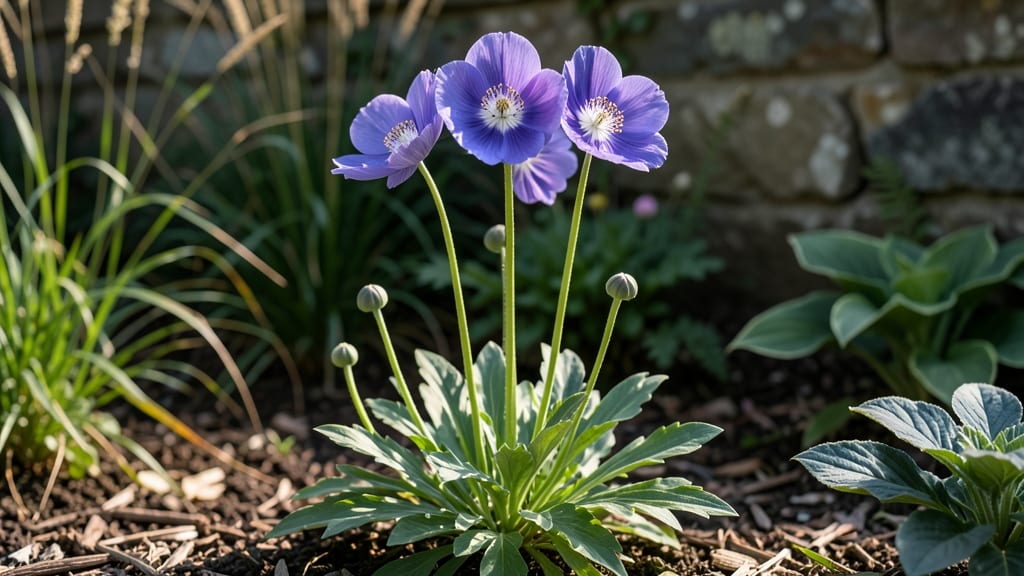
Growing a thriving balloon flower 🌸 in sun or shade starts with understanding its light needs — and yes, it can handle both.
Picture this: your balloon flower planted in full sun bursts into vibrant blooms, while the same variety in partial shade produces lush foliage with fewer flowers. The difference isn’t just about aesthetics—it’s about how you adjust care to match the light your garden provides.
Whether your space gets bright morning sun or dappled shade, this guide breaks down the soil tweaks, watering schedules, and seasonal tricks that keep your balloon flower happy year-round. No more guessing whether your spot is "just right"—just proven steps for maximum blooms in any light.
From choosing the best variety for your conditions to troubleshooting leggy stems or sparse flowers, you’ll learn how to give your balloon flower exactly what it needs—so you can enjoy those cheerful blooms from July through September, no matter where it’s planted.
 Best Window Placement
Balloon flower sun requirements: maximizing blooms in full light
The balloon flower (Platycodon grandiflorus) thrives when given the right amount of sunlight, but understanding its sunlight needs can make or break your blooms. While it tolerates partial shade, full sun exposure produces the largest, most vibrant flowers.
Let’s explore how to maximize your balloon flower’s potential with optimal light conditions and regional adjustments.
In full sun (6+ hours daily), balloon flowers develop bold, eye-catching blooms and sturdy stems. However, too much intense sunlight—especially in hot climates—can stress the plant, leading to wilting or sunburned leaves. The key is balancing exposure based on your USDA hardiness zone and local climate.
For gardeners in zones 3-7, morning sun with afternoon shade is ideal. In zones 8-10, afternoon shade becomes essential to prevent heat stress. Even in cooler climates, afternoon shade can protect blooms from fading too quickly.
| Factor | Full Sun (6+ Hours) | Partial Shade (3-6 Hours) | Regional Adjustments |
|---|---|---|---|
| Bloom Size | Large, vibrant blooms | Smaller, less intense blooms | Zones 8-10: Reduce to 4-5 hours |
| Stem Strength | Sturdy, upright stems | Weaker stems, may flop | Zones 3-7: Morning sun only |
| Water Needs | Moderate; drought-tolerant | Higher; soil dries slower | Hot climates: Mulch heavily |
| Best Varieties | 'Fuji Pink,' 'Blue Boy' | 'White Dawn,' 'Marine' | All varieties tolerate shade |
When planting in full sun, choose a location with dappled sunlight if possible. Use nearby trees or structures to create natural shade during peak afternoon heat. For example, a south-facing bed with a lattice trellis can provide filtered light while protecting delicate blooms.
To prepare your soil for sun-loving balloon flowers, amend it with organic compost to improve drainage. These plants hate soggy roots, so raised beds or slightly elevated areas work best in clay-heavy soils. Mix in perlite or sand to ensure excess water drains away quickly.
Watering habits change dramatically with sunlight exposure. In full sun, water deeply every 5-7 days to encourage deep root growth. Avoid overhead watering during the hottest part of the day to prevent leaf scorch. Instead, use a drip irrigation system or water at dawn.
Fertilizing in full sun requires a balanced approach. Use a 5-10-10 NPK fertilizer every 4-6 weeks during the growing season (spring to early fall). Over-fertilizing can lead to excess foliage and fewer blooms, so follow the "feed and bloom" rule: less nitrogen, more phosphorus.
Watch for signs of heat stress, such as curled leaves or yellowing edges. If you notice these symptoms, provide temporary shade with a lightweight shade cloth (30-50% coverage) until cooler temperatures return. Prune back any damaged foliage to redirect energy to new growth.
For container gardening, select pots with good drainage holes and use a lightweight potting mix. Place containers in areas with morning sun and afternoon shade to prevent overheating. Terracotta pots help regulate soil temperature but may dry out faster in full sun.
In high-altitude gardens (above 5,000 feet), balloon flowers may need extra protection from UV rays. Use a light mulch layer (2-3 inches) of straw or wood chips to insulate roots and retain moisture. This is especially critical in arid climates where sunlight intensity is higher.
By tailoring your care to sunlight conditions, you’ll unlock the full potential of your balloon flowers. Whether you’re in a sun-drenched desert or a coastal garden, these adjustments ensure vibrant blooms from early summer to frost.
Shade-tolerant balloon flower care: secrets for thriving in low light
If your garden has partial shade or even full shade, don’t assume your balloon flower is doomed to struggle. These resilient perennials can thrive in low-light spots with the right care adjustments.
The key lies in understanding how shade affects growth—like promoting lush foliage over abundant blooms—and making simple tweaks to compensate.
Balloon flowers in shade often develop longer stems and fewer flowers because they stretch toward any available light. But with rich soil, consistent moisture, and strategic companion planting, you can coax vibrant blooms even in dappled light.
Let’s explore how to turn your shady spot into a thriving balloon flower haven.
Balloon Flower in Shade: Pros & Cons
✅ Pros
- Lush foliage thrives in shade
- Less watering needed than full sun
- Fewer pests like aphids avoid shady spots
- Extended bloom time in cooler shade
❌ Cons
- Leggy stems from stretching for light
- Smaller blooms compared to full sun
- Slower growth in deep shade
- Prone to mildew in humid shade
To combat leggy stems, start by amending your garden soil with compost or aged manure before planting. Balloon flowers in shade need nutrient-rich soil to stay compact. Aim for a mix of 50% garden soil, 30% compost, and 20% perlite to improve drainage while retaining moisture.
This prevents root rot—a common issue in shady, damp conditions.
Watering becomes slightly more critical in shade. Unlike sun-loving plants, balloon flowers in low light retain moisture longer, so check soil moisture weekly by sticking your finger 1 inch deep.
Water deeply when the topsoil feels dry, but avoid soggy conditions. Mulching with 2-3 inches of shredded bark helps regulate soil temperature and reduces evaporation, keeping roots consistently moist without overwatering.
Boost blooms by pairing your balloon flower with companion plants that tolerate shade. Try hostas or heucheras to create a layered look while improving soil health. These companions also attract beneficial insects that pollinate your balloon flowers, even in low-light conditions.
Avoid planting near competitive ground covers like mint, which can steal nutrients and shade out your perennials.
If your balloon flowers still produce sparse blooms in shade, a light feeding in early spring with a balanced 10-10-10 fertilizer can encourage flowering. Apply just 1 tablespoon per plant and water thoroughly.
For extra support, prune back leggy stems by one-third in early summer to promote bushier growth and more blooms. Deadhead spent flowers to redirect energy into new growth.
With these shade-specific strategies, your balloon flowers will reward you with vibrant blooms and healthy foliage, proving that even low-light spots can become a showstopper in your garden. 🌿