
Flowers
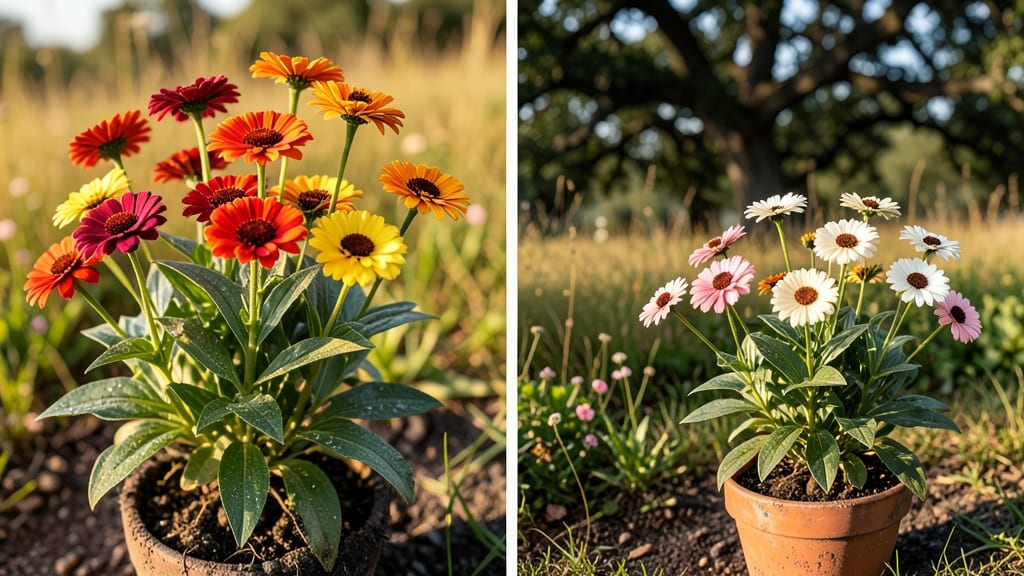
Zinnia flowers need full sun for the most vibrant blooms, but they can adapt to partial shade with the right care—though the results won’t be as bold.
Picture this: you’ve spent weeks nurturing your zinnias 🌼, only to watch them stretch toward the sky like they’re begging for more light. That leggy growth isn’t just a cosmetic issue—it’s a sign your plants are struggling to produce the bright, showy blooms you planted for.
Most zinnias crave at least 6 hours of direct sunlight daily, but if your garden is shadier, don’t toss those seeds just yet. The key lies in choosing the right varieties, adjusting your soil, and tweaking your watering routine to compensate.
With a few smart adjustments, you can still coax long-lasting blooms—even in less-than-ideal light.
In this guide, I’ll walk you through how to assess your garden’s light, pick the best zinnias for your space, and troubleshoot common issues like sparse blooms or floppy stems.
By the end, you’ll know exactly how to give your zinnias the light they crave—whether your yard is bathed in sunshine or tucked under the shade of trees.
 Best Window Placement
Zinnia sunlight requirements: how much light do they need for maximum blooms?
If you're dreaming of vibrant zinnia blooms that last from summer to frost, sunlight is your secret weapon. Zinnias are sun-worshippers, but their light needs can vary based on your local climate and variety.
Most zinnias demand 6 to 8 hours of direct sunlight daily to produce their signature bold, colorful flowers. Without enough light, you’ll end up with leggy stems and sparse blooms—something no gardener wants!
Understanding how light intensity affects zinnias is key. These flowers use sunlight to power photosynthesis, which directly impacts their bloom size, color vibrancy, and longevity.
In full sun, zinnias grow stronger stems, larger flowers, and resist diseases better. But what happens if your garden only offers partial shade? Let’s break it down.
Here’s the hard truth: Zinnias in less than 4 hours of sunlight will struggle to bloom at all. Their leaves may grow, but you’ll see fewer flowers and paler colors.
Even 6 hours of morning sun followed by afternoon shade can limit their potential. For the best results, aim for south-facing beds or containers placed in the sunniest spot of your yard.
| Light Condition | Ideal Sunlight Hours | Bloom Quality | Growth Habit |
|---|---|---|---|
| Full Sun | 6–8+ hours | Large, vibrant blooms | Strong stems, compact |
| Partial Sun | 4–6 hours | Smaller, fewer blooms | Leggy, sprawling |
| Partial Shade | 2–4 hours | Minimal blooms, pale | Weak stems, floppy |
Science backs up the importance of sunlight for zinnias. Their chlorophyll absorbs light most efficiently in blue and red wavelengths, which are abundant in direct sunlight. This process fuels floral development and pigment production, giving zinnias their iconic colors.
In shady conditions, photosynthesis slows, leading to smaller flowers and less vibrant hues. For example, a deep crimson zinnia grown in shade might turn a muddy pink.
Not all zinnias are created equal when it comes to light tolerance. Dwarf varieties like 'Thumbelina' can handle partial shade better than tall types like 'Benary’s Giant,' which demand full sun.
If you’re working with limited light, opt for shade-tolerant hybrids or container gardening near a sunny window. Even moving your zinnias to a sunnier spot midday can make a difference!
Seasonal changes also play a role. In summer’s intense heat, zinnias may need afternoon shade to prevent wilting, but they’ll still crave morning sun. Conversely, in spring or fall, when sunlight is less harsh, they can handle more direct exposure.
Pay attention to your local microclimate—a north-facing bed might need adjustments to meet their light needs.
Pro tip: Use a light meter or observe your zinnias’ leaves. If they’re stretching toward light or developing yellow lower leaves, it’s a sign they’re not getting enough sun.
Rotate your containers or relocate them to a sunnier area. Even a reflective surface, like a white wall or mulch, can redirect light to your plants.
For maximum blooms, combine proper sunlight with regular deadheading and balanced fertilization. A 5-10-10 fertilizer applied every 4–6 weeks will support their energy needs, especially in low-light conditions.
Remember, zinnias are annuals, so they’ll reward your efforts with nonstop color all season—if you give them the light they crave!
Ready to transform your garden into a zinnia paradise? Start by assessing your sun exposure and making small adjustments. Whether you’re a seasoned gardener or a beginner, these sun-loving flowers will thrive with the right care—and your garden will thank you with months of stunning blooms! 🌼☀️
Growing zinnias in shade: best varieties, adaptations, and care tips
Zinnias are famous for their bold, sun-loving blooms, but many gardeners assume they’ll fail in shadier spots. The truth?
Some varieties tolerate partial shade better than others—if you choose wisely and adjust care. Partial shade (3–6 hours of sunlight) can still produce zinnias, though expect smaller blooms and fewer stems. The secret lies in selecting shade-tolerant cultivars and tweaking your growing approach.
Most zinnias need full sun to thrive, but Benary’s Giant and Profusion series are exceptions. These varieties handle morning sun with afternoon shade better than others, making them ideal for woodland gardens or north-facing beds.
Even so, they’ll never match the vibrant, abundant blooms of sun-grown zinnias. Think of shade-grown zinnias as a compromise: fewer flowers, but still cheerful and long-lasting.
Before planting, test your garden’s light. Use a light meter app or observe your space between 10 AM and 4 PM—zinnias need at least 3 hours of direct sun daily to avoid leggy growth.
If your spot gets less than 3 hours, consider container growing near a south-facing window or reflective surface to boost light exposure.
Zinnias in Shade: Pros and Cons
-
Pros
- ✅ Extended blooming in cooler shade
- ✅ Fewer pests (like aphids) in shaded areas
- ✅ Lower water needs in partial shade
-
Cons
- ❌ Smaller blooms (3–5 inches vs. 6+ in sun)
- ❌ Leggy stems without enough light
- ❌ Fewer flowers per stem (1–2 vs. 3–5 in sun)
Tip: Pair shade zinnias with tall grasses or ferns to hide leggy stems while adding texture.
Soil plays a critical role in shade-grown zinnias. Amend your soil with compost or aged manure to improve drainage and fertility—zinnias in shade are more prone to root rot if soil stays soggy.
Aim for a slightly acidic to neutral pH (6.0–7.0) and mix in perlite or sand if your soil is clay-heavy. A well-draining, nutrient-rich mix encourages stronger stems and more blooms, even in low light.
Watering shade zinnias requires precision. Unlike sun-loving zinnias, shade varieties dry out slower, so check soil moisture before watering. Stick your finger 1 inch into the soil—if it’s dry, water deeply. Morning watering prevents fungal issues, and mulching with straw retains moisture while suppressing weeds.
Overwatering in shade is a common mistake that leads to yellowing leaves or dropping buds.
Boost your shade zinnias’ performance with companion plants that reflect light or improve soil. Try planting them near low-growing lavender (which deters pests) or marigolds (which repel nematodes). Avoid tall plants like sunflowers, which can steal light and shade your zinnias further.
For containers, pair zinnias with basil or sweet alyssum to create a lush, pollinator-friendly display.
With the right varieties, soil prep, and care, your shade zinnias can still deliver months of color, even if they’re not as dramatic as their sun-loving cousins.
Start with Benary’s Giant or Profusion, amend your soil, and watch your garden transform into a shady oasis of blooms. Just remember: patience is key—shade zinnias grow slower but reward you with long-lasting beauty.