
Watering
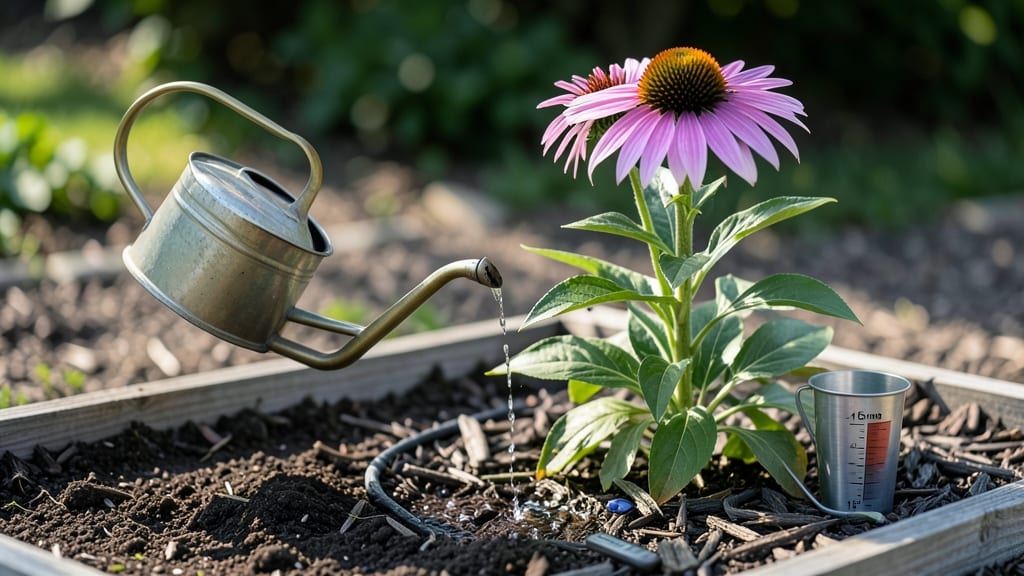
Understanding the coneflower water requirements is the key to keeping your 🌼 thriving without drowning it in care.
Struggling to keep your coneflowers thriving with minimal watering? Discover the secret drought-tolerant schedule that ensures vibrant blooms year after year—without overwatering or stressing your plants.
Coneflowers are famously low-maintenance, but even these hardy plants need the right balance of moisture to flourish. Too little water and they wilt; too much and their roots rot. The good news? Once established, they can handle dry spells like a pro.
Here’s how to water them for strong roots, long-lasting blooms, and minimal effort—season by season, from spring planting to winter dormancy.


How often to water coneflowers for optimal growth and blooming
Coneflowers (Echinacea) are prized for their drought tolerance and low-maintenance nature, but even these hardy plants need the right watering schedule to thrive. As someone who's grown coneflowers for years, I’ve learned that overwatering is just as damaging as underwatering—both can stunt growth or invite disease.
The key lies in understanding their seasonal needs and soil moisture preferences.
Newly planted coneflowers are the most sensitive, requiring consistent moisture to establish roots, while mature plants can go weeks without water in hot, dry climates. In my USDA Zone 6a garden, I’ve seen coneflowers bloom profusely with minimal irrigation once established.
Let’s break down the ideal watering frequency by season and soil type to keep your plants happy and blooming.
| Season | Watering Frequency | Depth | Signs of Stress |
|---|---|---|---|
| Spring | Weekly (1 inch) | 6-8 inches | Wilting leaves, yellowing foliage |
| Summer | Every 5-7 days (1.5 inches) | 8-10 inches | Drooping blooms, crispy edges |
| Fall | Bi-weekly (0.5 inch) | 4-6 inches | Stunted new growth |
| Winter | Monthly (light mist) | 1-2 inches | None (dormant) |
In spring, when coneflowers are breaking dormancy, aim for 1 inch of water weekly. This encourages root growth without soggy soil.
I water mine early in the morning to reduce evaporation and fungal risks. Mulch with 2-3 inches of organic material (like shredded leaves) to retain moisture and regulate soil temperature.
Summer brings the highest water demands, especially in hot, dry climates. Mature coneflowers can handle drought conditions, but during peak blooming (July-August), I increase watering to 1.5 inches every 5-7 days.
The goal is to soak the soil deeply—not just dampen the surface. Look for drooping petals or crispy leaf edges as signs your plants need hydration.
As temperatures cool in fall, reduce watering to every 2 weeks with just 0.5 inch. This helps harden off the plants for winter. Avoid watering late in the day, as wet foliage can invite powdery mildew.
In my experience, overwatering in fall leads to weak stems and poor winter survival.
Winter care is minimal. Coneflowers are drought-tolerant perennials and enter dormancy naturally.
A monthly light misting (if your region sees freezing temps) prevents desiccation, but most established plants need zero water during this season. Snow cover provides natural hydration, so check soil moisture only if you have an unusually dry winter.
Soil type plays a huge role in watering needs. Clay soil holds moisture longer, so you’ll water less frequently (every 10-14 days). Sandy soil, however, drains quickly and may need watering every 3-5 days in summer.
Amend heavy soils with compost to improve drainage, and add perlite to sandy mixes for better moisture retention.
Watch for overwatering signs like yellowing leaves, mold at the base, or stems that feel mushy. Underwatered coneflowers show wilting petals, crispy foliage, or stunted growth. Adjust your schedule based on these cues—your plants will thank you with vibrant blooms from summer through fall.
Pro tip: Use a moisture meter to check soil depth. Aim for 60% moisture in the top 6 inches during active growth. With the right balance, your coneflowers will reward you with years of low-maintenance beauty—and fewer trips to the hose! 🌼
Best watering practices for coneflowers: techniques to maximize efficiency
Mastering coneflower watering techniques is the secret to their drought-resistant reputation while keeping them vibrant. The key lies in deep watering and soil moisture balance—not just occasional sprinkles. I’ve learned that coneflowers hate soggy roots but thrive with consistent moisture at the root zone.
Your watering strategy should adapt to your soil type—whether it’s clay-heavy, sandy, or loamy. Each behaves differently, affecting how quickly water drains or evaporates.
For example, sandy soil dries out fast, while clay holds moisture too long. The goal? Moist but not waterlogged soil at all times.
🌱 Callout Tip:
Water deeply 1-2 times per week (or weekly) during active growth (spring-fall). Aim for 1-1.5 inches of water per session—enough to soak 6 inches deep into the soil. Use a soaker hose or drip irrigation to avoid wetting foliage, reducing fungal risks.
Soil-Specific Adjustments:
- Clay Soil: Water less frequently (every 10-14 days) to prevent waterlogging.
- Sandy Soil: Water more often (every 5-7 days) to compensate for rapid drainage.
- Loamy Soil: Follow the 1-2x weekly rule—it’s the Goldilocks zone!
Start with deep watering right after planting to encourage root establishment. Use your finger to check soil moisture: if the top 1-2 inches feel dry, it’s time to water. Avoid shallow sprinkles that only wet the surface—this encourages weak, shallow roots and attracts pests.
Mulching is your best friend for water efficiency. Apply 2-3 inches of organic mulch (like shredded bark or straw) around the base of your coneflowers. This retains moisture, cools roots, and suppresses weeds. Just keep mulch 2 inches away from the stem to prevent rot.
Adjust your watering schedule based on the season. In summer heat, increase frequency to every 5-7 days (or daily during droughts), but always water early morning to minimize evaporation. In fall and winter, reduce to bi-weekly or monthly—coneflowers enter dormancy and need far less water.
Watch for signs of stress: Wilting leaves or yellowing foliage often mean underwatering, while mushy stems or yellowing lower leaves signal overwatering. If your coneflowers look droopy but roots feel dry, they’re thirsty. If the soil smells musty, you’ve overdone it.
With these watering techniques, your coneflowers will reward you with bold blooms and minimal fuss. The key? Consistency, deep watering, and soil awareness. Soon, you’ll have a low-maintenance garden star that thrives even in dry spells! 🌻