
Watering
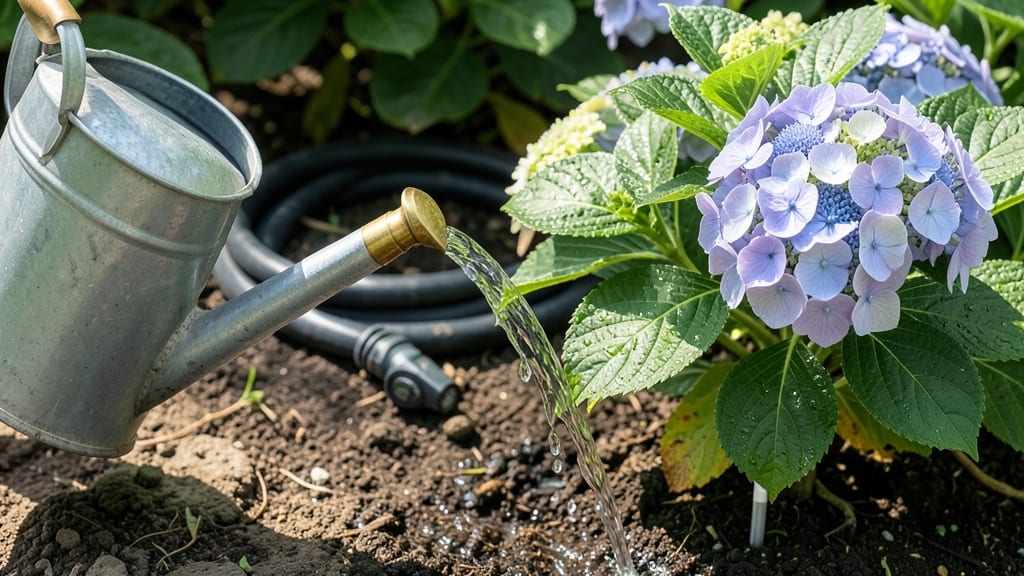
Watering flowers every day isn’t always the best move—it depends on your plants, soil, and even the weather.
Overwatering or underwatering your 🌸 can be just as damaging as neglecting sunlight, so how do you strike the right balance? The truth is, most flowers thrive on a schedule that’s more flexible than you might think.
In this guide, I’ll break down the ideal watering frequency for different types of flowers, how to tell if your plants are thirsty or drowning, and how to adjust your routine based on seasonal changes.
You’ll learn how to keep your blooms vibrant without wasting water or risking root rot—no guesswork required.


How often to water different types of flowers for optimal growth
Watering flowers isn't a one-size-fits-all task—what works for drought-tolerant succulents will drown delicate tropical orchids. The key lies in understanding each flower's natural habitat and adjusting your watering schedule accordingly. Annuals like petunias thrive with frequent moisture, while perennials such as lavender prefer dry spells between drinks.
Even the same plant's needs shift with seasons, making flexibility your best tool.
Your local climate plays a massive role too. In hot, dry regions, most flowers need watering every 2-3 days, while humid coastal areas might only require weekly top-ups.
Soil type matters just as much—sandy soil drains quickly, demanding more frequent watering, while clay soil holds moisture longer, reducing your watering frequency. Always check soil moisture 1-2 inches deep before watering.
For container-grown flowers, the rules change drastically. Potted plants dry out 2-3x faster than in-ground varieties because their roots have limited access to moisture. I recommend checking soil moisture daily in summer and watering when the top 1 inch feels dry.
A self-watering pot or moisture meter can be a game-changer here—these tools help prevent both overwatering and underwatering.
Seasonal shifts demand adjustments too. During peak summer months, most flowers need 20-30% more water than in spring or fall. I always increase my watering frequency by half when temperatures rise above 85°F (29°C).
Conversely, in winter dormancy, many perennials only need water every 2-3 weeks, or when the soil feels completely dry.
One common mistake I see is watering based on a strict daily schedule rather than the plant's actual needs. Instead of asking, "Should I water flowers every day?" focus on these three key indicators: soil moisture, leaf condition, and growth rate.
A healthy flower will have crisp petals, vibrant foliage, and steady growth. If you notice yellowing leaves or mushy stems, it's a red flag for overwatering.
Mulching is another secret weapon for efficient watering. A 2-3 inch layer of mulch (like straw or wood chips) locks in moisture, reducing evaporation by up to 50%. This means you'll water less frequently while keeping roots consistently hydrated.
Just be sure to keep mulch 2 inches away from stems to prevent rot. For heavy bloomers like roses or hydrangeas, mulch can cut watering needs by nearly half.
If you're still unsure about your specific flowers, start with the "finger test". Stick your finger 1-2 inches into the soil—if it feels dry, water deeply until moisture reaches 6 inches down.
For thirsty plants like sunflowers or zinnias, aim for 1-2 gallons per week during active growth. Meanwhile, water-thrifty varieties like sedum or yarrow might only need 1 gallon every 2 weeks.
Remember, the goal isn't to keep soil constantly wet—it's to maintain even moisture without waterlogging. Overwatering suffocates roots by cutting off oxygen, while underwatering stresses plants and invites pests.
By tailoring your approach to each flower's needs and monitoring their responses, you'll create a thriving garden that blooms beautifully year after year.
Signs your flowers need water (or too much of it)
Your flowers might be silently screaming for help—or drowning in kindness—if you ignore their subtle signals. Wilting leaves or yellowing petals are classic red flags, but the real clues lie in the soil and roots.
I’ve learned the hard way that overwatering can be just as deadly as underwatering, so let’s decode what your plants are really telling you.
Start by checking the soil moisture with your finger. Stick it about 1-2 inches deep—if it feels dry, it’s time to water. But if it’s soggy, hold off. Root rot from excess water is a silent killer, and once it starts, your flowers may never recover.
Pay attention to the leaf edges too—brown, crispy tips often mean thirst, while yellowing leaves can signal overwatering.
⚠️ callout warning ⚠️
💧 Watering Flowers Every Day? Think Again!
Most flowers don’t need daily watering—unless you’re in a heatwave or growing tropical varieties like hibiscus. Overwatering leads to root rot and fungal diseases, while underwatering causes wilting and stunted growth. Test soil moisture first: if the top 1-2 inches are dry, water deeply. If soggy, wait 2-3 more days.
✅ Do: Water in the morning to reduce evaporation and fungal risk.
❌ Don’t: Water at night or let soil stay waterlogged.
Seasonal changes throw a wrench into even the best watering routines. In summer heatwaves, your flowers might need water every 1-2 days, while spring and fall often require watering every 5-7 days. Winter dormancy means cutting back to bi-weekly watering or less, depending on your climate.
Always adjust based on rainfall too—if you’ve had 1 inch of rain, skip watering entirely.
Don’t overlook the type of flower you’re growing. Succulents and lavender thrive on drought-like conditions, while roses and hydrangeas demand consistent moisture. Even within the same plant family, water needs can vary.
For example, petunias love frequent watering, but snapdragons prefer slightly drier soil. Always check the plant tags or care guides for specifics.
Yellowing leaves aren’t always about water—sometimes it’s a nutrient deficiency or pH imbalance. But if the yellowing starts at the leaf edges or the leaves feel mushy, overwatering is likely the culprit. Prune affected leaves immediately and let the soil dry out before watering again.
For underwatered flowers, revive them with a deep soak in the morning and monitor their recovery closely.
Pro tip: Use a moisture meter or a simple DIY test—grab a handful of soil and squeeze it. If it crumbles easily, water; if it stays clumped, wait. Mulching around your flowers also helps regulate moisture, keeping roots cool in summer and preventing rapid drying.
With these tricks, you’ll never guess wrong about your flowers’ hydration needs again.