
Shrubs
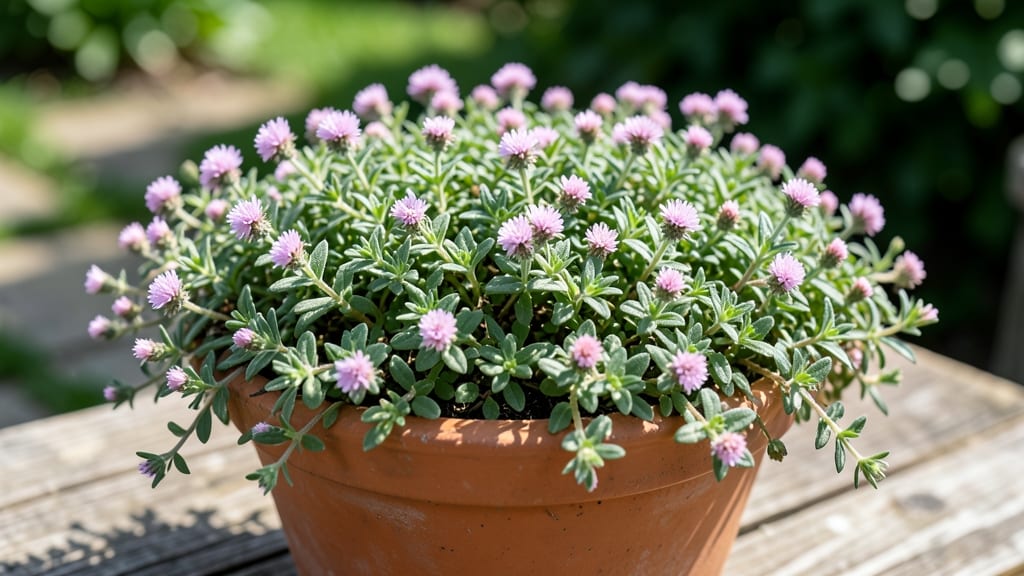
Creeping thyme blooms with vibrant purple flowers 🌿 while spreading effortlessly into a fragrant, drought-resistant ground cover that transforms any sunny garden into a low-maintenance paradise.
Picture this: a sun-drenched border where weeds struggle to take root, where bees and butterflies hover over delicate blossoms, and where the scent of crushed leaves fills the air with a fresh, herbal aroma.
That’s the magic of flowering creeping thyme—it doesn’t just survive in tough conditions; it thrives, spreading like a living carpet with minimal effort.
If you’ve ever wrestled with patchy ground cover or struggled to keep plants alive in full sun, creeping thyme is the game-changer you’ve been searching for. It’s hardy in USDA Zone 6a, requires almost no water once established, and even improves soil health over time.
The best part? You can plant it as early as March, and by June, you’ll be rewarded with a sea of tiny purple flowers that last well into August.
In this guide, I’ll walk you through everything from planting tips to pruning secrets—so you can grow a lush, blooming thyme mat that spreads like magic with almost no work. Let’s get started.
Why flowering creeping thyme is the ultimate sun-loving ground cover
If you're searching for a low-maintenance, fragrant ground cover that thrives in full sun and suppresses weeds, flowering creeping thyme is your perfect match. This hardy perennial spreads effortlessly while producing delicate purple blooms that attract pollinators.
Unlike high-maintenance lawns, creeping thyme requires minimal water and care once established, making it ideal for busy gardeners.
One of creeping thyme's standout features is its drought tolerance. Once rooted, it survives on rainwater alone in many climates, reducing your watering chores to nearly zero. Its dense mat also blocks weeds naturally, saving you hours of pulling unwanted plants.
Whether you're landscaping a rocky slope, edging a pathway, or filling gaps between stepping stones, this versatile plant delivers beauty without the hassle.
Creeping thyme's ability to thrive in hot, sunny conditions sets it apart from many ground covers. It handles USDA Zones 5-9 and even tolerates poor, sandy, or rocky soils where other plants struggle. The aromatic foliage adds a sensory bonus—just brush your hand over the leaves to release its citrusy, minty fragrance. This makes it a sensory delight in gardens and a natural pest deterrent in the landscape.
Beyond its practical benefits, creeping thyme is a pollinator magnet. The tiny purple flowers bloom from late spring through summer, providing nectar for bees and butterflies. Plant it near herbaceous borders or wildflower meadows to create a buzzing ecosystem.
Its compact height (4-6 inches) also makes it perfect for container gardens or rooftop planters where space is limited.
| Feature | Specification |
|---|---|
| Sunlight Needs | 6+ hours direct sun daily |
| Water Requirements | Drought-tolerant; water weekly until established |
| Soil Type | Well-draining; tolerates poor, rocky, or sandy soils |
| Spread Rate | 12-18 inches per year |
| Height Mature | 4-6 inches |
| Bloom Season | Late spring to summer |
| Pollinator Appeal | High (bees, butterflies, hummingbirds) |
| Weed Suppression | Excellent (dense mat blocks light) |
| Fragrance | Citrusy-minty (releases when brushed) |
Creeping thyme's adaptability makes it a favorite among gardeners with challenging sites. It thrives on slopes and hillsides where erosion is a concern, as its root system holds soil in place. In rock gardens, it cascades beautifully between stones, adding color and texture without competing for resources.
Even in urban landscapes, it survives heat islands and reflected heat from buildings, making it a resilient choice for city gardens.
Unlike invasive ground covers, creeping thyme spreads at a controlled rate, filling gaps gradually without taking over. This makes it ideal for borders and edging where you want a neat, contained look.
Prune back in early spring to encourage dense growth and more abundant blooms. The plant also handles foot traffic surprisingly well, making it perfect for pathways or patios where occasional stepping occurs.
For those who love dual-purpose plants, creeping thyme delivers both beauty and utility. While its ornamental value is undeniable, you can also harvest the leaves for culinary uses—though the flowering variety is slightly less potent than culinary thyme.
Pair it with lavender or rosemary in a border for a cohesive, aromatic display. Its evergreen foliage also provides winter interest when many other plants have gone dormant.
One of the biggest misconceptions about creeping thyme is that it requires constant pruning. In reality, it thrives with minimal maintenance. A light trim once a year keeps it tidy, and its self-spreading habit means you'll rarely need to replant.
This makes it ideal for eco-friendly gardens where reducing maintenance is a priority. Plus, its low water needs mean you'll save thousands of gallons of water annually compared to traditional lawns.
If you're ready to transform your sunniest spots into low-maintenance, pollinator-friendly areas, creeping thyme is the answer. Whether you're a beginner gardener or a seasoned pro, this versatile plant delivers beauty, fragrance, and resilience with almost no effort.
Start with a small patch and watch it spread—your garden (and pollinators) will thank you!
How to plant and maintain creeping thyme for maximum spread
Flowering creeping thyme thrives when planted correctly, and the key to its magical spread starts with well-prepared soil and the right conditions. Begin by choosing a location with full sun exposure—at least 6 hours of direct sunlight daily—to ensure vigorous growth and abundant blooms.
This hardy ground cover also loves well-draining soil, so amend heavy clay with compost or coarse sand to prevent waterlogging.
Before planting, loosen the top 6 inches of soil to improve root penetration. If your soil is nutrient-poor, mix in a light layer of compost (about 1 inch) to provide essential organic matter without overfeeding.
Creeping thyme prefers slightly alkaline soil with a pH between 6.0 and 8.0, so test your soil and adjust with lime if needed.
🌱 Pro Tip for Maximum Spread
Plant creeping thyme too close together (8-12 inches apart) to encourage rapid filling of gaps. Space plants 6-8 inches apart for a denser carpet, but 12 inches apart if you want slower, more controlled spread. After planting, water deeply to settle roots and keep soil lightly moist for the first 2-3 weeks.
Once established, creeping thyme becomes drought-tolerant, but consistent watering in the first year is crucial. Water deeply once a week during dry spells, aiming for 1 inch of water per week.
Avoid overhead watering to prevent fungal diseases, and always water at the base of the plant in the morning to reduce evaporation.
Pruning plays a vital role in encouraging dense growth and continuous blooms. After the first flush of flowers fades (usually in early summer), trim back one-third of the plant to promote bushier growth.
Use clean, sharp shears to cut just above a set of leaves, avoiding woody stems. This light pruning also prevents legginess and keeps your thyme mat looking lush.
In late summer or early fall, give your creeping thyme a second light pruning to shape it and remove any dead or yellowing foliage. This encourages new growth before winter and ensures a vibrant spring display.
Mulch around the base with straw or gravel to retain moisture, suppress weeds, and protect roots from temperature fluctuations.
With these simple steps—proper spacing, adequate sunlight, light feeding, and strategic pruning—your creeping thyme will spread effortlessly into a fragrant, blooming carpet that requires almost no maintenance. The best part? It’ll reward you with years of beauty and fragrance with minimal effort. 🌸